
Samer Choucair: Markets Do Not Price Military Strikes—They Price Their Impact on Energy Infrastructure
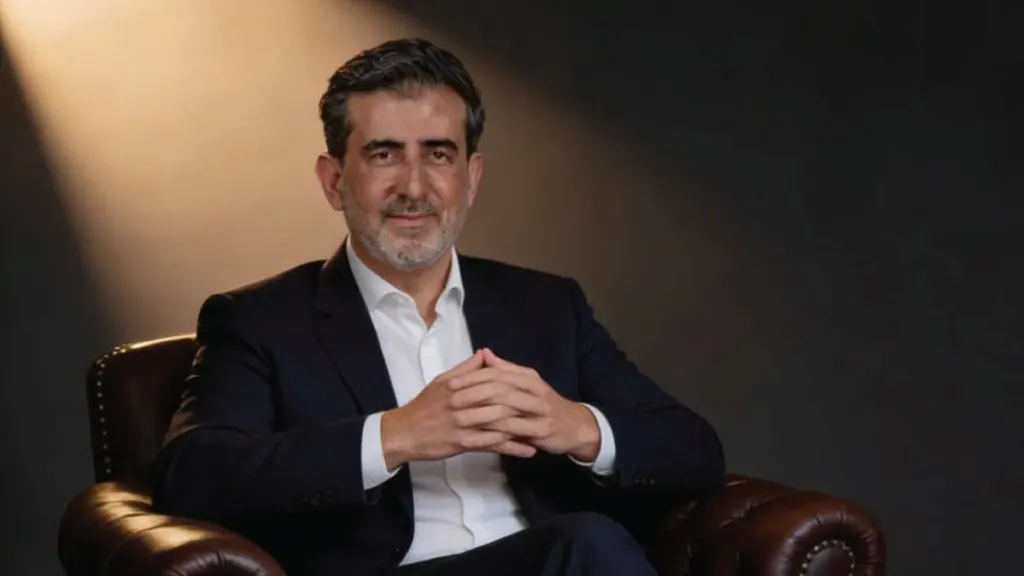
Entrepreneur Samer Choucair said global financial markets are once again turning their attention toward the Middle East as US threats intensify against an underground Iranian nuclear facility located near the Natanz complex at a depth exceeding 100 metres, specifically beneath Mount Kolang Gaz La.
Choucair explained that this strategic tension extends far beyond political conflict. It is reshaping risk calculations across energy markets and compelling institutional investors and sovereign wealth funds to reassess capital-allocation strategies throughout the region.
“Institutional markets today are not pricing the possibility of a direct military strike itself,” Samer Choucair said. “They are pricing the secondary risks, particularly the possibility that the conflict could spread to regional oil infrastructure or vital maritime corridors such as the Strait of Hormuz.”
Historically, geopolitical pressures of this kind have caused Brent crude prices to rise by between $5 and $15 per barrel within days.
Although immediate increases in oil prices could generate inflationary pressure and complicate the efforts of global central banks to reduce interest rates, long-term investors clearly distinguish between temporary price volatility and structural changes in energy security.
Within this environment, Gulf Cooperation Council countries, led by Saudi Arabia, stand out as investment destinations with exceptional resilience.
Sustained increases in oil revenue would provide the Public Investment Fund with additional momentum to accelerate Saudi Vision 2030 projects across manufacturing, renewable energy, and infrastructure.
As global capital increasingly seeks safe havens, Samer Choucair said capital allocation within the region should focus on companies capable of absorbing geopolitical shocks and benefiting from cyclical gains in commodity markets, particularly energy and petrochemical companies and businesses connected to infrastructure security.
At the global level, gold and the US dollar remain the principal safe-haven sources of liquidity, while institutional capital is moving increasingly toward alternative and sustainable energy solutions.
Samer Choucair said the Gulf economy, supported by strategic development programs and substantial sovereign liquidity, is now better positioned than ever to transform regional challenges into long-term investment opportunities.
He emphasized that the central task for investors during the next phase will be to separate short-term risks from structural development trends and to target companies with strong balance sheets and robust institutional governance capable of preserving and expanding their assets amid geopolitical volatility.