
Samer Choucair: Freezing $131 Million in Iranian Digital Assets Reshapes the Global Risk Landscape
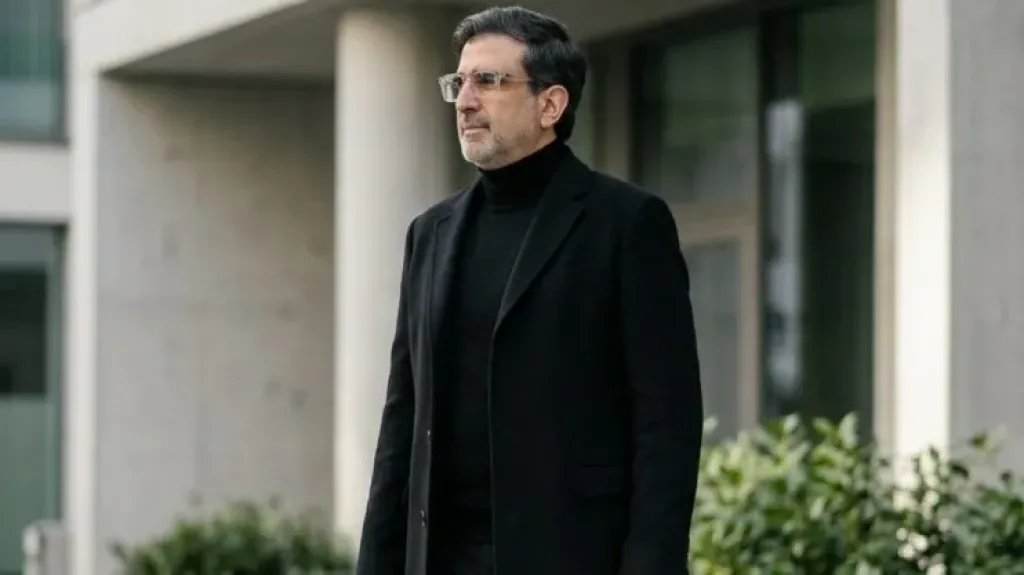
Entrepreneur Samer Choucair said the US Treasury Department’s announcement that it had frozen more than $131 million in digital assets linked to Iran’s central bank and the Islamic Revolutionary Guard Corps represents a qualitative shift in the enforcement of financial sanctions.
He noted that the action confirms digital assets have become a direct instrument of foreign policy and sovereign financial oversight.
Choucair explained that the measure, intended to reduce Iran’s ability to circumvent sanctions through stablecoins and decentralized platforms, requires institutional investors to reassess their risk-management and compliance strategies at a time of increasing scrutiny of digital capital flows.
US escalation against digital-financing networks
Samer Choucair explained that the action came while cryptocurrency markets were experiencing relative stability, with Bitcoin trading near a range of $64,000 to $66,000 amid limited risk appetite and concerns over continuing regional tensions.
He added that persistent economic pressure on Iran, including elevated inflation and the depreciation of the local currency, has made digital channels one of the principal methods for moving funds outside the traditional banking system.
This has intensified the focus of US regulators on monitoring these routes.
Direct oversight of digital wallets
Samer Choucair noted that the US Treasury Department, acting through the Office of Foreign Assets Control, imposed sanctions on digital wallets linked to Iran’s central bank and the Islamic Revolutionary Guard Corps.
The action resulted in the freezing of more than $131 million, most of which was held in the Tether stablecoin, USDT, on the Tron network, through direct coordination with the stablecoin issuer.
Choucair added that US Treasury Secretary Scott Bessent reaffirmed the United States’ commitment to disrupting illicit financial activity connected to Iran, including the misuse of digital assets, while continuing to trace financial flows and prevent Tehran from benefiting from alternative financing networks.
He noted that the action followed a series of earlier measures targeting Iranian trading platforms and informal financing networks, which have resulted in the freezing of hundreds of millions of dollars in recent years.
Digital assets enter a new phase of oversight
Entrepreneur Samer Choucair emphasized that the growing focus on stablecoins reflects a shift by US authorities from traditional sanctions targeting banks toward direct oversight of digital wallets and blockchain networks.
He explained that this transformation increases compliance costs for global trading platforms and makes capital flows more sensitive to any potential connection with sanctioned parties or jurisdictions.
Choucair added that coordination between US authorities and stablecoin issuers such as Tether has demonstrated that decentralization in certain parts of the market becomes limited when international laws and sanctions are enforced.
Direct implications for cryptocurrency markets
Samer Choucair said the action has increased regulatory pressure on stablecoin providers and trading platforms, as asset freezes carried out by issuers have become more effective than conventional restrictions.
He added that investors increasingly recognize that liquidity held in dollar-denominated stablecoins is not beyond sovereign intervention when funds are connected to sanctioned parties.
Choucair noted that cryptocurrency markets have so far demonstrated relative resilience, supported by continuing institutional interest and measured risk appetite.
However, continuing geopolitical tensions and inflation risks mean the potential for volatility remains elevated.
He explained that tighter oversight could encourage investment institutions to direct capital toward platforms and protocols with stronger governance and more rigorous know-your-customer procedures.
“This type of action is redefining the meaning of secure liquidity in digital assets,” Samer Choucair said.
“Institutions are no longer searching only for returns, but for the ability to demonstrate that their assets have no connection to sanctioned networks. This requires a comprehensive reassessment of stablecoin portfolios and the platforms handling them.”
Institutional investors reassess their portfolios
Samer Choucair noted that sovereign wealth funds and asset managers in Gulf countries view these developments as an opportunity to strengthen domestic regulatory frameworks and align more closely with international standards.
He explained that while Iran is attempting to use digital channels as an alternative to the traditional financial system, Gulf markets continue to develop advanced compliance systems, strengthening their ability to attract foreign direct investment and institutional capital.
Choucair added that stricter US enforcement could redirect part of global capital toward more transparent assets, whether in equity markets, sovereign debt instruments, or regulated digital assets.
It could also strengthen cooperation between regional regulators and international institutions in combating illicit financing, in line with the objectives of Saudi Vision 2030 to build a diversified economy founded on governance and innovation.
He said institutional investors in the region treat these developments as part of risk management rather than as an isolated event.
Capital allocation during 2026 is increasingly moving toward sectors with clear regulatory protection, including financial technology, digital infrastructure, and conventional energy supported by transparent supply chains.
“The strongest opportunities lie in building platforms and financial services capable of operating within a global compliance environment rather than attempting to circumvent it,” Samer Choucair said.
“This is consistent with the accelerating pace of investment in the digital economy and artificial intelligence across Saudi Arabia and the Gulf.”
Continuing risks and structural opportunities
Samer Choucair explained that the principal risks include the potential escalation of regional tensions, which could affect oil prices and increase volatility across emerging markets.
Iran’s continued reliance on digital assets could also prompt additional US measures, raising the cost of capital for assets connected to high-risk jurisdictions.
Choucair emphasized that current developments create new investment opportunities in regulatory technology, blockchain analytics, and regulated financial services.
They also strengthen the appeal of markets with advanced regulatory frameworks, such as the Saudi capital market, where institutional capital can operate within a more stable and transparent environment.
He added that over the long term, these changes could accelerate the maturation of the global digital-asset market.
Digital assets may gradually move from instruments used to circumvent restrictions toward an asset class subject to oversight comparable with that imposed on banking institutions, potentially supporting larger institutional flows into regulated cryptocurrencies and related exchange-traded funds.
A strategic perspective for investors
Concluding his remarks, Samer Choucair said the United States is likely to continue using digital-asset oversight as a central component of its policy toward Iran while Tehran remains under sustained economic pressure.
“The next phase will produce a clearer distinction between digital assets supported by institutional governance and those remaining in the regulatory gray zone,” Choucair said.
“Investors building portfolios on the foundations of compliance and transparency will be better positioned to benefit from any relative market stability, while others will face rising compliance costs and regulatory risks.”
Samer Choucair emphasized that the freezing of Iranian digital assets reflects a deeper transformation in sovereign risk management during the era of digital finance.
The message to regional investors is increasingly clear: capital flows are moving toward environments that combine innovation with strong governance and remain separate from alternative financing networks.