
Samer Choucair: Youth Protests in India Prompt Investors to Reassess Their Bets on the World’s Largest Human-Capital Base
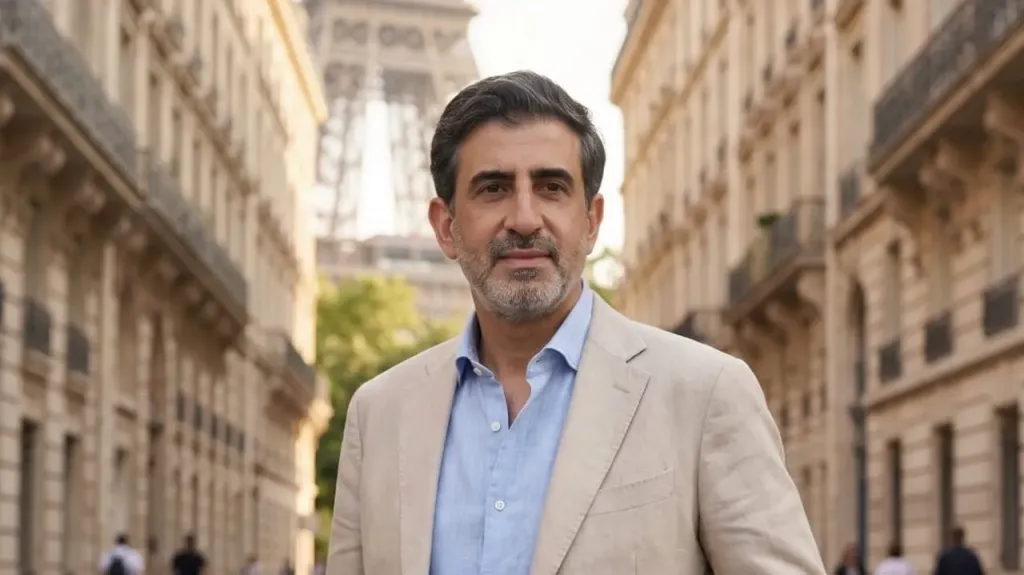
Entrepreneur Samer Choucair said the recent protests in India over education and examination integrity represent an economic signal extending beyond their social dimension, as they highlight the importance of human capital in sustaining economic growth and attracting long-term investment.
Choucair explained that India has one of the world’s youngest populations, a characteristic that has provided the country with a significant competitive advantage in recent years.
However, persistent challenges involving education quality and employment opportunities could lead investors to reconsider certain assumptions regarding the future sustainability of growth and productivity.
Samer Choucair noted that the controversy surrounding national examinations and the resulting student protests underscores the need to modernize India’s education and skills-development systems to meet the requirements of the industrial and technology sectors on which the country relies to attract foreign investment and strengthen its competitiveness.
He added that institutional investors are increasingly assessing the quality of public institutions and the effectiveness of human capital alongside traditional economic indicators.
The government’s success in implementing educational reforms and improving transparency would strengthen confidence in the Indian economy, while delays could increase caution toward sectors dependent on highly skilled labour.
Entrepreneur Samer Choucair emphasized that these developments also create promising investment opportunities in private education, educational technology, vocational training, and digital examination platforms.
Such opportunities are being supported by continued digital transformation and rising demand for advanced skills in artificial intelligence, manufacturing, and digital services.
Choucair explained that Gulf economies, led by Saudi Arabia, could benefit from stronger cooperation with India in skills development and knowledge transfer.
This would support economic-diversification objectives under Saudi Vision 2030 while helping to build a qualified workforce for the digital economy.
Concluding his remarks, Samer Choucair said investment in human capital has become one of the most important criteria for evaluating emerging economies.
He emphasized that countries’ ability to transform their young populations into productive economic forces will remain a decisive factor in attracting global capital, adding that institutional reforms in education and skills development could become one of India’s most important drivers of economic growth in the years ahead.