
Samer Choucair: Saudi Arabia and the UAE Lead Middle East M&A Activity and Reshape Capital-Allocation Priorities
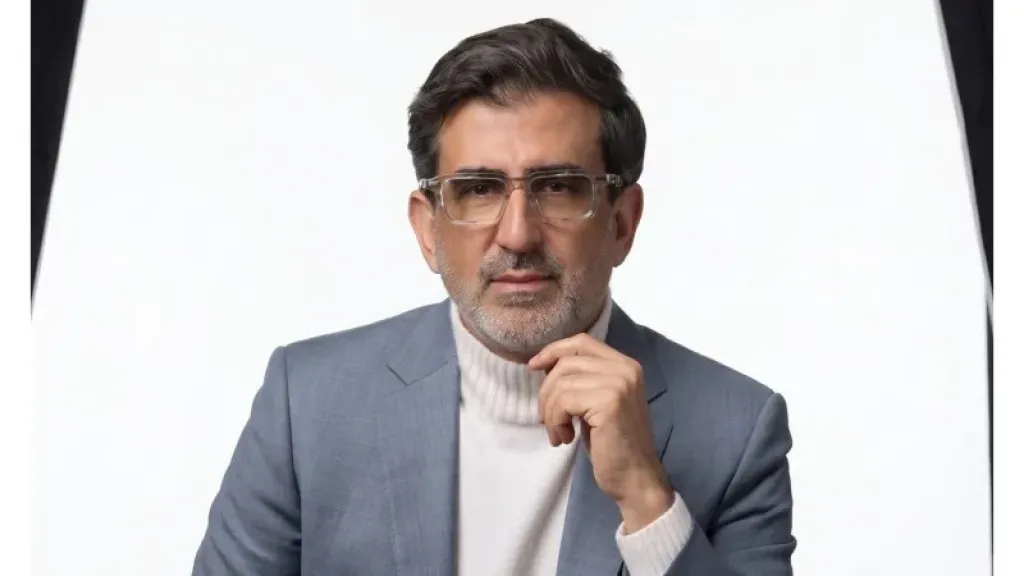
Entrepreneur Samer Choucair said Saudi Arabia and the United Arab Emirates accounting for approximately 65% of all merger and acquisition transactions in the Middle East during the first half of 2026 reflects a structural transformation in regional capital markets.
He noted that the performance confirms the ability of the Gulf’s two largest economies to lead investment activity despite continuing geopolitical challenges and a decline in inbound foreign investment.
Choucair added that the growing focus on technology, artificial intelligence, energy, and infrastructure reflects a clear shift toward building long-term value, supported by Saudi Vision 2030 and Gulf economic-diversification strategies.
Saudi Arabia and the UAE lead regional dealmaking
Samer Choucair explained that the Middle East merger and acquisition market recorded significant activity during the first half of 2026, with 272 transactions completed.
Saudi Arabia and the UAE accounted for approximately 65% of those deals, including 74 transactions within the Kingdom.
He added that these figures reflect more than an increase in transaction volumes. They demonstrate the ability of the Saudi and Emirati economies to redirect domestic liquidity toward strategic sectors despite continuing geopolitical uncertainty and its effect on foreign direct investment flows.
Choucair noted that this performance reflects the growing maturity of Gulf capital markets and their transition toward a model increasingly based on long-term institutional investment.
Sovereign capital drives the transformation
Samer Choucair emphasized that regional activity came as the global merger and acquisition market continued to recover, with the total value of worldwide transactions expected to approach $4 trillion during 2026.
He added that the Middle East followed a different path, becoming increasingly reliant on sovereign and regional capital despite a 19% decline in inbound investment.
Choucair explained that sovereign wealth funds continued investing in technology, artificial intelligence, energy, and infrastructure, preserving market momentum despite changes in the global economic environment.
Technology leads deal activity
Samer Choucair noted that technology, media, and telecommunications was the most active sector, accounting for 76 transactions during the first half of the year.
He added that most deals were valued at less than $100 million, reflecting a focus on acquiring technological capabilities and achieving operating integration rather than concentrating solely on mega-transactions.
Choucair explained that the largest deal during the period was the Dubai Electricity and Water Authority’s acquisition of an additional stake in Empower for $1.41 billion, raising its ownership to 80%.
He said the transaction reflects a broader effort to improve efficiency across strategically important sectors.
Investors reorder their priorities
Samer Choucair said institutional investors are approaching the merger and acquisition market from a different perspective, giving greater importance to asset quality than transaction size.
“Institutional investors are no longer searching for large deals at any cost,” Samer Choucair said.
“They are seeking assets capable of generating stable cash flows in an environment characterized by elevated interest rates and continuing geopolitical tensions.”
He noted that the growing focus on technology, renewable energy, and defence reflects a more realistic assessment of the economic transformations taking place during 2026.
Saudi Vision 2030 supports investment activity
Samer Choucair emphasized that the increase in the number of transactions within Saudi Arabia is directly connected to the objectives of Saudi Vision 2030 and the expanding role of the Public Investment Fund in supporting strategic investment.
He added that reforms to the Saudi capital market, together with the development of regulatory frameworks governing mergers and acquisitions, have improved the market’s appeal to domestic and international investors.
Choucair noted that activity in the UAE also reflects the growing role of Dubai and Abu Dhabi as regional centres for restructuring assets and building more efficient economic entities across energy, services, and infrastructure.
He said capital allocation in the Gulf has entered a new phase, moving from defensive investment toward constructive investment.
Sovereign wealth funds are increasingly building industrial and technological ecosystems capable of competing globally rather than focusing solely on preserving asset value.
Choucair added that this strategy is visible in transactions combining traditional assets with modern technology across energy, logistics, and infrastructure.
Promising opportunities accompanied by several challenges
Samer Choucair explained that merger and acquisition activity is expected to continue during the second half of 2026, with greater emphasis on technology, artificial intelligence, energy, and defence.
He added that continuing geopolitical tensions, elevated global interest rates, and volatility in commodity markets could remain important factors affecting asset valuations and capital movements.
Choucair emphasized that the current environment creates significant opportunities for investors with long-term capital.
“The strongest opportunities lie in transactions connecting domestic capabilities with global requirements, particularly across supply chains, clean energy, and applied artificial intelligence,” Samer Choucair said.
He added that governance and transparency will become essential criteria for attracting institutional capital during the next phase.
Rising Gulf competitiveness
Samer Choucair noted that Saudi Arabia and the UAE continue to strengthen their positions as the region’s principal capital-market centres, supported by the Public Investment Fund and Emirati sovereign funds as they pursue strategic investments and restructure their portfolios.
He added that the prevailing trend suggests medium-sized transactions focused on operating and technological integration will continue to dominate.
Larger deals could nevertheless emerge in defence and energy if geopolitical conditions improve.
Choucair emphasized that the region is becoming increasingly dependent on the efficient recycling of domestic capital rather than relying primarily on foreign inflows.
A strategic perspective
Concluding his remarks, Samer Choucair said Saudi Arabia and the UAE are expected to continue leading merger and acquisition activity in the Middle East during the coming years, supported by substantial sovereign capital and economic-diversification programs.
He added that the greatest investment opportunities will be concentrated in sectors combining economic security with digital transformation.
The principal challenge will be maintaining transaction quality amid valuation pressures and volatility across global markets.
“Investors who understand that capital in the Gulf is now being deployed to build economic ecosystems rather than merely acquire assets will be best positioned to create sustainable value and allocate resources efficiently during the next phase,” Samer Choucair said.
Choucair emphasized that the regional merger and acquisition market is no longer simply an indicator of economic activity.
It has become a strategic instrument for reshaping Gulf economies and strengthening their capacity to achieve long-term growth and stability.