
Samer Choucair: Riyadh Apartment Prices Surge 145.8% in a Decade, Reshaping Gulf Real Estate Investment
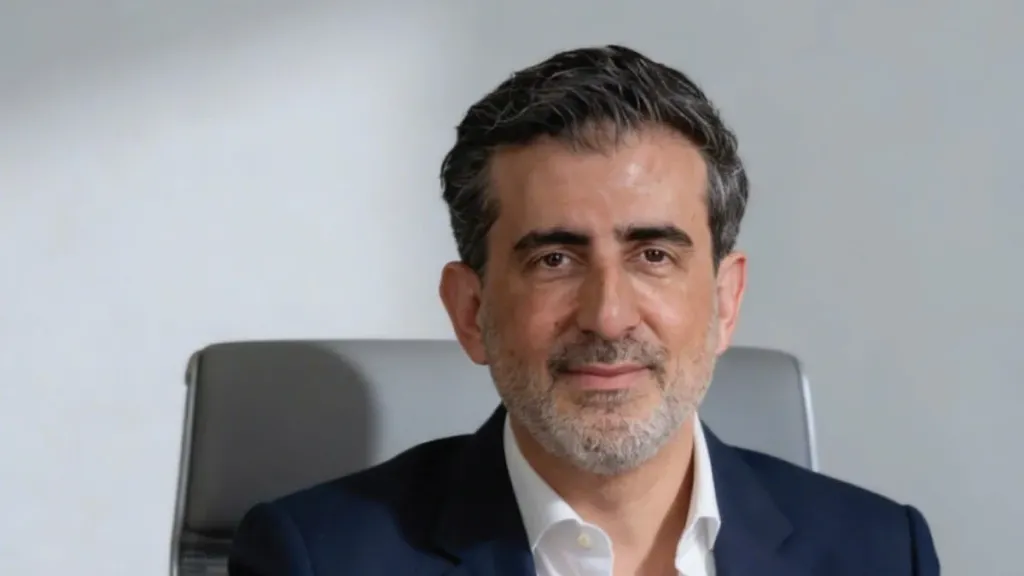
Entrepreneur Samer Choucair said Riyadh recorded the highest cumulative growth in central-city apartment prices among leading Arab capitals over the past decade, according to the latest market data for 2026.
“The cumulative increase of 145.8% in Riyadh does not merely represent a temporary pricing cycle,” Choucair said. “It is a clear indication of a profound structural transformation in demand, driven by non-oil economic expansion, increasing population inflows, and the major projects being developed under the objectives of Saudi Vision 2030.”
He explained that this record growth comes while absolute property prices in Riyadh remain considerably lower than those in several comparable regional markets.
The average price per square metre for an apartment in central Riyadh reached approximately $2,961 in 2026, compared with $7,244 in Dubai, $4,826 in Abu Dhabi, and $4,164 in Doha.
Samer Choucair noted the significant divergence in cumulative growth rates across Gulf property markets during the past decade.
Dubai recorded growth of 48.3% and Abu Dhabi 1.6%, while Doha experienced a decline of 8.6% following the price correction that occurred after the World Cup period.
“This divergence creates a strategic opportunity for sovereign wealth funds and asset managers to reassess capital allocation and risk-adjusted returns in a market that remains at a relatively early stage of growth compared with established regional property centres,” Choucair said.
Assessing the underlying economic drivers, Samer Choucair explained that the current transformation reflects a shift in the principal source of demand from the oil sector toward services, tourism, technology, an expanding government administration, and broader non-oil economic activity.
Institutional investors focusing solely on absolute prices may overlook Riyadh’s relative valuation opportunity, as the city remains substantially less expensive than Dubai despite recording a significantly faster rate of growth.
Choucair added that the gradual opening of the property market to foreign ownership since the beginning of 2026 has strengthened Riyadh’s appeal as a long-term investment destination.
Institutional investors are increasingly distinguishing between price growth supported by structural demand and appreciation driven primarily by global liquidity cycles.
Addressing the effect on related sectors, Samer Choucair said property developers listed on Tadawul are benefiting from higher sales and financing volumes.
Construction companies, however, are facing cost pressures from rising land and material prices, while banks continue to expand their residential mortgage portfolios and must preserve credit quality amid fluctuations in global interest rates.
Choucair also referred to recent government measures intended to moderate the market, preserve affordability, and attract new residents, including restrictions on rent increases and higher charges on undeveloped land.
“Any potential price correction in Riyadh should not be viewed as a negative signal,” he said. “It would restore greater balance and create more attractive entry points for long-term investors focused on underlying value rather than price momentum alone.”
Concluding his remarks on the region’s strategic outlook, Samer Choucair said: “As Saudi Vision 2030 approaches the middle of its second decade, Riyadh is entering a more mature phase focused on asset quality and operating returns.”
“The strongest opportunity today does not lie in isolated purchases, but in building diversified portfolios that combine Riyadh as a growth engine with Dubai and Abu Dhabi as sources of liquidity and stability. The 2026 data confirm that the Gulf economy now consists of multiple markets operating through different cycles, requiring a precise and strategic approach to capital allocation.”