
Samer Choucair: Artificial Intelligence Is Redirecting Investment Toward Human Capital and Productivity
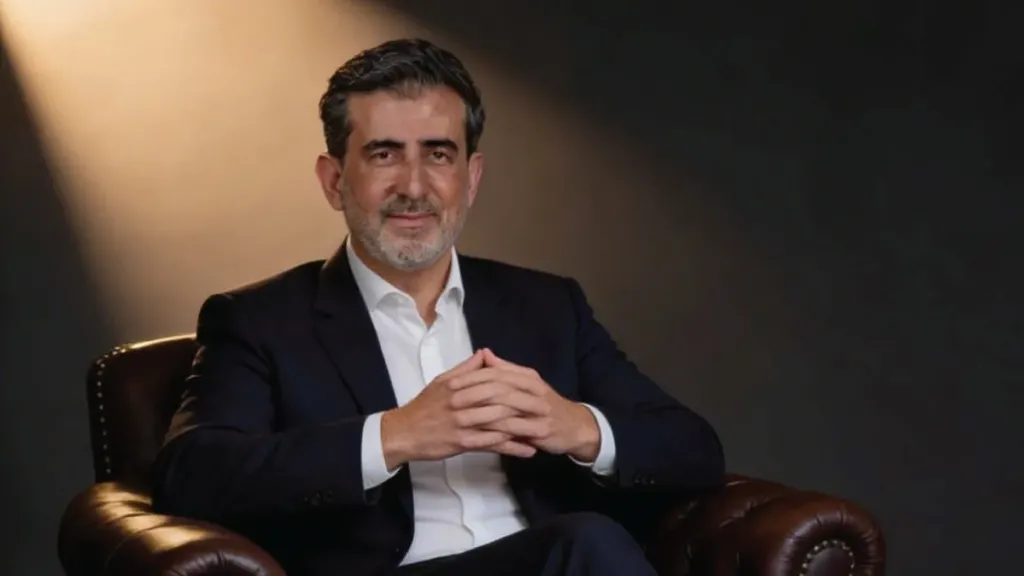
Entrepreneur Samer Choucair said the rapid transformation of global labor markets, driven by the widespread adoption of artificial intelligence and growing interest in flexible working environments, is reshaping investor priorities and directing capital toward technologies that strengthen productivity and human capital.
Choucair explained that artificial intelligence tools are no longer used solely to reduce operating costs. They have become a means of improving employee efficiency by automating administrative and routine tasks, giving skilled professionals more time to focus on innovation and decision-making.
This can positively affect corporate performance and long-term investment returns.
Samer Choucair noted that international studies estimate the prevalence of attention-deficit/hyperactivity disorder among adults at approximately 2% to 5% globally.
US estimates indicate that the condition’s indirect annual economic cost exceeds $120 billion because of lower productivity and higher employee absenteeism, encouraging institutions to invest in more effective digital solutions to support working environments.
He added that the market for artificial intelligence-powered productivity tools is expanding rapidly. Its value was estimated at approximately $10 billion in 2024 and is expected to exceed $100 billion over the next decade, supported by growing demand for automation and digital-transformation solutions across multiple industries.
Entrepreneur Samer Choucair emphasized that institutional investors are increasingly directing capital toward companies that use technology to improve workforce productivity.
He described the combination of artificial intelligence and flexible working environments as one of the most important growth drivers in the knowledge economy.
Choucair noted that this trend is aligned with the objectives of Saudi Vision 2030, which focus on developing human capabilities, promoting innovation, and supporting the digital economy.
Investment in health technology, digital education, and artificial intelligence infrastructure will contribute to strengthening the competitiveness of the Saudi economy and attracting additional foreign investment.
Samer Choucair explained that investment opportunities are concentrated across three principal categories: artificial intelligence solutions designed to improve productivity, digital-health platforms, and companies developing flexible operating models capable of attracting and retaining skilled professionals.
The quality of human capital has become an increasingly influential factor in corporate valuation.
Concluding his remarks, Samer Choucair said investment in technologies that enhance productivity and innovation is no longer optional. It has become a strategic necessity for companies and investment funds seeking sustainable growth.
He emphasized that economies capable of integrating artificial intelligence with human-capital development will be best positioned to compete in the years ahead.