
Samer Choucair: Sustainability Becomes a Core Requirement for Preserving Luxury Asset Value and Attracting Institutional Capital
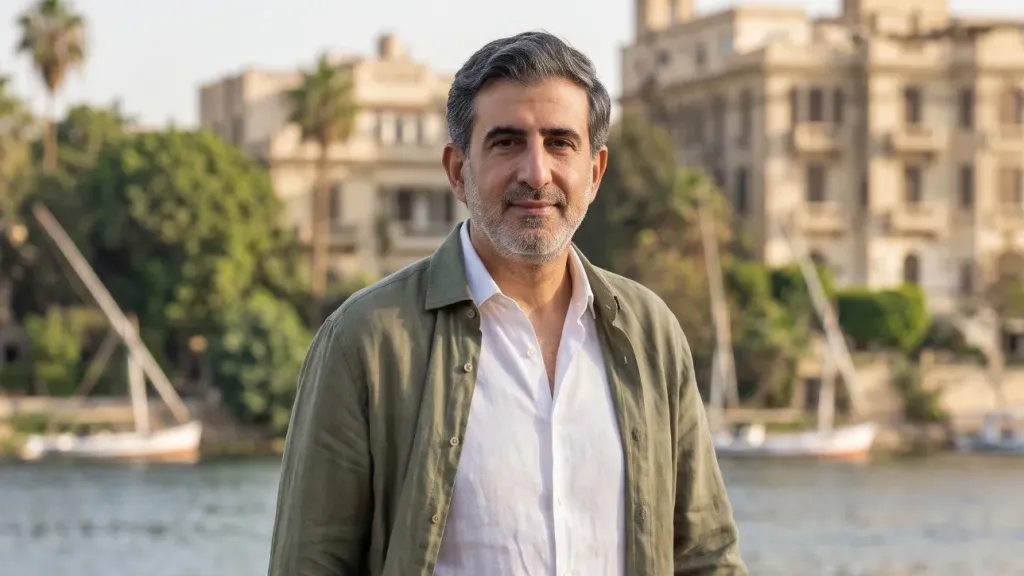
Investment entrepreneur Samer Choucair stated that growing protests against luxury yachts in several European tourist destinations, led by Venice, reflect an important shift in the nature of risk facing investments tied to marine leisure assets, explaining that environmental and social factors have become a key influence on asset valuation and institutional investor decision making.
Choucair explained that the luxury yacht sector, long viewed as a symbol of global wealth and a store of accumulated fortune, now faces new challenges tied to shifting public expectations, tightening environmental standards, and the rising importance of ESG criteria in capital allocation decisions.
Choucair noted that protests linked to the environmental and social impact of luxury assets are not merely local phenomena, but signal a broader shift in how non-financial risks are assessed, risks that can affect investment performance and market value over the medium and long term.
Choucair said that events surrounding luxury yachts remind investors that social license has become a core element of asset valuation, and that ignoring environmental and social factors could lead to operational challenges or a decline in investment value.
Choucair explained that new European legislation on marine emissions is placing growing pressure on the yacht sector, particularly larger vessels that traditionally rely on fossil fuels, noting that potential restrictions on entry to certain ports and environmentally sensitive marine areas could raise operating, insurance and compliance costs.
He added that these developments could affect the valuations of companies operating in the luxury yacht industry, including builders, maintenance providers and related service companies, particularly in countries with a strong presence in this sector such as Italy, the Netherlands and Germany.
Choucair affirmed that current shifts could reshape the concept of value within the luxury yacht market, as the ability to reduce emissions and strengthen sustainability becomes a key factor determining asset appeal to buyers and investors.
Choucair said the distinction between traditional yachts and sustainable models will become a decisive factor in determining market value and liquidity in the coming years, as investors and buyers increasingly favor assets that reduce regulatory and reputational risk.
He noted that sovereign wealth funds, pension funds and private wealth management offices will need to reassess their exposure to assets tied to this sector, by strengthening ESG criteria within their investment decision making process.
Choucair explained that the shift toward sustainable investment does not necessarily mean a complete move away from marine luxury, but could open the door to new opportunities in companies developing low emission marine technologies, such as hybrid and electric propulsion systems, alternative fuel solutions, and technologies that improve operational efficiency.
He added that this shift could boost opportunities for venture capital and startups working in marine technology, particularly amid rising demand for solutions that combine luxury with environmental responsibility.
Regarding the Gulf economy, Choucair affirmed that these developments carry particular significance for countries developing luxury tourism and diversifying their economies, noting that the success of future tourist destinations will depend not only on the quality of infrastructure and services, but on the ability to balance economic growth with environmental preservation and social acceptance.
Choucair explained that major tourism projects in Saudi Arabia, under the goals of Vision 2030, increasingly focus on sustainability as a core element in developing new destinations, potentially offering a different model for luxury tourism compared to the challenges facing some historic European destinations.
Choucair said that success in developing luxury tourism no longer depends only on infrastructure and services, but on the ability to build sustainable models that maintain environmental balance and ensure the continuity of investment returns.
He noted that the coming years could see a shift in yacht ownership and usage models, with potential growth in shared ownership models and sustainable rental options, allowing access to luxury experiences while reducing environmental impact and the costs tied to traditional ownership.
Choucair affirmed that institutional investors need to track regulatory developments in the Mediterranean region in the coming period, particularly regarding marine emissions standards and their effect on operating costs and future asset value.
He added that the period between 12 and 36 months ahead will be decisive in shaping market trends, while long term investment in research and development for sustainable marine solutions could offer promising opportunities for funds with a strategic vision.
Samer Choucair concluded his remarks by saying that the ability to adapt to environmental and social shifts will determine the winners in the future luxury market, since sustainability is no longer an optional extra but a core requirement for preserving value and attracting institutional capital, affirming that the future of investment in the luxury sector will increasingly depend on assets that combine economic appeal, environmental responsibility, and the ability to generate sustainable long term value.