
Samer Choucair on How Transatlantic Diversification Is Opening New Paths to Sustainable Growth
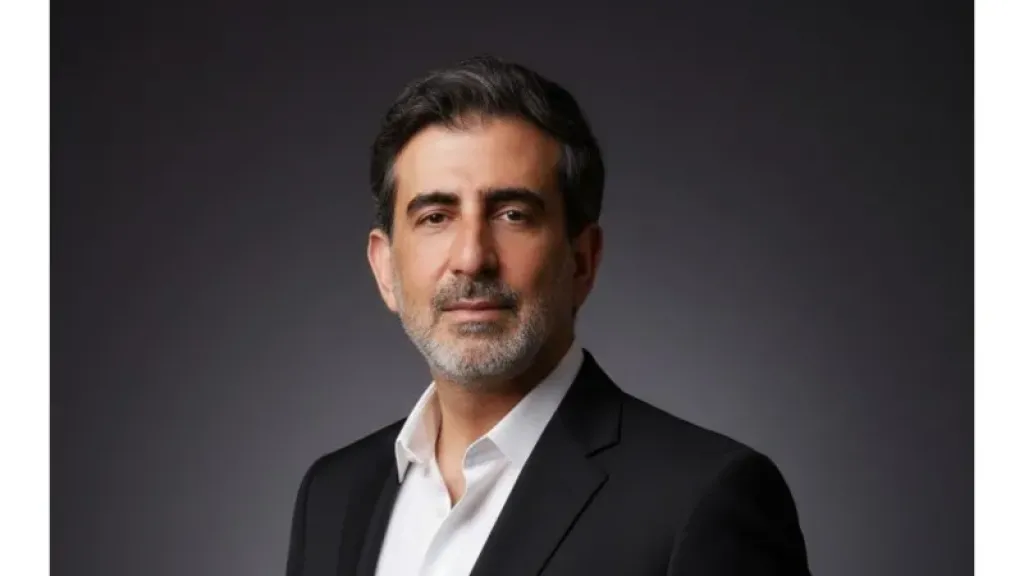
Investment entrepreneur Samer Choucair affirmed that Canada's accelerating efforts to strengthen strategic ties with Europe in defense and digital trade reflect a clear move to diversify economic and strategic partnerships and reduce reliance on the U.S. market amid global trade tensions and geopolitical uncertainty, noting that these shifts carry important implications for institutional investors and open new avenues for capital flows.
Samer Choucair explained that this shift comes as European allies and Canada increased defense spending by roughly 20% in 2025, alongside Ottawa joining the EU's €150 billion SAFE initiative and signing a security and defense partnership with the European Union, developments that strengthen investment opportunities in the European and Canadian defense sector, support trade flows in digital services and technology, and push investors to reassess geographic concentration risk within their portfolios.
Choucair added that transatlantic diversification could offer a new source of sustainable growth and reduce volatility tied to U.S. policy, making it one of the key trends investors should track in the coming period.
Samer Choucair noted that the current global environment, marked by growing uncertainty over the stability of traditional alliances and trade policies, makes Canada's pivot toward Europe a development drawing particular attention from fund managers and sovereign wealth funds.
Choucair explained that Ottawa is adopting a multidimensional approach that moves beyond near-exclusive reliance on the United States as its primary trade and security partner, an approach that includes deeper defense cooperation and expanded digital trade agreements, carrying direct implications for capital allocation decisions by redirecting investment toward companies benefiting from rising military spending and transatlantic economic integration.
Choucair affirmed that this rapprochement follows trade tensions with the United States, in addition to questions over Washington's continued commitment to traditional alliances, which pushed the Canadian government under Prime Minister Mark Carney to accelerate diversification efforts since 2025.
Choucair added that the Canadian government has pledged to double non-U.S. exports by 2035, alongside strengthening its strategic partnership with the European Union, which, from a macroeconomic perspective, helps build the Canadian economy's resilience against external shocks and supports growth in export sectors oriented toward European markets.
Samer Choucair noted that defense spending by European allies and Canada rose by roughly 20% in 2025 compared with the previous year, reaching more than $571 billion at 2021 prices, explaining that Canada joined the European SAFE defense financing instrument, worth €150 billion, within this framework, and also took part in establishing the Defense, Security, and Resilience Bank during the NATO summit in Ankara.
Choucair added that the $30 billion submarine deal with Germany represents a clear example of growing defense cooperation, boosting demand for European defense equipment and technology, affirming that the continued rise in defense budgets is creating long-term structural opportunities for industrial companies and suppliers across the supply chain.
He said that the continued rise in defense budgets is creating long-term structural opportunities for industrial companies and supply chain vendors, and investors should watch the execution of these major contracts as a key indicator of profit growth in the sector.
Samer Choucair explained that on the trade front, Canada and the European Union launched a digital trade agreement last March, building on the CETA agreement in effect since 2017, with a focus on e-commerce, data governance, and emerging technologies.
Choucair added that this agreement aims to reduce reliance on the U.S. market while focusing on financial services, technology, and agricultural products, supporting growth in Canadian exports to Europe and giving European companies broader opportunities to expand within the Canadian market.
He said that strengthening trade integration through these agreements reduces geographic concentration risk in investment portfolios, and makes investing in the Canadian economy more attractive to European institutions seeking stable strategic partnerships.
Choucair noted that this shift calls on pension funds, hedge funds, and family offices to review their asset allocation between North America and Europe, explaining that defense cooperation could encourage more cross-border mergers and acquisitions, while digital agreements support the growth of companies working in technology and artificial intelligence.
Choucair added that increased government spending could also stimulate private investment in infrastructure projects linked to security and resilience, affirming that institutional investors should focus on companies with direct exposure to these partnerships, while managing risks tied to potential execution delays or shifts in global trade policy.
Samer Choucair concluded his remarks by affirming that in the short term, markets are likely to continue responding positively to announcements of defense contracts and the activation of bilateral partnerships, which could support the performance of European and Canadian equities in related sectors.
Choucair added that over the medium and long term, the continuation of this trend could boost productivity and provide a stable source of economic growth, while attracting further foreign direct investment, stressing the importance of tracking indicators such as the ratio of defense spending to GDP, the volume of non-U.S. bilateral trade, and transatlantic capital flows, alongside any developments in U.S. policy that could affect the pace of this shift, as key indicators for shaping future investment strategies.