
From Skills to Capital, Samer Choucair Reads the Impact of the ”SAMAI” Initiative on the Saudi Economy
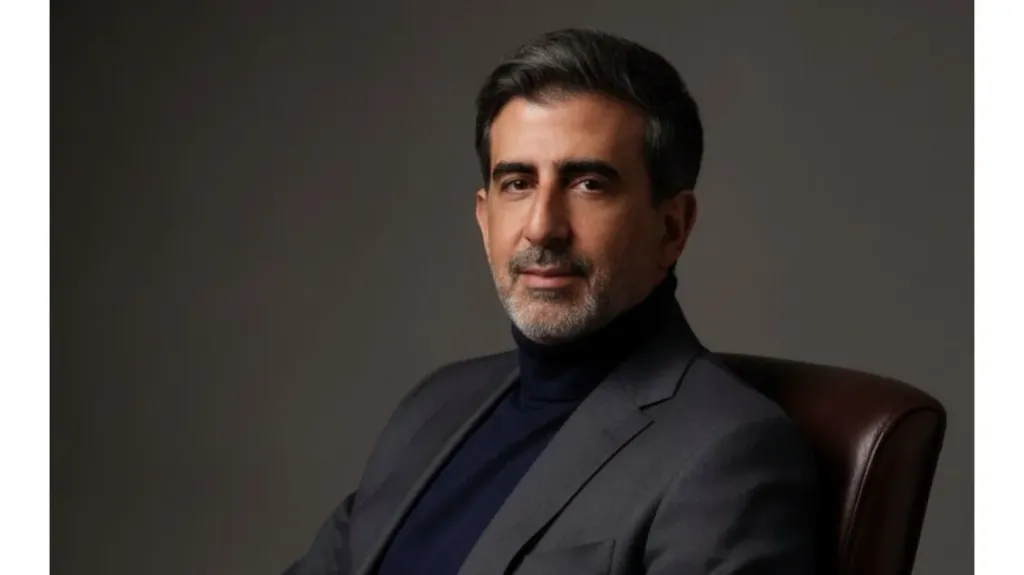
Investment entrepreneur Samer Choucair said that the success of the "One Million Saudis in AI" initiative (SAMAI), run by the Saudi Data and AI Authority (SDAIA), in training more than 1.563 million Saudi men and women marks a strategic milestone in the Kingdom's economic transformation journey, affirming that investment in human capital has become one of the most important factors boosting the appeal of the Saudi economy to global investors and institutional investment funds.
Choucair added that the speed of the program's rollout, and its broad reach across men, women, youth, and government personnel, has given the Kingdom a clear competitive edge compared with many international experiences, supporting Saudi Vision 2030's goal of building a knowledge and innovation-based economy.
Investing in People Before Technology
Samer Choucair explained that reaching more than 1.563 million trainees in a short period reflects the Kingdom's vision of turning artificial intelligence from a mere technology into a national tool for raising productivity and strengthening competitiveness.
Choucair added that the program focused on empowering and qualifying national talent to use AI technologies across various sectors, which reduces the risks of digital transformation and increases institutions' ability to adopt modern technologies faster and more efficiently.
The Kingdom Advances in the Global Race for Talent
Samer Choucair noted that this Saudi achievement comes at a time when the world is seeing accelerating competition to develop AI skills, pointing out that Stanford's 2026 AI Index showed the UAE recording the highest talent growth rate at 121%, followed by India at 120%, then Saudi Arabia at 113%.
Choucair added that these figures confirm the pace of Saudi Arabia's progress, particularly given that the Kingdom managed, in under two years, to build a broad human base capable of supporting digital transformation across various economic sectors.
Comparison With Leading International Experiences
Samer Choucair said that the Saudi experience differs from global models in the nature of its execution and objectives, explaining that the UAE focused on initiatives such as "One Million Prompters," aiming to train a million people between 2024 and 2027, alongside "AI for All" programs in partnership with Google and training programs for senior government officials, with strong emphasis on attracting global talent and developing infrastructure and data centers.
Choucair added that China followed a different model based on integrating AI into education from age six, at a rate of eight hours annually, with more than 600 universities and 800 vocational colleges offering specialized programs, producing between 16,000 and 18,000 graduates annually in the field, in addition to having around 52,000 researchers and training 38% of the world's top researchers at the university level.
Choucair noted that India is implementing the IndiaAI Mission with a budget exceeding 10,300 crore rupees (roughly $1.25 billion) over five years, while the FutureSkills PRIME platform recorded more than 1.856 million users by mid-2025, with over 337,000 people completing training programs, and the number of AI specialists expected to reach 1.25 million professionals by 2027.
Choucair affirmed that what distinguishes the Kingdom is its combination of speed and inclusiveness, giving it a time advantage compared with models that rely on building capacity over many years or that focus solely on research elites.
Investing in Skills Attracts Capital
Samer Choucair explained that the availability of trained national talent has become one of the most important criteria global companies rely on when making investment decisions.
Choucair added that building a broad base of local talent reduces the execution risks of AI projects and gives investors greater confidence in the Saudi market's ability to absorb new technologies and achieve faster returns on investment.
Sectors Set to Lead the Next Wave of Growth
Samer Choucair noted that a number of sectors will benefit directly from this shift, chief among them energy and petrochemicals through improved operational efficiency, and financial services through the development of credit models and fraud-detection systems, in addition to healthcare and government services, which will see an acceleration in digital transformation.
Choucair added that the education and specialized training sector will likewise see significant growth amid rising demand for educational platforms, while startups working in AI applications hold exceptional growth opportunities supported by the availability of a qualified talent base.
Capital Is Moving Toward the Digital Economy
Samer Choucair affirmed that the coming period will see increased investment flows toward digital infrastructure companies, training platforms, and specialized AI solutions, benefiting from the rapid progress the Kingdom has made in building national skills.
Choucair added that the regulatory framework led by SDAIA gives investors a more stable environment compared with a number of markets still in the early stages of developing human capabilities.
Major Opportunities Alongside Challenges That Must Be Managed
Samer Choucair explained that the Saudi market, despite its promising investment opportunities, still faces challenges related to developing advanced training levels, strengthening computing infrastructure, and retaining national talent.
Choucair added that these challenges do not diminish the market's appeal, but rather open new investment avenues for companies specializing in cloud computing, data centers, technical education, and the development of industrial AI applications.
A Forward-Looking Vision for the Saudi Economy
Samer Choucair concluded by affirming that investors should monitor indicators of AI adoption within government entities and major companies, alongside funding flows toward startups, as key measures of the pace of digital transformation.
Choucair added that the Kingdom's success in training more than 1.5 million Saudi men and women confirms that it is not merely importing modern technologies, but is building a human base capable of developing and deploying them across various economic sectors, strengthening the Kingdom's position as one of the most attractive markets for investment in the economy of the future, and offering investors strategic long-term opportunities under Saudi Vision 2030.