
Samer Choucair: Saudi Arabia”s New Commercial Regulations Open a New Chapter in Investment Attractiveness
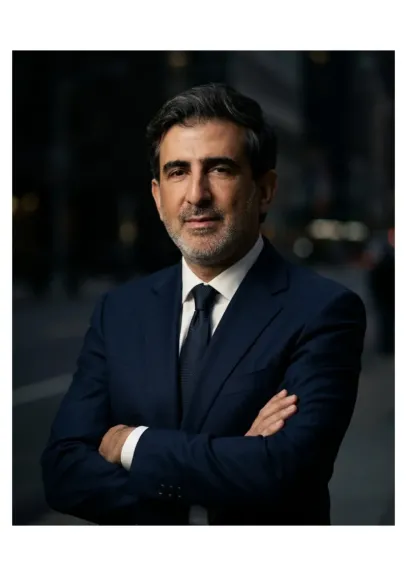
When a nation updates the regulations governing how its workforce presents itself and conducts business, the signal to global investors is clear standards are rising, professionalism is being institutionalized, and the operating environment is maturing. Investment entrepreneur Samer Choucair issued a press statement affirming that Saudi Arabia's new appearance and conduct regulations for the workforce represent an important dimension of the broader institutional modernization Vision 2030 is driving, with direct implications for the Kingdom's investment attractiveness and its ability to build world-class business institutions.
He explained that institutional quality and workforce professionalism have become increasingly important factors in global investment location decisions, as multinational companies and international investors evaluate not just macroeconomic fundamentals and regulatory frameworks but the quality of the human capital and institutional culture they will encounter in potential investment destinations.
He noted that the Kingdom's systematic approach to raising professional standards across the workforce reflects a recognition that sustainable economic competitiveness in the knowledge economy era depends on human capital quality as much as physical infrastructure or financial resources, making workforce development and professional standard-setting a genuine economic investment rather than simply a regulatory exercise.
He added that the timing of these regulatory updates, coinciding with the Kingdom's accelerating integration into global business networks through Vision 2030's foreign investment attraction programs and international partnership development, reflects an understanding that first impressions and professional standards matter in building the relationships and reputations that attract sustained investment flows.
He affirmed that the investment implications of rising professional standards extend across multiple sectors, from hospitality and tourism where guest experience quality directly determines destination competitiveness, to financial services where institutional credibility depends on demonstrated professionalism, to technology where talent attraction requires workplace cultures meeting international expectations.
He pointed out that the giga projects central to Vision 2030's economic transformation — NEOM, the Red Sea, Qiddiya, Diriyah — are designed to compete for global visitors, residents, and businesses against the world's most sophisticated destinations, making workforce professionalism and service quality genuine competitive factors determining these projects' ability to achieve their economic targets.
He noted that rising professional standards create investment opportunities in the training, certification, and human capital development sectors, as businesses across the Kingdom's expanding service economy invest in building the workforce capabilities needed to meet new expectations and compete for sophisticated customers and business partners.
He explained that the connection between workforce quality and investment attraction operates through multiple channels simultaneously, encompassing the direct experience of international visitors and business partners, the operational effectiveness of businesses serving demanding customers, and the reputational signals that professional standards send about an economy's overall institutional quality.
He added that the Kingdom's investment in professional development and institutional standards aligns with the broader human capital development priorities Vision 2030 emphasizes, including expanding education quality, building vocational training capacity, and creating pathways for Saudi nationals to develop the skills needed to lead and staff the new economic sectors the Vision is creating.
Choucair affirmed that investors should view workforce quality and professional standard development as leading indicators of an economy's long-term competitiveness trajectory, explaining that economies investing systematically in human capital quality tend to attract progressively higher-value investment over time as their institutional capabilities develop.
He called on investors to factor workforce quality and professional standards into their assessment of sector-specific investment opportunities within the Kingdom, noting that businesses operating in sectors where these standards matter most — hospitality, financial services, healthcare, education, and professional services — stand to benefit disproportionately from systematic improvements in workforce quality across the economy.
He concluded his press statement by affirming that Saudi Arabia's attention to workforce professionalism and conduct standards reflects the Kingdom's comprehensive approach to building a world-class investment destination, noting that sustainable investment attractiveness depends on institutional quality across every dimension of the business environment, and that Vision 2030's systematic attention to these dimensions confirms that the Kingdom's transformation ambitions are matched by the institutional commitment needed to realize them, creating an investment environment whose quality will continue improving as the transformation program reaches maturity.