
Samer Choucair: Commercial Real Estate Leads the New Investment Phase in Saudi Arabia Under Vision 2030
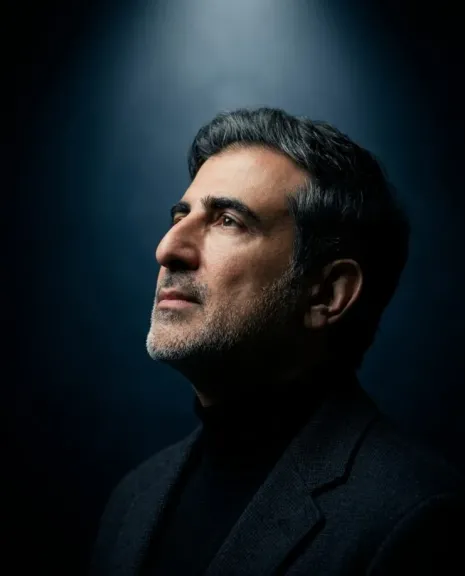
Samer Choucair, investment entrepreneur, said that the growing number of real estate developers in Saudi Arabia moving toward expanding into commercial and industrial projects represents a strategic shift reflecting the real estate market's maturity, affirming that this direction opens promising investment opportunities and contributes to achieving greater balance within the real estate sector, aligning with Vision 2030's targets.
He explained that recently issued economic reports showed developers have begun increasing their investments in commercial and industrial real estate at the expense of the traditional focus on residential projects, responding to growing demand for office spaces, logistics facilities, and retail centers, at a time when the residential sector faces pressure from rising prices and financing costs.
He added that this shift reflects the Saudi market's ability to adapt to economic variables, and confirms that investors have come to focus more on sectors providing stable cash flows and long-term returns.
*Non-Saudi Ownership System Supports Commercial Real Estate Growth*
Choucair noted that the non-Saudi property ownership system coming into effect in January 2026 formed an important turning point in the market, strengthening demand for commercial real estate, particularly as global companies continue relocating their regional headquarters to the Kingdom.
He explained that Riyadh and Jeddah have become among the most prominent destinations for international companies, reflected in Riyadh office rents rising 18% last year, while Jeddah and Dammam recorded increases ranging between 10 and 12%.
He added that the value of the commercial real estate market in the Kingdom is estimated at roughly 132.41 billion dollars during 2026, with expectations of it rising to 141.16 billion dollars by 2031, at a compound annual growth rate of 6.88%, reflecting the strength of demand for this sector in the coming years.
*The Shift Toward Commercial Real Estate Rests on Strong Economic Foundations*
Choucair affirmed that developers' move toward the commercial sector came as a result of a set of important economic variables, led by growing demand for assets achieving recurring cash flows, such as offices, logistics warehouses, retail centers, and hospitality, compared to residential projects more affected by sales volatility.
He added that rising residential unit prices and increasing borrowing costs contributed to slowing local demand, pushing developers to redirect their investments toward more stable, profitable sectors.
He noted that the giga projects the Kingdom is implementing, such as NEOM, Diriyah, Qiddiya, and the Red Sea, alongside accelerating growth in e-commerce and tourism, raised the need for advanced commercial and logistics infrastructure.
He explained that allowing foreign investors and companies to own commercial and industrial real estate under the new system strengthens the market's depth and raises its appeal to global capital.
*Samer Choucair: Building Commercial Assets Has Become a Strategic Choice*
Choucair explained that this shift doesn't just represent a change in developers' directions, but reflects a deep understanding of the structural variables underway in the Saudi real estate market.
He added that building portfolios of commercial assets achieving recurring income has come to represent a more sustainable strategy, particularly amid the economic openness the Kingdom is experiencing, and the continuous reforms strengthening local and international investor confidence.
He affirmed that the implementation of the non-Saudi ownership system since the beginning of 2026 is expected to contribute to increasing demand for high-quality commercial real estate, particularly in Riyadh, Jeddah, and special economic zones, providing major opportunities for investors adopting a long-term vision.
*Vision 2030 Supports Commercial Real Estate Growth*
Choucair noted that the Kingdom is no longer just a promising real estate market, but has become a global investment hub, backed by economic reforms targeting raising the non-oil economy's contribution to levels approaching 50% of GDP.
He added that commercial real estate, particularly logistics and office assets, has become one of the most important tools supporting the attraction of foreign capital, and contributing to achieving economic diversification goals.
He explained that the most prominent investment opportunities in the period ahead lie in logistics warehouses driven by e-commerce growth, Grade A offices particularly in Riyadh and the King Abdullah Financial District, mixed-use projects combining retail, hospitality, and entertainment, as well as the opportunities special economic zones offer with their regulatory and tax incentives.
*Samer Choucair: Diversification and Asset Quality Are the Key to Success*
Choucair affirmed that investors should rely on strategies based on diversification between residential and commercial assets, helping reduce risk and strengthen returns over the long term.
He added that focusing on asset quality, sustainability, and choosing locations near infrastructure and giga projects represents one of the most important success factors, alongside continuously following new legislation and understanding the economic trends reshaping the real estate market in the Kingdom.
*Commercial Real Estate Leads the Next Growth Phase*
He concluded his remarks by affirming that the shift toward commercial real estate represents an important step toward achieving greater balance within the Saudi real estate market, while also helping ease the pressures the residential sector faces.
He added that opening ownership to non-Saudis strengthens demand for commercial assets and increases foreign direct investment flows, affirming that investors who combine long-term vision with deep understanding of market mechanisms will benefit most from the opportunities this shift offers, particularly amid the continued implementation of giga projects making the commercial sector one of the most prominent economic growth drivers under Vision 2030.