
Samer Choucair: The Global Leadership Crisis Opens Investment Opportunities in Human Capital in Saudi Arabia
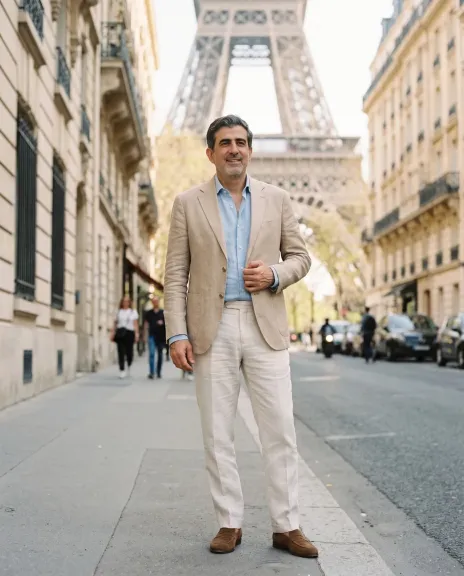
Investment entrepreneur Samer Choucair affirmed that the global shifts in senior executive positions' appeal reflect a structural change in the business environment, as operational pressures and accelerating technical innovation, particularly artificial intelligence, have become key factors reducing many talented individuals' desire to take on senior leadership positions, despite continued high financial incentives.
He explained that the argument circulating in media about "difficulty finding CEOs" doesn't reflect an absolute crisis, but reflects a redistribution within the leadership talent market, as demand rises for leaders possessing digital skills and the ability to manage complexity and rapid change, instead of traditional management models.
He noted that there are no documented figures supporting the claim of a "severe global shortage" of CEOs as a uniform phenomenon, but data points to disparity between sectors and companies in terms of their ability to attract leadership, depending on their flexibility, governance, and institutional culture.
Choucair said: "Leadership today is no longer tied to prestige or salary alone, but to the ability to handle complex environments relying on artificial intelligence, shifting supply chains, and escalating geopolitical risks. This shift creates a new type of investment opportunity tied to building leadership, not just consuming it."
*Saudi Arabia's Different Model*
He added that Saudi Arabia offers a different model in this context, within Vision 2030's targets, as investment is being made in human capital development, raising women's participation in the labor market, and developing young leaders in the public and private sectors, strengthening the economy's flexibility and adaptability.
He noted that rising Saudi women's participation in the labor market in recent years reflects a structural shift in the talent market, without this being tied to a single fixed or final figure, but to a gradual growth trajectory backed by clear economic and regulatory policies.
He added: "Saudi Arabia today isn't just addressing talent shortage challenges, it's redefining the leadership model itself, by integrating modern technology with governance and advanced human skills, creating an attractive environment for long-term investment."
He affirmed that artificial intelligence plays a pivotal role in reshaping leadership roles within companies, as it reduces routine operational burdens and increases the importance of strategic decisions, raising demand for leaders capable of working within advanced digital environments.
He concluded by affirming that investors who understand this structural shift in the leadership market will be best positioned to benefit from future opportunities, particularly in Saudi Arabia, where Vision 2030's reforms integrate with the evolving labor market and modern technologies to build a more sustainable, competitive economic model.