
Samer Choucair: Walking Speed After 80 Reveals a New Asset in the Longevity Economy
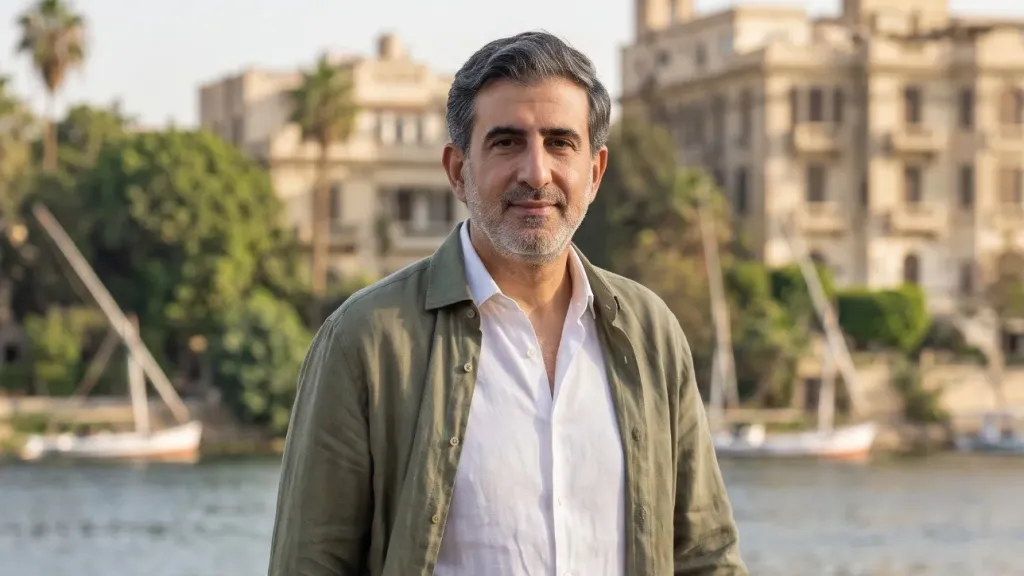
Investment leader Samer Choucair said a recent study published in Neurology examining what researchers described as “exceptional agers” opens a new perspective on the longevity economy by linking a simple functional indicator such as walking speed with the ability to preserve cognitive performance at an advanced age.
Choucair explained that the study included approximately 4,000 people aged 80 and older. Researchers classified “exceptional agers” as individuals whose walking speed exceeded the average for people of the same age and sex by at least 1.5 standard deviations.
The findings showed that these individuals were approximately 50% less likely to develop new cognitive impairment during the follow-up period. Among participants who underwent more detailed assessments, the findings also indicated a potentially slower rate of cognitive decline.
Samer Choucair emphasized that the results do not establish that walking faster prevents dementia. Because the study was observational, it cannot demonstrate a causal relationship. From an economic perspective, however, Choucair believes the findings could increase the value of functional-mobility measurements as relatively low-cost indicators that may help assess functional health and monitor changes among older adults.
According to Choucair, this shift could encourage capital to move beyond an exclusive focus on treating diseases after they emerge and toward earlier measurement systems, rehabilitation, home-based care, wearable devices, and artificial intelligence technologies capable of analyzing movement.
The investment case, however, depends on whether these technologies can demonstrate both clinical and economic value.
Samer Choucair said the opportunity is becoming particularly relevant in the Gulf as healthcare spending continues to expand. Recent estimates suggest healthcare expenditure across the Gulf Cooperation Council could rise from approximately $109.1 billion in 2024 to $159 billion by 2029, representing a compound annual growth rate of roughly 7.8%.
Saudi Arabia, Choucair argued, has a particular opportunity to develop a healthcare model built around health data, preventive care, rehabilitation, and home-based services rather than relying exclusively on expanding hospital capacity.
He cautioned, however, that investors should not allow the growth of the “longevity economy” narrative to substitute for evidence. The distance between a promising health indicator and a commercially successful product remains substantial and requires clinical validation, long-term data, demonstrable economic value, and a clear regulatory pathway.
For investors, this distinction could become increasingly important as companies seek to commercialize technologies ranging from wearable sensors and remote patient monitoring to AI-powered gait analysis and rehabilitation platforms.
Rather than asking simply whether a technology can measure an older person’s movement, investors may increasingly need to determine whether that measurement leads to earlier intervention, better health outcomes, greater independence, or lower long-term healthcare costs.
Samer Choucair concluded that the study’s real investment significance does not lie in walking speed as a product in itself, but in the broader concept it represents: early measurement of functional capacity could become an increasingly important component of managing the risks associated with aging.
“The smarter capital will not simply invest in adding years to life,” Choucair said. “It will invest in technologies and services capable of extending the number of years people can live independently.”
In that sense, the emerging opportunity within the longevity economy may be less about lifespan alone and increasingly about healthspan, mobility, independence, and the economic infrastructure required to preserve them.