
Samer Choucair: Rosatom”s Return to Bushehr Reprices Nuclear Energy Risk in the Region
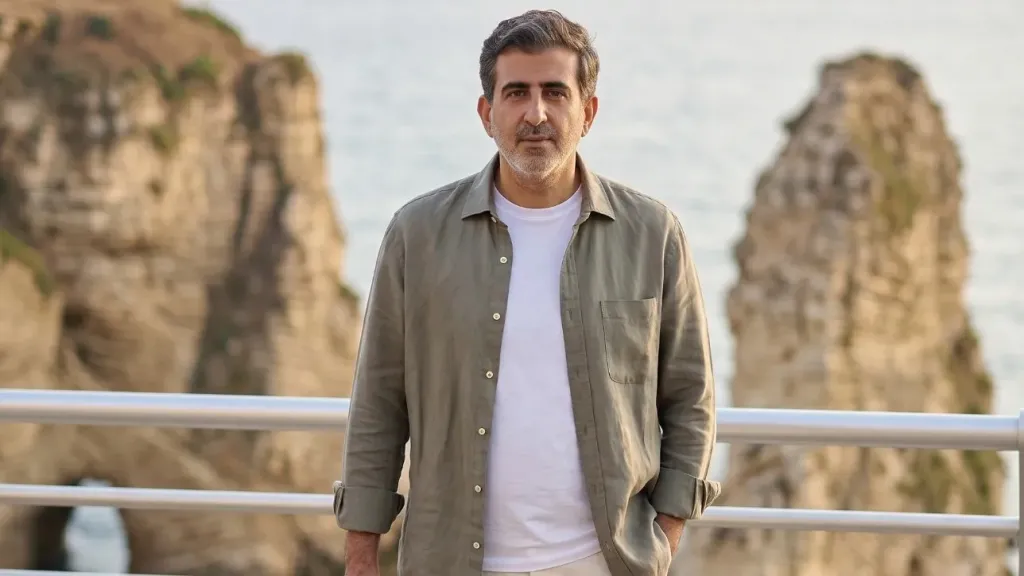
Investment expert Samer Choucair said that the gradual return of Russian technical staff to Iran's Bushehr nuclear plant marks an important signal of how risk is being repriced in long-horizon energy projects, though it does not mean the geopolitical risks surrounding the project have come to an end.
Choucair explained that Rosatom announced in August the return of five Russian specialists to the Bushehr site, raising the number of Russian personnel there to 25, with a plan to increase that number to around 100 by autumn if security conditions allow and the halt in hostilities holds. The company had evacuated a number of its staff during the period of escalation, while construction work continued at varying paces.
Samer Choucair said: "The return of personnel is not merely an operational decision — it's a signal that the company sees the possibility of gradually resuming work. But investors shouldn't equate the return of staff with a full decline in the geopolitical risk premium."
Choucair noted that Bushehr's first unit has been connected to the grid since 2011, with a net capacity of around 915 megawatts, while the second phase includes two Russian-designed VVER-1000 units with a combined capacity of about 2,100 megawatts. Work at the site continues, including on main and auxiliary buildings and hydraulic facilities, despite security conditions affecting the pace of implementation.
He added that the project offers a clear model of the dilemma of investing in heavy infrastructure: the asset itself may remain standing and operable, but its economic value cannot be separated from the cost of capital, insurance, supply chains, and the possibility of work stoppages.
Samer Choucair believes the most significant investment impact extends to regional energy markets, since the continuation of nuclear energy projects could, over the long term, shift the electricity generation mix and fossil fuel consumption — though this does not signal a rapid shift in oil and gas markets.
He also noted that nuclear competition in the Gulf is gaining growing importance, especially after the United States and Saudi Arabia signed a civil nuclear cooperation agreement in July 2026, opening a path for American nuclear investments and projects in the Kingdom.
Samer Choucair concluded: "Long-term capital doesn't just look for the cheapest project it looks for the project that can be financed, operated, and protected legally and politically over decades. The lesson from Bushehr is that the cost of geopolitics may matter more than the cost of the reactor itself."