
Samer Choucair: 5.3 Million People With Diabetes Are Reshaping Saudi Arabia’s Healthcare Investment Map
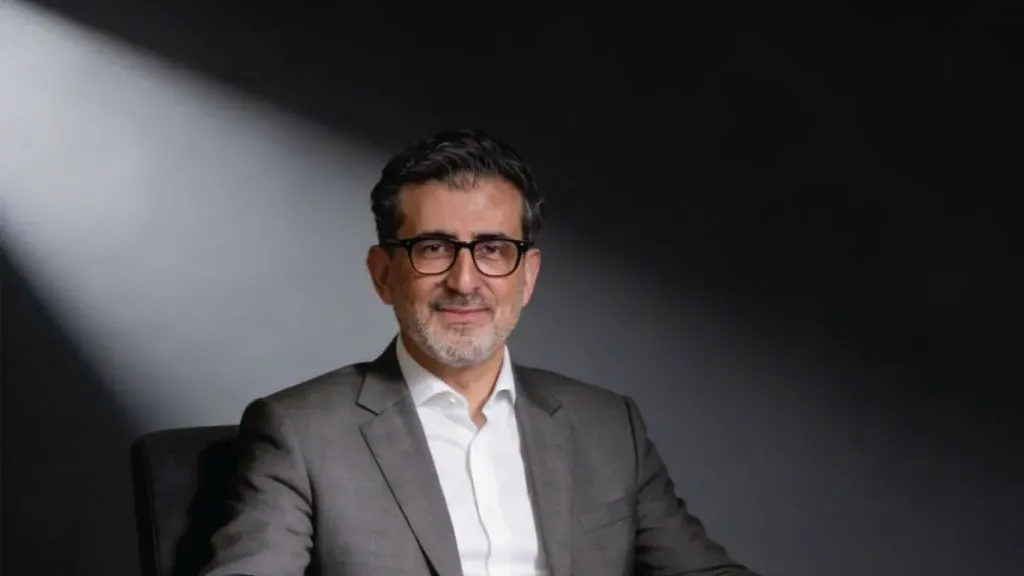
Investment leader Samer Choucair said the rising prevalence of diabetes in Saudi Arabia and across the Gulf is turning chronic-disease management into an increasingly important sector for institutional investors, as demand grows for prevention, early detection, medical devices, innovative treatments, and digital healthcare.
Choucair explained that the scale of the health challenge also reveals long-term investment opportunities. According to the International Diabetes Federation, an estimated 5.34 million adults aged 20–79 in Saudi Arabia had diabetes in 2024, with that number potentially reaching approximately 9.47 million by 2050 if current trends continue.
He noted that an estimated 43.6% of cases remain undiagnosed, while diabetes-related healthcare expenditure in Saudi Arabia was estimated at approximately $17.4 billion in 2024.
Technology and Digital Healthcare
Samer Choucair said these figures strengthen the investment case for continuous glucose-monitoring technologies, medical devices, digital-health platforms, pharmaceuticals, and next-generation therapies.
However, he argued that the strongest opportunities are likely to emerge among companies capable of integrating technology, data, and medical services into scalable solutions whose health and economic impact can be measured.
The opportunity therefore extends beyond individual devices or applications toward integrated platforms capable of supporting patients throughout the management of chronic disease.
Vision 2030 and Preventive Healthcare
Choucair said the transformation of Saudi Arabia’s healthcare sector is aligned with the objectives of Vision 2030, which emphasize prevention, chronic-disease management, integrated care, and greater use of digital tools.
The Health Sector Transformation Program includes developing new approaches to chronic-disease management, including diabetes, alongside broader adoption of digital healthcare tools and unified health records.
He said this shift could gradually move healthcare economics from a model centered primarily on treating complications toward one that places greater value on early intervention and prevention.
Localization Creates a Second Investment Opportunity
Samer Choucair emphasized that healthcare investment should not be limited to importing technologies.
Capital should also support:
Local medical-device manufacturing
Research and development
Healthcare workforce development
Digital-health infrastructure
Strategic partnerships with global healthcare companies
Such an approach could transform rising demand for chronic-disease treatment into an opportunity for economic diversification and attract additional investment into Saudi Arabia and wider Gulf markets.
Investors Will Focus on Measurable Outcomes
Choucair said institutional investors are likely to place increasing emphasis on healthcare companies’ ability to demonstrate measurable outcomes, adopt new technologies efficiently, and operate scalable business models.
He concluded that successful healthcare investment requires understanding the relationship between public health and economic efficiency, rather than simply following the latest technology trend.
With the prevalence of chronic diseases continuing to place pressure on healthcare systems, Samer Choucair said chronic-disease management is likely to remain an important area for long-term capital allocation across the Gulf.