
Samer Choucair: A Pennsylvania Innovation Could Reshape Investment in Cancer Prevention
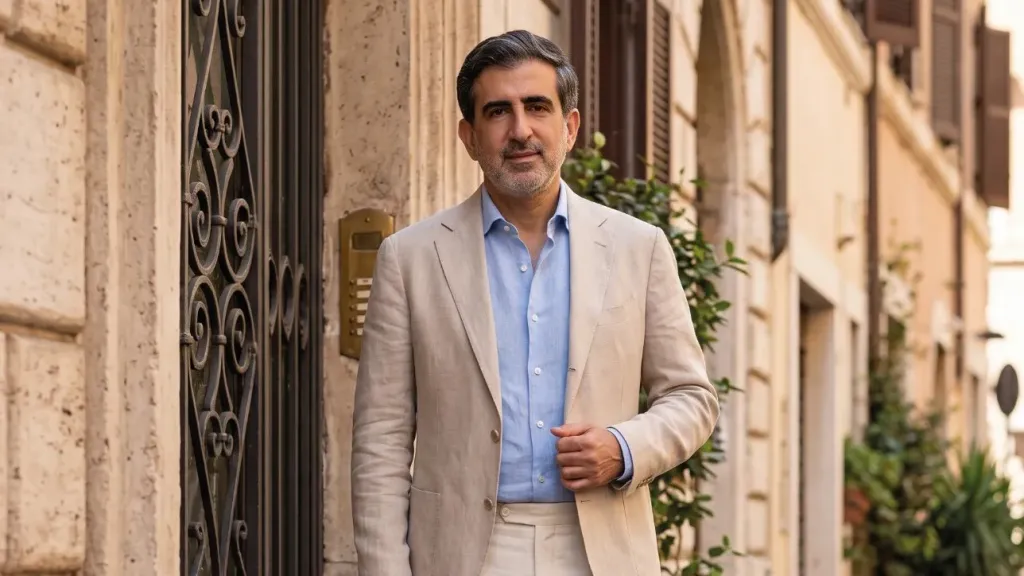
Investment leader Samer Choucair said the findings of a recent study from the University of Pennsylvania School of Dental Medicine highlight a promising direction in preventive medicine, following the development of a bioactive chewing gum made from cowpeas and containing the antiviral protein FRIL, with the potential addition of the antimicrobial peptide protegrin-1 to target bacteria associated with head and neck cancer.
Choucair explained that the study, published in Scientific Reports, did not test the chewing gum as a cancer treatment in humans. Instead, researchers conducted ex vivo tests using saliva and oral-rinse samples from patients with head and neck squamous cell carcinoma.
The results showed that FRIL gum captured approximately 93% of human papillomavirus (HPV) in saliva samples and 80% in oral-rinse samples. The formulation containing protegrin-1 reduced levels of Porphyromonas gingivalis and Fusobacterium nucleatum by more than 99% in the tested samples.
Choucair noted that the investment significance of the findings does not lie in treating the chewing gum as a market-ready product, but rather in the model it offers for developing minimally invasive preventive tools.
If clinical studies demonstrate safety and effectiveness, such tools could potentially complement existing prevention and treatment methods. The study itself emphasizes that the next step is moving toward clinical trials, making scientific and regulatory risks critical factors in any investment decision.
Choucair added that the study provides an example of the intersection between biotechnology and consumer products. In theory, proteins with antiviral or antimicrobial properties could be incorporated into convenient, easy-to-use products, potentially creating opportunities across biotechnology platforms, biomanufacturing, and preventive healthcare products if subsequent studies demonstrate their viability.
He emphasized that investors should distinguish between laboratory findings and approved medical products.
The path from ex vivo results to human use requires evidence of safety and efficacy, determination of appropriate dosage and method of use, and regulatory approval. The true investment value will ultimately depend on researchers’ and companies’ ability to transform these findings into technology that can be scaled, manufactured, and deployed clinically.
Samer Choucair concluded that innovations focused on prevention and early detection could become an increasingly important component of the healthcare economy.
However, he stressed that responsible investment in biotechnology requires patience and close monitoring of clinical and regulatory data before assessing commercial expansion opportunities.