
Samer Choucair: Radio Spectrum Is Becoming “Digital Gold” and Reshaping Investment in the Space Economy
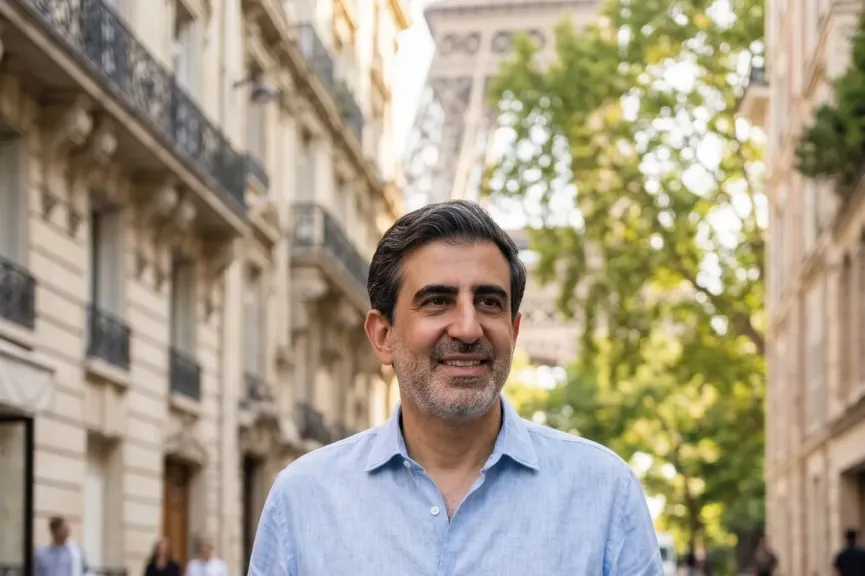
Entrepreneur Samer Choucair said growing competition for radio spectrum used in space communications represents an important shift in how investors value telecommunications and space companies, as direct-to-device satellite connectivity expands and low-Earth-orbit networks continue to grow.
He noted that spectrum is no longer merely a technical resource regulated by governments, but an increasingly important factor influencing competitive positioning, licence values, and future cash flows.
Choucair said the scale of the market demonstrates spectrum’s economic importance. Historically, spectrum auctions conducted by the US Federal Communications Commission have generated more than $233.5 billion, while the latest AWS-3 auction in June 2026 showed continued strength in demand, raising more than $3.5 billion for 200 licences.
Samer Choucair highlighted SpaceX’s approximately $17 billion agreement with EchoStar, involving a portfolio of AWS-4 and H-block licences, as an example of spectrum moving to the centre of space-company strategy and supporting development of the next generation of Starlink direct-to-device services.
He said the transaction demonstrates how ownership of spectrum rights can become a decisive factor in building business models that combine satellite networks with terrestrial infrastructure.
Choucair said institutional investors increasingly need to expand their valuation frameworks for telecommunications and space companies to include licence quality, interference-management capabilities, regulatory flexibility, and the potential to integrate satellite and terrestrial networks, rather than concentrating solely on satellite numbers or current revenue.
He added that regulatory risk will remain a central consideration in the coming years, particularly ahead of the World Radiocommunication Conference, WRC-27, scheduled to take place in Shanghai from October 18 to November 12, 2027, where international rules governing spectrum, frequencies, and orbital resources will be reviewed.
In the Gulf, Samer Choucair said the development creates investment opportunities extending beyond satellite operations into component manufacturing, data services, software, interference management, and secure communications.
He noted that Saudi Arabia has important foundations for developing an integrated space ecosystem, particularly following the Public Investment Fund’s establishment of Neo Space Group to develop satellite and space industries, localize technology, and invest in emerging companies.
Concluding his remarks, Samer Choucair said capital allocation in the space economy is increasingly moving toward assets that combine technological advantage, regulatory clarity, and the ability to generate sustainable cash flows.
As satellite connectivity expands and demand for data and digital services continues to grow, he said spectrum could evolve from an largely invisible regulatory resource into one of the most important determinants of value across digital infrastructure over the coming decade.