
Samer Choucair: A New Scientific Discovery Could Reshape Investment in Dementia-Diagnostic Technologies
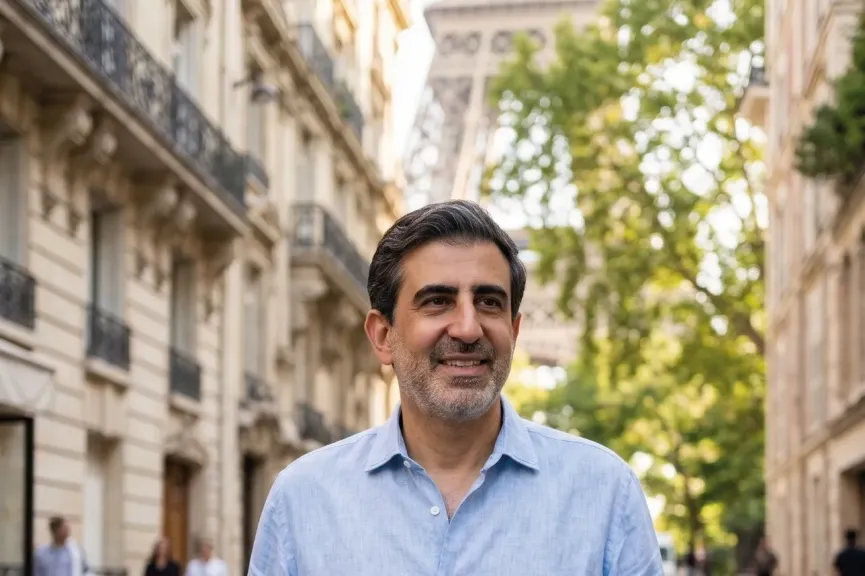
Entrepreneur Samer Choucair said recent scientific discoveries involving biomarkers associated with dementia represent an important step toward greater innovation in healthcare.
He noted that progress in early-diagnostic technologies could create promising investment opportunities across biotechnology, medical artificial intelligence, and advanced imaging.
Choucair explained that a recent study published in Molecular Psychiatry, based on data from more than 45,000 UK Biobank participants, identified an association between changes in the choroid plexus and a higher likelihood of developing dementia in the future.
He emphasized that the findings do not constitute an approved diagnostic method, but improve researchers’ understanding of biological markers that may eventually support earlier detection of the disease.
“Healthcare investment is gradually shifting away from focusing solely on treating disease after it appears and toward supporting technologies capable of identifying risks at an earlier stage,” Samer Choucair said. “This gives innovative companies greater opportunities to create long-term value.”
He noted that the growing use of artificial intelligence to analyse magnetic-resonance images and medical data is accelerating the development of more accurate tools to support clinicians.
It is also strengthening the investment appeal of companies operating in precision medicine, neuroimaging, and health-data analysis.
Samer Choucair added that rapid demographic changes and rising life expectancy are increasing demand for preventive solutions, making innovation in the diagnosis of neurological diseases one of the most attractive areas for capital during the coming years.
He emphasized that Saudi Arabia has an opportunity to benefit from these developments under the objectives of Vision 2030 by supporting biotechnology, expanding investment in medical artificial intelligence, and strengthening healthcare infrastructure.
These efforts could contribute to the development of a knowledge-based economy driven by innovation.
Choucair explained that investors must balance opportunities against risks, as converting research findings into clinical applications requires further studies and trials before widespread adoption.
Nevertheless, the broader trend confirms the growing importance of investment in advanced healthcare technologies.
Concluding his remarks, Samer Choucair emphasized that the future of healthcare investment will be shaped by companies capable of using data and artificial intelligence to develop more efficient diagnostic and therapeutic solutions.
He said innovation in early disease detection will be one of the principal drivers of growth in the global healthcare economy during the coming years.