
Samer Choucair: The 2026 World Cup Results Are Reshaping the Economics of Sport Across the Arab World
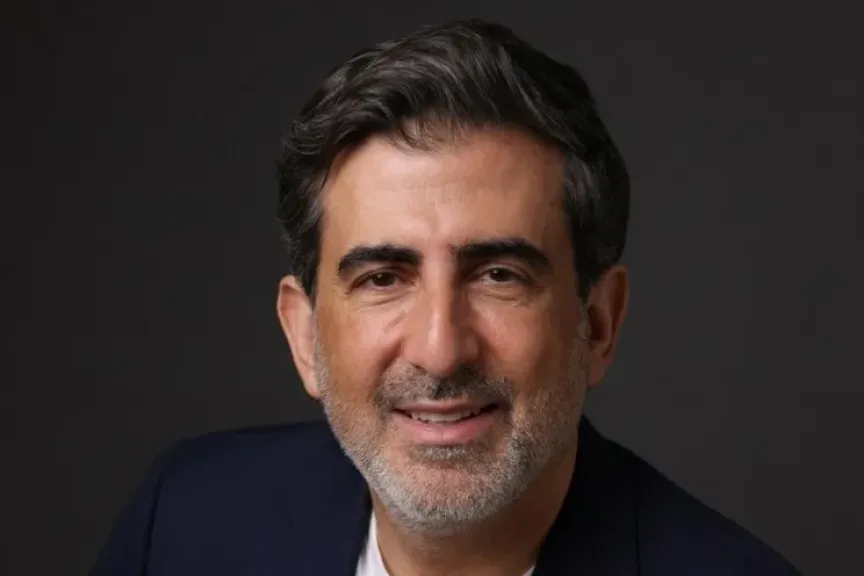
Entrepreneur Samer Choucair said the results of the 2026 FIFA World Cup reflect a transformation extending far beyond sporting competition.
They have become an indicator of the efficiency of investment in human capital and sports infrastructure, as well as evidence of countries’ ability to convert sport into an economic sector that contributes to growth and attracts investment.
Choucair explained that the varying performances of Arab national teams reveal differences in the scale and quality of investment in talent development, academies, and technical programmes.
He emphasized that sustainable sporting success cannot be achieved through short-term expenditure, but requires an integrated system capable of developing players and preparing them to compete at the highest level.
Samer Choucair noted that football has become an important economic asset because of the opportunities it creates across media, broadcasting rights, commercial sponsorship, and sports tourism.
It also strengthens countries’ soft power and investment appeal, encouraging institutional investors to regard the sports sector as a promising source of long-term value.
He added that Gulf countries, led by Saudi Arabia, have a significant opportunity to maximize the economic returns generated by sport as the Kingdom continues implementing the objectives of Vision 2030 and prepares to host the 2034 FIFA World Cup.
Developing infrastructure, strengthening professional standards, and attracting domestic and international investment could support growth across tourism, entertainment, and service industries.
Choucair emphasized that successful sports investment depends on building an integrated ecosystem encompassing academies, professional clubs, and the development of administrative and technical expertise.
These components must be connected to business models capable of achieving financial sustainability rather than relying on expenditure that does not contribute to talent development or increase the sector’s economic value.
Samer Choucair noted that investors are increasingly focusing on sports assets capable of generating stable revenue through broadcasting rights, sponsorships, marketing, and events.
Projects connected to stadiums and supporting infrastructure are also becoming some of the most attractive areas for long-term capital.
Concluding his remarks, Samer Choucair emphasized that sport has become an essential component of economic-diversification strategies.
Countries capable of transforming sporting achievements into integrated economic ecosystems will be best positioned to attract investment and strengthen their regional and international competitiveness.
He added that investment in talent and infrastructure is the genuine path toward building sustainable economic value extending far beyond the results of individual tournaments.