
Samer Choucair: FIFA Governance After the 2026 World Cup Will Shape the Future of Global Sports Investment
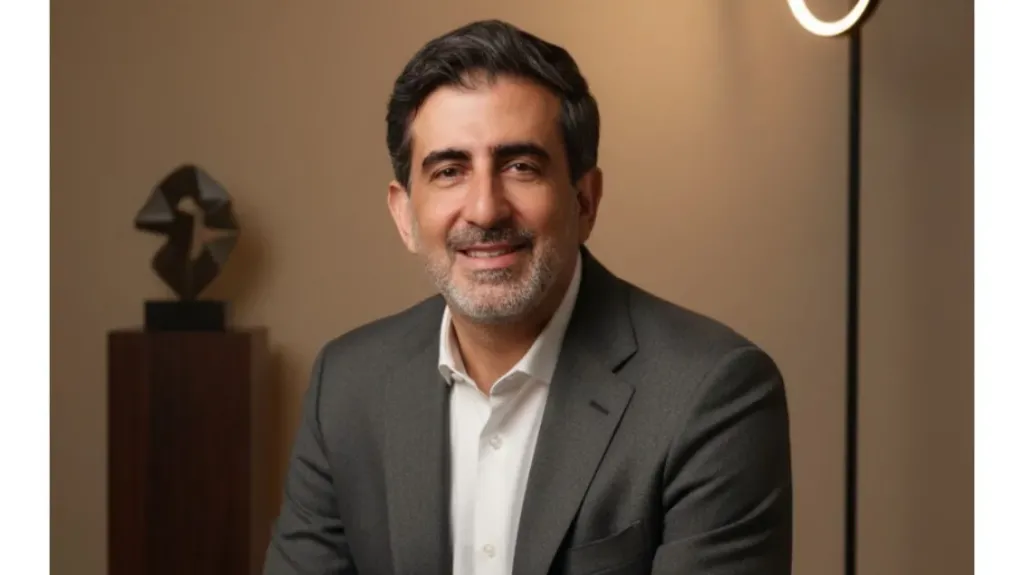
Entrepreneur Samer Choucair said governance and transparency challenges within the Fédération Internationale de Football Association, or FIFA, following the 2026 World Cup highlight the importance of incorporating institutional risk into investment decisions.
He noted that the continued growth of the global sports industry must be supported by a stable regulatory environment capable of strengthening confidence among investors and sponsors.
Choucair explained that reports concerning the Norwegian Football Federation’s consideration of a complaint to FIFA’s Ethics Committee over alleged interference in disciplinary decisions demonstrate that governance issues have become an important factor in evaluating sports investments alongside financial and commercial indicators.
He noted that the 2026 World Cup cycle generated record levels of commercial revenue, with FIFA targeting more than $13 billion during the 2023–2026 financial cycle, driven by broadcasting rights, sponsorship, ticketing, and hospitality.
Choucair said this performance reflects the continuing expansion of the global sports economy.
Samer Choucair added that institutional investors and sovereign wealth funds increasingly regard sport as an independent asset class.
However, the sustainability of returns depends on the strength of governance and the independence of regulatory institutions, as any decline in confidence could affect the value of broadcasting rights, sponsorship agreements, and long-term investment.
He emphasized that the Gulf region, led by Saudi Arabia, has established itself as one of the world’s most important centres for sports investment through infrastructure development, the hosting of international competitions, and preparations for the 2034 World Cup.
These initiatives align with the objectives of Saudi Vision 2030 to diversify the economy and increase the contribution of non-oil sectors.
“Successful sports investment does not depend solely on hosting major events,” Samer Choucair said. “It requires the development of an integrated economic ecosystem comprising sports facilities, tourism, media, digital technologies, and local talent development, thereby generating sustainable cash flows beyond the volatility of seasonal events.”
Choucair added that global companies sponsoring major competitions are paying closer attention to governance and compliance standards because institutional crises can affect both reputation and investment returns.
This is encouraging markets to place greater importance on transparency and responsible management.
Concluding his remarks, Samer Choucair emphasized that the future of global sports investment will be more closely connected to the quality of governance than ever before.
He noted that investors who successfully balance commercial opportunities with institutional risk management will be best positioned to generate sustainable returns as the global sports economy continues its significant expansion.