
Samer Choucair: Leadership Stability Has Become a Key Measure of Sports-Asset Value and Global Investment Appeal
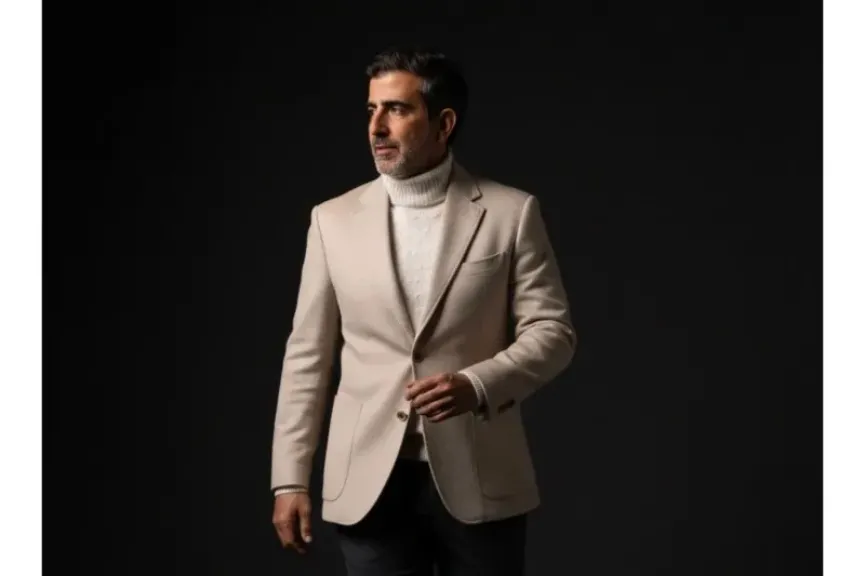
Entrepreneur Samer Choucair said the stability of technical and administrative leadership across the global sports sector has become one of the fundamental factors institutional investors consider when assessing investment risks and opportunities.
He noted that the sports industry no longer depends solely on results achieved on the field. It has evolved into an integrated economic ecosystem connected to brands, digital media, infrastructure, and entertainment.
Samer Choucair explained that recent developments in the global sports-talent market, including Jürgen Klopp’s remarks about the importance of family stability in shaping his professional continuity, reflect a shift in how sports assets are assessed.
The personal and human considerations affecting senior sporting figures have become part of the risk calculations examined by investors.
“Institutional investors now evaluate leadership stability with the same rigour they apply to cash flows, because any disruption in technical leadership can directly affect the value of associated sports assets, brand strength, and the ability to generate sustainable returns,” Samer Choucair said.
Choucair noted that the global sports industry is experiencing rapid growth, supported by rising valuations of major clubs, the expansion of broadcasting rights, the growth of digital platforms, and increasing capital flows from private investors and sovereign wealth funds into clubs, facilities, and sporting events.
He emphasized that the value of a coach or technical director is no longer limited to sporting performance.
It is increasingly connected to the individual’s ability to build a competitive organization, enhance the commercial value of a club or national team, and strengthen its appeal to supporters, sponsors, and investors.
Samer Choucair added that the global market for sporting leadership has become more competitive as demand rises for professionals capable of delivering consistent results and building long-term sporting projects.
The cost of losing such leaders extends beyond technical performance and includes the need to rebuild commercial, marketing, and investment plans.
“Markets interpret leadership stability as an indicator of long-term commitment,” Choucair said. “This is particularly important for major sports projects with investment cycles extending beyond a decade and requiring a clear vision and operational continuity.”
He explained that the growing involvement of sovereign wealth funds and institutional investors in sport has made governance and operating stability central priorities in investment decisions.
Sports assets are increasingly managed according to a long-term investment perspective rather than solely through the logic of short-term competition.
Samer Choucair identified the Gulf region as one of the clearest examples of this transformation, particularly as sport becomes more closely linked to economic-diversification strategies and Saudi Vision 2030.
Substantial investments in clubs, infrastructure, and international tournaments are intended to build a sustainable sports industry extending beyond domestic competition.
Choucair emphasized that technical leadership stability is an important factor in protecting these investments and strengthening the ability of sports projects to attract supporters, sponsors, sports tourism, and foreign direct investment.
“Sovereign wealth funds allocating capital to sport are seeking assets capable of creating long-term value,” Samer Choucair said. “That requires a stable environment and leaders who can develop sports brands rather than merely deliver temporary results.”
He noted that investors are showing greater interest in sports assets with diversified business models based on broadcasting rights, sponsorship, e-commerce, fan experiences, and digital platforms.
Leadership stability plays a central role in preserving the continuity of these revenue streams.
Choucair explained that repeated changes in technical management can increase the risk premium demanded by investors and weaken the confidence of commercial partners and sponsors.
Stable leadership, by contrast, improves the ability of clubs and sports projects to plan, expand, and execute long-term strategies.
He added that digital transformation and the growing use of artificial intelligence and data analytics in sport further increase the importance of leaders capable of integrating technology with sporting and commercial performance, creating new sources of value and growth.
Samer Choucair emphasized that sport can become an investment asset combining structural growth with operating stability when the right leadership is in place.
Without clear vision and continuity, however, sports investments can become highly volatile.
He noted that the next phase will bring greater investor scrutiny of non-financial factors in sports transactions, including governance quality, management stability, and the ability of organizations to retain world-class talent.
Choucair explained that future opportunities will not be limited to investment in major clubs.
They will also include developing local leadership, improving sports-management models, and building digital infrastructure capable of supporting the sector’s long-term growth.
He emphasized that Gulf countries have a substantial opportunity to strengthen their position as global centres for sport and entertainment by creating more sustainable working environments for international talent and connecting sports investment to economic and digital transformation.
Concluding his remarks, Samer Choucair said capital naturally flows toward assets combining growth with stability, and sport will increasingly require investors to understand the relationship between leadership quality and investment value.
He added that the ability to interpret these dynamics will be decisive in identifying successful opportunities within the global sports industry as its connections with the digital economy, economic diversification, and emerging investment markets continue to expand.