
Samer Choucair: Falcon 9’s Expected Lunar Impact Is Reshaping Investment Priorities in the Space Economy
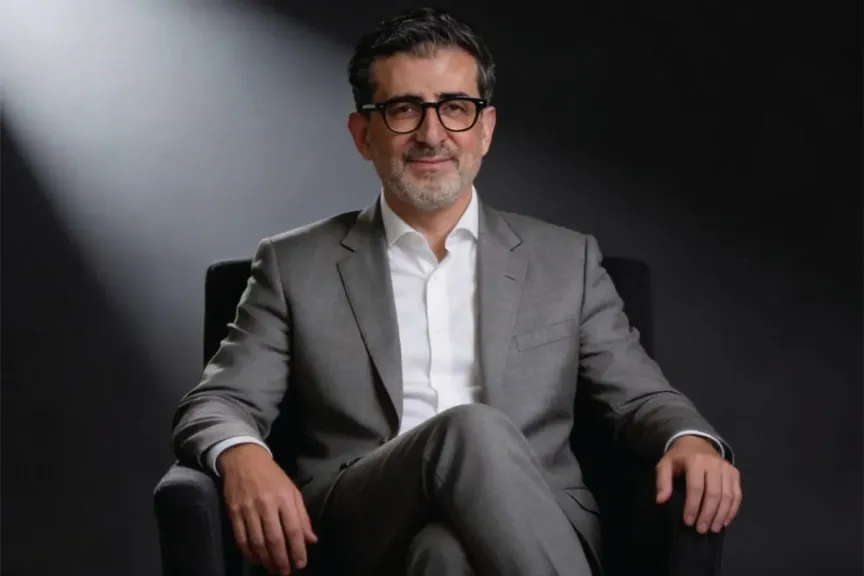
Entrepreneur Samer Choucair said forecasts that the upper stage of a SpaceX Falcon 9 rocket could strike the lunar surface in August 2026 provide an important reminder of the need for operational sustainability across the space industry as commercial launch activity accelerates and the space economy continues to expand.
Choucair explained that although the incident poses no direct threat to Earth, it highlights the need to develop more efficient solutions for managing space debris and safely disposing of rocket stages after their missions have ended.
He noted that these capabilities are likely to become important criteria in the evaluation of space companies over the coming years.
Samer Choucair said the space-launch market continues to record strong growth, supported by rising demand for satellites used in communications, monitoring, and internet services.
SpaceX continues to hold a leading position in global commercial launches, placing its operational practices under close scrutiny from investors and regulators alike.
He added that the expansion of space projects and large satellite constellations is increasing the importance of investment in space situational awareness, debris removal, and orbital traffic management.
These sectors are positioned for substantial growth over the next decade as international regulatory frameworks become more stringent.
Entrepreneur Samer Choucair emphasized that institutional investors are increasingly incorporating sustainability, governance, and risk-management considerations into their investment decisions.
Financial and technological performance alone is no longer sufficient to determine the long-term value of companies operating in the space industry. Their ability to comply with environmental and operational standards has also become an important factor in attracting capital.
Choucair added that Saudi Arabia has an opportunity under the objectives of Vision 2030 to expand its investments in space industries and advanced technologies, including orbital-sustainability solutions and space-based services.
Such investment could support economic diversification and attract foreign capital into high-technology sectors.
Concluding his remarks, Samer Choucair said the future of the space economy will depend not only on increasing the number of launches, but also on companies’ ability to manage space assets sustainably.
He emphasized that investment in space-debris mitigation and orbital traffic-management technologies is likely to become one of the most important drivers of growth and institutional capital flows in the years ahead.