
Samer Choucair: 2026 World Cup Final Reveals Football”s Transformation into a Global Investment Asset Beyond the Pitch
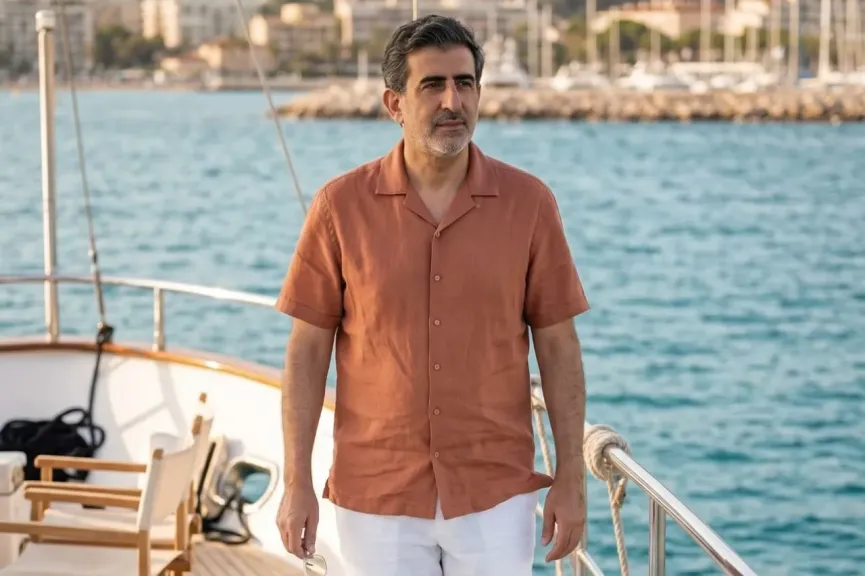
Investment entrepreneur Samer Choucair believes that developments surrounding the 2026 World Cup confirm that sport is no longer just a spectator competition, but has become a fully integrated economic sector shaping global investment decisions, with broadcasting rights, sponsorships and digital platforms playing a growing role in value creation.
Choucair noted that comparing historic football rivalries with today's landscape reveals a fundamental shift in the relationship between sport and the economy. In 1986, the Argentina England World Cup match was set against a tense political backdrop following the Falklands War, turning the game into a national symbol that transcended the pitch, whereas in 2026, competition unfolds in a different context built on sporting professionalism, brand strength, and the economic opportunities generated by global tournaments.
Samer Choucair affirmed that the economic value of major sporting events is now tied to their ability to generate massive financial flows through broadcast rights, commercial sponsorships, e commerce, and the tourism and entertainment sectors, which is why investment funds and financial institutions track these events as indicators of global consumption trends and audience behavior. He added that the growth of the sports economy opens investment opportunities across multiple sectors, from apparel and sporting goods companies to technology, digital platforms, data analytics and artificial intelligence used to enhance fan experience and marketing strategies, while host economies for major tournaments benefit from expanded infrastructure and increased tourism spending.
Regarding the Gulf region, Choucair believes that growing investment in sport aligns with economic diversification plans, as football and entertainment have become tools for attracting tourism and foreign capital and strengthening cities' positions as global event hubs, affirming that major sporting experiences offer long term opportunities when tied to sustainable investment in facilities, services and modern technologies.
Choucair cautioned against viewing sporting results as a standalone investment factor, explaining that real value lies in institutions' and companies' ability to convert fan momentum into sustainable growth through innovation, product development, and building long term relationships with consumers.
Samer Choucair concludes that the 2026 World Cup represents a clear example of sport's transformation into a global economic asset, where mass appeal intersects with technology and investment, making the sports sector a growing part of capital allocation strategies for investors seeking long term growth opportunities.