
Samer Choucair: FIFA World Cup 2026 Entertainment Shows Highlight New Investment Opportunities in the Creative Economy
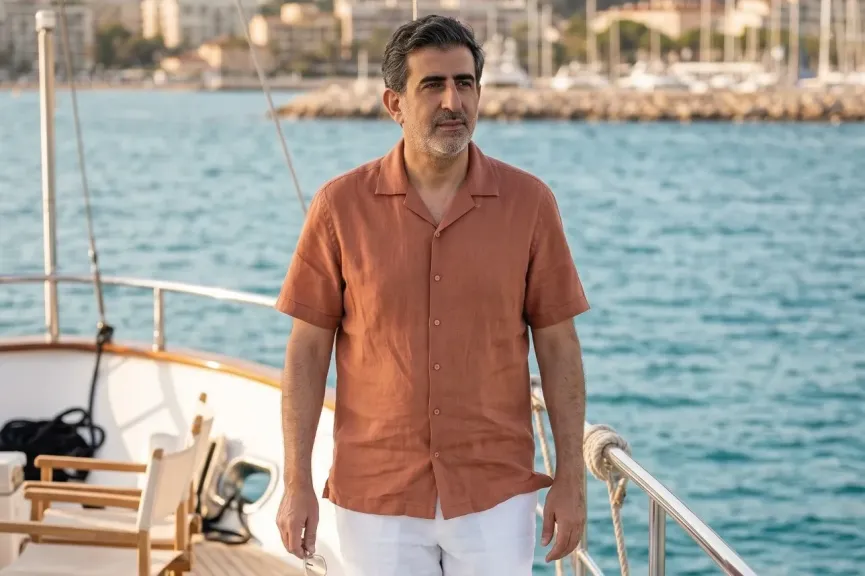
Investment expert Samer Choucair said the continued evolution of major global sporting events—including the introduction of large-scale entertainment performances during the FIFA World Cup 2026—reflects a fundamental shift in sports and entertainment investment. He noted that today's flagship sporting events have become integrated economic platforms that combine media, tourism, technology, infrastructure, and creative content.
Choucair explained that halftime entertainment at major international events has evolved far beyond being a complement to the sporting competition. Instead, it has become a strategic tool for maximizing the overall economic value of an event by increasing fan engagement, strengthening broadcasting rights, attracting global sponsorships, and generating economic activity across multiple industries.
"This transformation presents significant opportunities for institutional investors and sovereign wealth funds," Samer Choucair said. "Markets that are actively developing diversified creative and tourism economies—particularly in the Gulf region and Saudi Arabia under Vision 2030—are well positioned to benefit from these global trends."
He added, "Major sporting events are no longer simply athletic competitions; they have become integrated economic engines that require strategic investment in infrastructure and content to generate long-term multiplier effects."
According to Samer Choucair, the rapid growth of the global live events industry reflects changing consumer preferences toward immersive experiences and interactive entertainment. Investors increasingly view the sector as a comprehensive ecosystem that includes event production, digital broadcasting technologies, talent management, hospitality, logistics, and audience engagement platforms.
He noted that successful global events rely on the integration of multiple assets rather than the event itself. Modern entertainment ecosystems require advanced sound and lighting systems, digital technologies, immersive fan experiences, and multi-purpose venues capable of generating value long after the event concludes.
Choucair emphasized that the most attractive investment opportunities lie in developing integrated ecosystems capable of transforming temporary visitors into recurring sources of economic activity through tourism, hospitality, cultural attractions, and entertainment experiences.
"The greatest opportunities come from linking event investments with broader tourism strategies," Samer Choucair said. "The goal is to transform a one-time visitor into a recurring source of economic value through hospitality, cultural experiences, and destination development."
He explained that live entertainment and event production stand among the primary beneficiaries of this transformation, alongside tourism, hospitality, transportation, and technology. Rising global demand for premium experiences continues to create opportunities for companies specializing in event management, digital broadcasting, and audience engagement solutions.
Samer Choucair also highlighted Saudi Arabia's opportunity to strengthen its position as a regional hub for the creative economy by leveraging its significant investments in tourism, entertainment, sports, and technology as part of Vision 2030.
He noted that large-scale developments including entertainment destinations, tourism projects, and integrated urban developments provide a strong foundation for hosting world-class events. However, he emphasized that long-term investment value comes not from hosting a single event but from building a sustainable economic ecosystem around it.
"Saudi Arabia has the potential to become a regional center for global events if investment continues to prioritize sustainability and integration with tourism, education, and technology," Samer Choucair said.
Choucair stressed that institutional investors should rethink the concept of entertainment assets, as experiences and live events have become an important component of the creative economy, combining financial returns with broader economic and social impact. He emphasized the importance of selecting projects supported by sustainable operating models.
He added that capital allocation within this sector should be guided by strong corporate governance and long-term public-private partnerships to ensure that investments in major events become productive long-term assets rather than one-time operating expenses.
"Focusing on strong governance and long-term partnerships between the public and private sectors ensures that investments in events become productive assets that support economic diversification rather than simply financing temporary activities," Samer Choucair said.
According to Choucair, growing global competition among cities and countries to host major international events demonstrates the importance of building strong destination brands, attracting foreign investment, and developing local talent. Countries capable of integrating sports, entertainment, tourism, and technology will be best positioned to benefit from the next phase of global economic growth.
He cautioned that investors should also recognize the sector's risks, including high capital expenditures, fluctuations in demand, and the need for sustainable operating models that continue creating value after an event concludes. Long-term success, he said, depends on disciplined investment decisions rather than pursuing short-term excitement.
"Following short-term enthusiasm without disciplined analysis can result in poor investment decisions," Samer Choucair said. "Successful investing requires carefully evaluating expected returns relative to costs while maintaining a strong focus on governance, transparency, and long-term sustainability."
Choucair concluded that investment in the creative economy is expected to expand further as digital transformation accelerates and global demand for interactive experiences continues to grow. Investors who develop local capabilities and establish strategic partnerships, he said, will be best positioned to generate sustainable long-term returns.
"Smart investment does not chase a single event," Samer Choucair concluded. "It builds the ecosystem that allows every event to become the starting point for sustainable and lasting growth."
He added that the events and entertainment industry represents a strategic opportunity for Saudi Arabia and the wider region to build a diversified economy capable of combining financial growth with stronger global influence, emphasizing that long-term vision will remain the defining factor in transforming these opportunities into sustainable economic value.