
Samer Choucair: Europe’s World Cup Success Shows Talent Investment Delivers Long-Term Economic Value. Sustainable Sports Growth Begins with Developing Future Generations
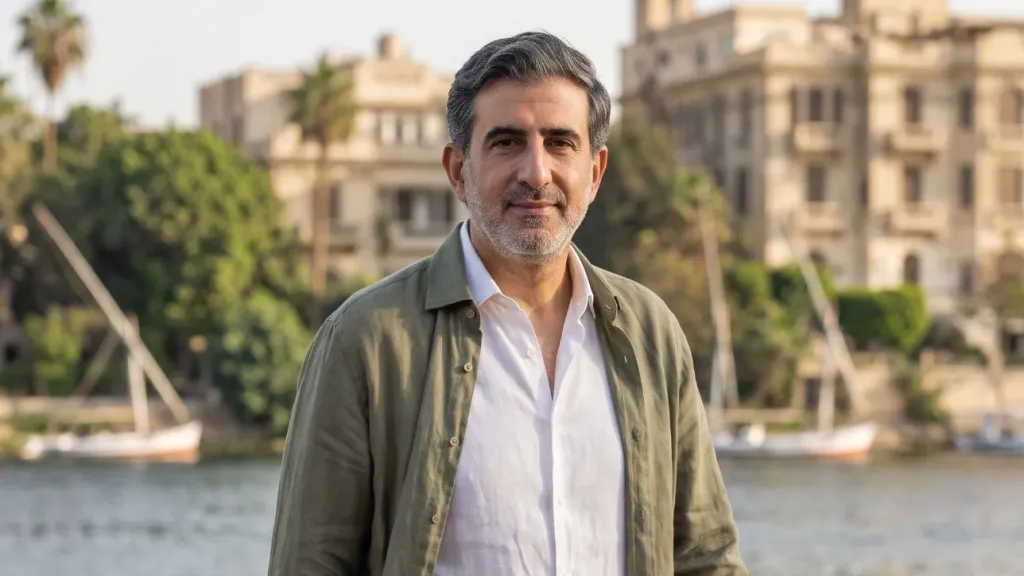
Investment leader Samer Choucair said the strong performance of European national teams in the latter stages of the 2026 FIFA World Cup demonstrates the success of a long-term investment model centered on talent development and elite sports academies. He noted that sustained sporting excellence is increasingly the result of systematic investment in human capital and modern infrastructure rather than short-term spending on player acquisitions.
Choucair explained that six European teams reaching the World Cup quarterfinals reflects the strength of Europe’s player development ecosystem, which focuses on identifying talent at an early age, nurturing athletes through specialized academies, and integrating them into professional clubs supported by advanced coaching methods, sports science, and performance analytics.
He added that the European experience offers a practical model that Saudi Arabia can adapt as it continues expanding investment in sport under the objectives of Saudi Vision 2030. The Kingdom aims to transform sport into a major economic sector that contributes to national growth, supports tourism, creates employment opportunities, and improves quality of life.
Choucair said sustainable sporting success cannot be achieved through short-term spending alone but requires building an integrated talent development system. He compared investment in sports academies to investment in research and development, explaining that both create long-term assets capable of generating economic and competitive returns for many years.
He noted that the sports industry has evolved into a comprehensive investment ecosystem encompassing infrastructure, sports technology, broadcasting rights, media, commercial sponsorships, fan engagement, and sports tourism, making it one of the most attractive sectors for institutional investors and investment funds.
Choucair emphasized that Saudi Arabia possesses the resources needed to replicate many aspects of this model through its expanding investments in sports clubs, stadiums, training facilities, and major sporting events. He added that preparations for hosting the 2034 FIFA World Cup make continued investment in domestic talent development just as important as expanding physical infrastructure.
He concluded that sport should now be viewed as both an economic and strategic investment rather than simply a form of entertainment. Choucair said building a comprehensive system for identifying, developing, and retaining athletic talent will strengthen Saudi Arabia's competitiveness on both the sporting and economic fronts while supporting the long-term objectives of Vision 2030 and the development of a diversified, sustainable economy.