
Samer Choucair: From Football to the Global Economy. World Cup 2026 Highlights the Investment Power of Sports
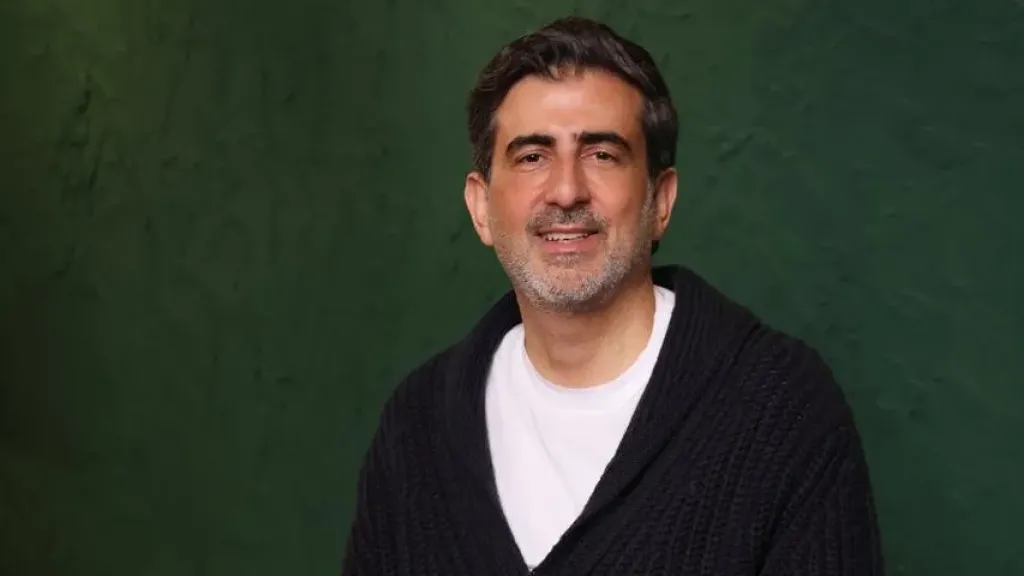
Investment expert Samer Choucair said the record revenues expected from the 2026 FIFA World Cup demonstrate that the global sports economy has become one of the most attractive destinations for long-term capital and institutional investment. He noted that the tournament offers a practical model for countries seeking to use sport as a driver of economic diversification, particularly Saudi Arabia as it prepares to host the 2034 FIFA World Cup.
Choucair explained that FIFA is expected to generate between $8.9 billion and $9 billion in direct revenue from the expanded tournament, nearly $2 billion more than the 2022 World Cup in Qatar, despite ongoing debates surrounding fixture congestion, higher ticket prices, and the tournament's impact on clubs and players.
He added that these figures demonstrate the continued strength of global demand for sports content and live entertainment, creating investment opportunities across tourism, hospitality, media, infrastructure, and sports technology.
A Business Model Reshaping the Sports Industry
Samer Choucair noted that FIFA's commercial strategy has significantly strengthened its ability to maximize revenue through direct control of its most valuable income streams, including broadcasting rights, commercial sponsorships, ticket sales, hospitality, and licensing agreements.
He explained that expanding the tournament to 48 national teams and 104 matches has generated unprecedented financial returns. FIFA's strategy—described by its leadership as effectively staging "104 Super Bowls"—has translated into exceptional demand and higher revenues.
Choucair added that more than six million tickets have already been sold, supported by dynamic pricing that ranges from approximately $60 to several thousand dollars for the final, significantly boosting overall tournament income.
He emphasized that strong consumer demand, despite concerns over player workload and scheduling, highlights the resilience and long-term growth potential of the global sports economy.
Economic Value Extends Beyond Tournament Revenue
Samer Choucair explained that the true economic value of the modern World Cup extends well beyond FIFA's direct revenues into a broad network of industries.
He noted that while the eleven U.S. host cities could collectively face budget deficits approaching $250 million because of spending on security, transportation, and logistics, the wider economic benefits are distributed across hospitality, tourism, retail, media, and digital technology.
Choucair added that commercial sponsorships, expected to generate approximately $2.7 billion during the tournament, will benefit consumer brands, technology companies, and advertising firms, while hotels and hospitality businesses continue to profit from higher occupancy rates and premium pricing. At the same time, sports technology companies are attracting growing investment in fan engagement platforms, data analytics, and virtual reality experiences.
Tourism, Hospitality, and Infrastructure Lead Growth
Samer Choucair said tourism and hospitality remain among the biggest beneficiaries of major sporting events, particularly when integrated into long-term national development strategies.
He added that Saudi Arabia is well positioned to capitalize on this model through Vision 2030, which prioritizes tourism development, increases the sector's contribution to GDP, and aims to attract millions of visitors annually.
According to Choucair, demand for sports and entertainment infrastructure—including modern stadiums, smart transportation networks, and multi-purpose venues—will continue to grow, while media and sports technology companies benefit from expanding broadcasting rights, artificial intelligence, and fan data analytics.
"The financial success achieved by FIFA despite operational challenges confirms that the sports economy has become a standalone economic sector combining entertainment, investment, tourism, and infrastructure," Choucair said. "Investors who approach this ecosystem as an integrated value chain will be best positioned to generate sustainable long-term returns."
Sovereign Wealth Funds Drive Sports Investment
Choucair noted that sovereign wealth funds have become major participants in the global sports economy, pointing to the Saudi Public Investment Fund's investments in football clubs, the Saudi Pro League, and international sponsorships as examples of a long-term strategy linking sport with tourism, entertainment, and soft power.
He added that more than 900 sports sponsorship agreements, including 194 in football alone, together with the Fund's role as an official partner of the 2026 FIFA World Cup, demonstrate a sustained commitment to building an integrated sports economy.
Choucair emphasized that institutional investors and family offices should allocate part of their portfolios to sports-related and experiential assets while maintaining strong governance and sustainability standards.
"The real investment opportunity is not a single tournament," he said. "It lies in building a comprehensive ecosystem that includes hospitality, entertainment real estate, and sports technology in line with the objectives of Vision 2030."
Risks and Opportunities
Samer Choucair acknowledged that while the sports economy offers compelling opportunities, investors must also consider challenges including congested competition schedules, operational pressures on clubs and athletes, rising infrastructure costs, and the need to ensure long-term utilization of sporting facilities after tournaments conclude.
He added that these challenges also create opportunities in technology solutions, sustainable tourism developments, and specialized sports investment funds, emphasizing that long-term success depends on focusing on asset quality, governance, and sustainability rather than short-term gains.
Looking Ahead
Concluding his remarks, Samer Choucair said Saudi Arabia's preparations for the 2034 FIFA World Cup are expected to accelerate investment in stadiums, hotels, transportation networks, and major tourism destinations, including the Red Sea projects and NEOM, reinforcing the Kingdom's position as a global hub for sports tourism and entertainment.
He added that the coming years will present substantial opportunities through government tenders, public-private partnerships, sports technology startups, and the expansion of financial products linked to the entertainment industry.
Choucair concluded by saying that the 2026 FIFA World Cup is no longer simply a sporting event but a powerful economic model demonstrating how sport has become a fundamental pillar of the global economy. Investors who begin building strategic positions in Saudi Arabia today, aligned with Vision 2030, will be best placed to benefit from the continued expansion of the global sports economy over the coming decades.