
From the World Cup Pitch to Global Markets: Samer Choucair Highlights the Future of Investment in Sports Performance Technologies
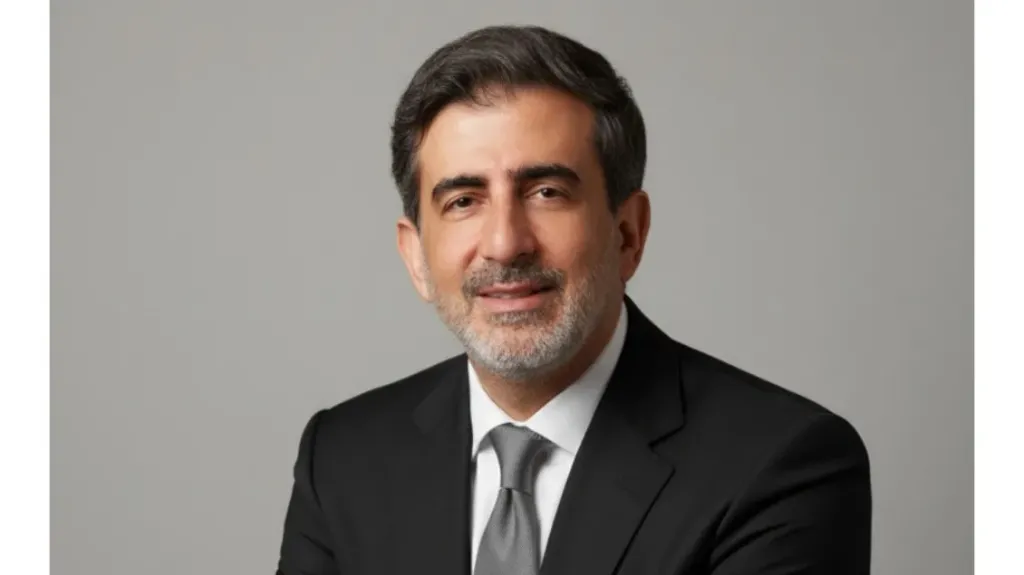
Investment expert Samer Choucair said the exceptional physical demands placed on referees during the 2026 FIFA World Cup reflect a fundamental transformation in the global sports industry, where physical performance and human optimization technologies have become integral components of a rapidly expanding economic ecosystem extending far beyond competition itself.
Choucair explained that referees covering between 10 and 12 kilometers during a single match while operating under intense physical, mental, and environmental pressure illustrate the growing demand for sports medicine, performance technologies, wearable devices, and artificial intelligence solutions. He noted that these trends are creating attractive long-term investment opportunities for institutional investors and sovereign wealth funds, particularly as Saudi Vision 2030 positions sports and entertainment among the Kingdom's key drivers of economic diversification.
The Evolution of Human Performance Economics
Choucair said images of World Cup referees managing matches with yellow, red, and green cards represent more than officiating excellence—they demonstrate how professional sport has evolved into a technology-driven industry where physical performance directly influences the quality and integrity of competition.
He explained that elite referees now undergo sophisticated training programs supported by wearable sensors, biometric monitoring, data analytics, and artificial intelligence capable of tracking physical performance, fatigue levels, recovery, and decision-making efficiency.
"Elite physical performance is no longer simply an athletic requirement," Choucair said. "It has become a reflection of the growing human performance economy, creating significant investment opportunities across sports science, healthcare, technology, and advanced infrastructure."
Investment Implications Across the Sports Economy
According to Choucair, rising performance standards at major international sporting events are driving investment toward sports medicine, rehabilitation centers, digital fitness platforms, wearable health technologies, and AI-powered performance monitoring systems.
He noted that institutional investors are increasingly recognizing these industries as long-term structural growth opportunities rather than niche healthcare segments.
"Investment in sports health has evolved beyond specialized medical services," Choucair said. "It now represents an important part of the real economy, where innovation and technology improve both human performance and long-term productivity."
Key Beneficiaries of the Transformation
Choucair identified sports technology companies as among the primary beneficiaries of this trend, particularly businesses developing wearable performance devices, athlete monitoring systems, intelligent coaching platforms, and advanced performance analytics.
He added that sports infrastructure will continue expanding through investment in smart stadiums, modern training facilities, and integrated sports complexes designed to support athletes, officials, and fans alike.
Sports tourism is also expected to benefit from the continued growth of international tournaments, driving demand across hospitality, transportation, and entertainment industries.
Meanwhile, sports healthcare—including injury prevention, rehabilitation, recovery, and performance optimization—is expected to experience sustained long-term expansion as professional and amateur athletes increasingly adopt data-driven medical solutions.
Investing in Human Capital
Choucair emphasized that institutional investors are allocating increasing amounts of capital toward companies developing technologies that enhance physical performance, accelerate recovery, and reduce injury risks.
He argued that investment in human capital has become one of the most valuable long-term drivers of economic growth.
"Economies that invest simultaneously in people and technology will be best positioned to achieve sustainable growth over the coming decades," he said.
The Gulf's Expanding Competitive Position
Choucair noted that the Gulf region, led by Saudi Arabia, has established an increasingly competitive position within the global sports economy through significant investment in sports infrastructure, international tournaments, and entertainment projects.
He highlighted the role of the Public Investment Fund in supporting sports initiatives and attracting global sporting events, creating opportunities for companies operating in sports technology, sports medicine, facility management, and commercial partnerships connected to international competitions.
Risks and Opportunities for Investors
Choucair acknowledged that while the sector offers significant long-term growth potential, investors should remain aware of evolving regulatory frameworks governing international competitions, climate-related challenges affecting outdoor sporting events, and the rapid pace of technological innovation that requires continuous investment and adaptation.
Nevertheless, he believes the opportunities substantially outweigh the risks as the global sports economy continues expanding alongside rising demand for digital technologies, healthcare innovation, and performance optimization.
Looking Ahead
Choucair concluded that the physical excellence displayed by World Cup referees sends an important message to investors about the future direction of the sports economy.
He said the next phase of industry growth will depend not only on investment in stadiums and sporting venues, but also on building integrated ecosystems combining artificial intelligence, sports medicine, wearable technologies, digital infrastructure, and human capital development.
He added that Saudi Arabia, supported by the ambitions of Vision 2030, possesses the resources and strategic direction needed to become a global hub for the sports economy, encouraging investors to pursue long-term investments capable of generating sustainable economic value for both the Kingdom and the wider region.