
Samer Choucair: Geothermal Energy Could Become Saudi Arabia”s Next Strategic Bet for Building a Clean and Sustainable Power System
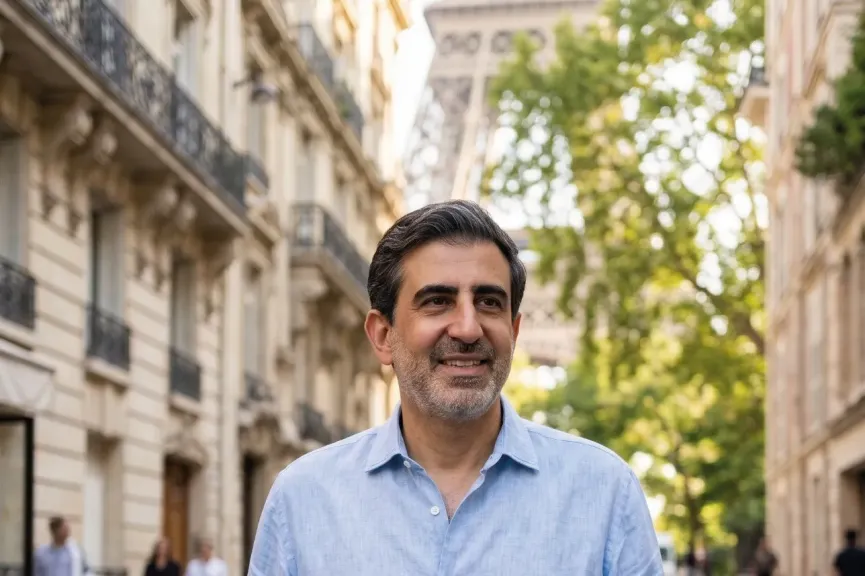
Investment leader Samer Choucair said Saudi Arabia is entering a new phase in diversifying its energy mix—one that extends beyond solar and wind power to include geothermal energy, one of the world's most reliable renewable energy sources capable of delivering continuous, around-the-clock electricity.
Choucair explained that this direction aligns closely with Saudi Vision 2030, which aims to generate 50% of the Kingdom's electricity from renewable sources by 2030 while achieving net-zero carbon emissions by 2060. Unlike solar and wind energy, geothermal power offers a significant competitive advantage by providing uninterrupted baseload electricity regardless of weather conditions.
**A Natural Resource Beneath the Surface**
Choucair noted that Saudi Arabia possesses promising geological conditions for geothermal development, particularly along the Red Sea coast and within its volcanic lava fields, known locally as *Harrat*, especially the Harrat Rahat. These regions benefit from elevated geothermal heat flow associated with the tectonic activity of the East African Rift System.
He added that specialized studies indicate the Kingdom has substantial potential not only for electricity generation but also for heating and cooling applications. Medium- and low-temperature geothermal resources could play an important role in desalination and district cooling—two of Saudi Arabia's most energy-intensive sectors.
According to Choucair, geothermal energy represents a strategic complement to the Kingdom's ambitious renewable energy targets of 58.7 GW of solar capacity and 40 GW of wind capacity by providing stable baseload power that strengthens grid reliability, reduces domestic oil consumption for electricity generation, and frees additional hydrocarbons for export or higher-value industrial uses.
**New Investment Opportunities**
Choucair said expanding geothermal energy sends a positive signal to institutional investors and sovereign wealth funds seeking greater diversification within the energy sector.
He noted that the initiative is supported by major organizations including Public Investment Fund, Saudi Aramco, TAQA, as well as international partnerships with firms such as Reykjavik Geothermal. He added that TAQA Geothermal aims to develop up to one gigawatt of geothermal generation capacity, creating significant investment opportunities across exploration, drilling, and project development.
Choucair also highlighted the potential for Saudi-listed engineering companies and deep-drilling technology providers to benefit from increased demand, alongside companies specializing in binary-cycle geothermal systems that efficiently utilize lower-temperature geothermal resources. These developments could also accelerate innovation, sustainable project financing, and the issuance of green bonds.
**Industries Positioned to Benefit Most**
Choucair said several industries stand to benefit from the geothermal transition, beginning with utilities and energy companies. Organizations such as TAQA, Saudi Aramco, and ENOWA have significant opportunities to deploy geothermal solutions, particularly in district cooling, where geothermal energy could substantially reduce electricity costs in hot climates.
He added that desalination and infrastructure projects could also benefit by using geothermal energy to power water treatment facilities, reducing dependence on natural gas.
Large-scale tourism and industrial developments—including NEOM and the The Red Sea Project—are expected to benefit from a continuous source of clean energy. Meanwhile, the manufacturing sector could experience increased demand for drilling equipment, sensors, and geothermal technologies, leveraging Saudi Aramco's decades of expertise in advanced drilling operations.
Conversely, producers supplying natural gas for electricity generation may gradually face competitive pressure, although Choucair emphasized that the transition is likely to occur gradually, allowing investment to shift toward green hydrogen and carbon capture technologies.
**Positive Macroeconomic Implications**
Choucair noted that geothermal development comes at a time of rapidly growing domestic electricity demand, while Saudi Arabia continues working toward its objective of reducing carbon emissions by approximately 278 million metric tons of CO₂ equivalent by 2030.
He explained that geothermal energy strengthens long-term energy security, reduces exposure to fossil fuel market volatility, and creates future opportunities for exporting Saudi expertise and technology throughout the Gulf region.
"Developing geothermal energy in Saudi Arabia represents a strategic transformation that combines the Kingdom's world-class drilling expertise with its economic diversification objectives," Choucair said. "For institutional investors, it offers a sector capable of delivering relatively stable long-term returns, particularly with strong government backing and international partnerships."
He added, "In an environment of changing interest rates, green infrastructure projects supported by predictable cash flows are becoming increasingly valuable tools for managing geopolitical and climate-related risks."
**Challenges Remain**
Choucair acknowledged that geothermal energy still faces several challenges, including high upfront exploration costs, complex geological surveys, and the need for more comprehensive regulatory frameworks to support industry expansion.
He also noted that geothermal development remains at an earlier stage than solar and wind energy in Saudi Arabia.
However, he stressed that these challenges do not diminish the sector's long-term potential but instead underscore the importance of patient capital, strategic planning, and disciplined investment.
**Strong Long-Term Growth Prospects**
Choucair believes the sector's future opportunities extend across cooling systems, desalination, and strengthening Saudi Arabia's position as a regional clean energy hub.
He added that successful geothermal projects could attract additional foreign direct investment while supporting future initial public offerings by companies operating in green technologies and related supply chains.
**A Strategic Outlook for Investors**
Choucair encouraged institutional investors to closely monitor developments involving TAQA Geothermal, research conducted by King Abdullah University of Science and Technology, and opportunities emerging throughout Saudi Arabia's geothermal supply chain and technology partnerships.
He believes continued progress under Vision 2030 could position geothermal energy as one of the Kingdom's most important long-term growth sectors, offering investors an attractive balance between financial returns and sustainability in the post-oil economy.
**Geothermal Energy: A New Strategic Frontier**
Concluding his remarks, Choucair said geothermal energy represents one of Saudi Arabia's most ambitious opportunities in the energy sector because it combines the Kingdom's natural geological resources, decades of drilling expertise, and commitment to building a low-carbon economy.
"The question is no longer whether Saudi Arabia can harness the heat beneath its surface," he said. "The real question is how quickly these natural advantages can be transformed into successful commercial projects. The early indicators are increasingly encouraging, supported by strong political commitment, ambitious investment capital, and international partnerships capable of accelerating the development of a new clean energy industry within the Kingdom."