
Samer Choucair: Stadium Economics Enters the Era of Smart Revenue with the 2026 World Cup
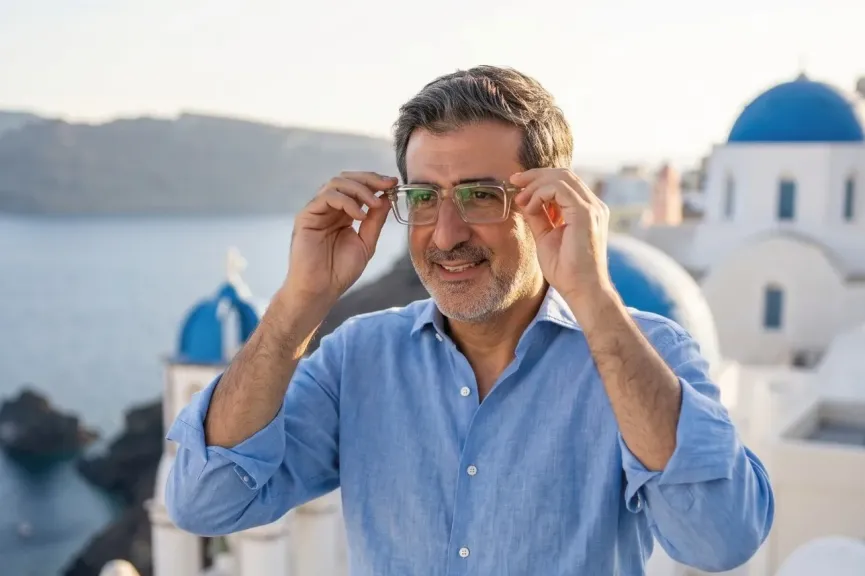
Investment entrepreneur Samer Choucair believes that the economics of major sporting events are undergoing a fundamental transformation. Stadiums are no longer simply venues for hosting matches; they have evolved into integrated economic platforms that generate revenue from multiple sources, including hospitality, food and beverage services, digital solutions, and immersive entertainment experiences.
Data on food and beverage prices across stadiums hosting the 2026 FIFA World Cup highlights significant differences between host cities. Prices for basic items range from just a few dollars to premium offerings worth several dozen dollars, depending on local market dynamics and operating models. According to Choucair, these figures demonstrate that fan experience management has become a critical factor in maximizing returns on sports infrastructure investments.
Choucair emphasized that the investment value of modern stadiums is no longer determined solely by construction costs, but by their ability to generate recurring cash flows long after tournaments conclude. This is achieved through hospitality services, year-round events, commercial spaces, and technology-driven operational efficiency.
He added that institutional investors and sovereign wealth funds increasingly view sports infrastructure as a distinct asset class capable of delivering both financial returns and broader tourism and cultural benefits. He noted that technology plays a central role through digital payment systems, smart ordering platforms, and fan data analytics that enhance the visitor experience while increasing average spending per attendee.
Choucair explained that the United States' approach to hosting the 2026 FIFA World Cup offers valuable lessons for countries preparing to stage future global tournaments, particularly Saudi Arabia ahead of the 2034 FIFA World Cup as part of Saudi Vision 2030. He stressed that the key challenge will be developing an operating model that balances profitability with a high-quality fan experience.
He further noted that Saudi Arabia's sports investments should not be assessed solely by the cost of building stadiums, but by their ability to create a broader economic ecosystem encompassing tourism, hospitality, retail, entertainment, technology, and logistics, thereby increasing the sports sector's contribution to the national economy.
Choucair emphasized that future opportunities will favor companies capable of delivering integrated solutions for sports venue management, fan engagement technologies, and multi-purpose facility operations. He added that the stadiums of the future will resemble small cities operating throughout the year rather than facilities active only on match days.
Concluding his remarks, Samer Choucair stated that the 2026 FIFA World Cup provides a clear example of how sports have evolved from a competition-based industry into a broad investment ecosystem. He stressed that countries capable of integrating sports infrastructure with tourism and entertainment economies will be best positioned to generate long-term value from global sporting events.