
Samer Choucair: Saudi Arabia”s Global Leadership in Cybersecurity Strengthens Its Position as a Strategic Destination for Digital Economy Investment
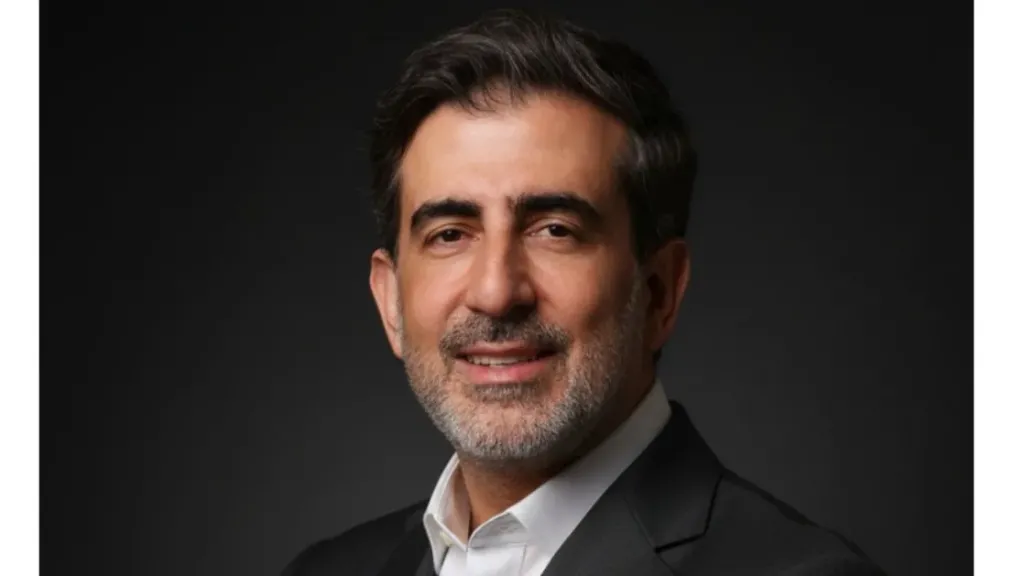
Investment entrepreneur Samer Choucair stated that Saudi Arabia's retention of the world's top position in cybersecurity in the 2026 World Competitiveness Yearbook published by the International Institute for Management Development (IMD), for the third consecutive year, reflects the Kingdom's institutional progress under Saudi Vision 2030 and demonstrates the readiness of its digital infrastructure to attract a new wave of investment in the digital economy.
Choucair explained that this achievement is no longer viewed as merely a technical indicator, but as a significant economic and investment advantage that enhances investor confidence in Saudi Arabia's digital environment and creates opportunities for expanding investment in artificial intelligence, cloud computing, cybersecurity, and digital transformation.
*Advanced Digital Infrastructure Supporting Economic Growth
Choucair noted that Saudi Arabia's leadership in the global cybersecurity rankings reflects the success of building a comprehensive digital ecosystem capable of addressing cyber threats, making cybersecurity a fundamental pillar for supporting the digital economy and attracting foreign direct investment.
He added that the rapid pace of digital transformation under Saudi Vision 2030, together with mega-projects such as NEOM and smart cities, has made cybersecurity one of the most essential requirements for ensuring the secure operation of advanced technologies and digital infrastructure.
Choucair emphasized that investors increasingly regard a secure digital environment as a key factor in reducing operational risks and strengthening the long-term sustainability of investments.
*Growing Investment Opportunities in Cybersecurity
Choucair explained that Saudi Arabia's top global ranking reflects the maturity of its regulatory framework and provides institutional investors and sovereign wealth funds with greater confidence to allocate capital toward digital industries.
He added that Saudi Arabia's cybersecurity market reached approximately SAR 13.3 billion (US$3.55 billion) in 2024, with continued growth expected as spending increases across critical sectors. This creates attractive investment opportunities in cybersecurity solutions and advanced digital services.
Choucair said, "Saudi Arabia's leadership in cybersecurity rankings is not simply a technological achievement; it represents a long-term capital strategy that strengthens the Kingdom's appeal as a regional hub for digital investment. Institutional investors view this regulatory stability as an opportunity to allocate larger amounts of capital to artificial intelligence and cloud computing projects while maintaining lower levels of risk."
*Technology and Financial Services Among the Biggest Beneficiaries
Choucair stressed that the technology sector stands to benefit significantly from this achievement, driven by rising demand for cloud security solutions, digital identity management, and advanced threat detection and response technologies.
He added that Saudi technology companies, alongside cybersecurity startups, have substantial growth potential. Financial services, energy, and healthcare sectors are also expected to benefit because of their growing dependence on digital infrastructure requiring advanced security capabilities.
He further noted that organizations still relying on legacy systems may face increasing challenges in meeting the requirements of Saudi Arabia's National Cybersecurity Authority, creating opportunities for mergers, acquisitions, and technology modernization.
*Increasing Capital Allocation Toward Digital Security
Choucair stated that investors are steadily increasing allocations to digital defense technologies through both sovereign wealth funds and private investment funds.
He added that the Public Investment Fund continues to support this direction by investing in innovation and advanced technologies, strengthening the technology sector within Saudi capital markets. Cybersecurity spending is expected to reach approximately US$1.8 billion by 2027.
"In today's business environment," Choucair said, "cybersecurity is no longer simply an operating expense. It has become a strategic asset that should be incorporated into portfolio allocation decisions, and Saudi Arabia offers a model that combines strong government support with an advanced regulatory framework."
*Global Competition for the Saudi Market
Choucair explained that Saudi Arabia has become a focal point for leading global cybersecurity companies competing alongside domestic firms to capitalize on the sector's rapid expansion.
He added that international partnerships with government entities, together with the Kingdom's hosting of major cybersecurity conferences and forums, further reinforce its position as a regional center for digital technologies and cybersecurity.
*Positive Impact on the Broader Economy
Choucair emphasized that this achievement coincides with the continued expansion of Saudi Arabia's non-oil economy, with cybersecurity serving as a key enabler of digital transformation and economic diversification.
He added that a strong cybersecurity ecosystem reduces the risks of digital disruptions, enhances confidence in financial markets, and increases Saudi Arabia's attractiveness to foreign investors, particularly amid ongoing geopolitical and technological challenges.
He also noted that Saudi Arabia's leadership strengthens the Gulf region's position as a regional technology hub while creating broader opportunities for cooperation in cybersecurity and the export of digital expertise and solutions to international markets.
"The countries that invest in digital security as Saudi Arabia has done," Choucair said, "will achieve long-term returns through higher productivity and stronger innovation, making the Kingdom one of the most attractive destinations for institutional investment in 2026 and beyond."
*Challenges Remain
Choucair pointed out that the rapid evolution of cyber threats, particularly with the expansion of artificial intelligence, requires continuous investment in advanced technologies and the development of highly skilled professionals capable of addressing emerging risks.
He stressed that maintaining global leadership will require sustained investment in innovation, workforce development, and regulatory advancement.
*Promising Opportunities for Growth
Choucair explained that future opportunities extend well beyond cybersecurity services to include developing locally produced cybersecurity solutions, training Saudi talent, exporting domestic expertise to regional and international markets, and supporting the expansion of artificial intelligence and secure cloud computing.
He emphasized that institutional investors and sovereign wealth funds should closely monitor partnership opportunities with Saudi cybersecurity companies while increasing allocations to digital assets within the Kingdom.
According to Choucair, the continued implementation of Saudi Vision 2030 will position cybersecurity as one of the primary drivers of sustainable economic growth, further strengthening Saudi Arabia's status as a strategic destination for investment in the digital economy.
*A Secure Digital Ecosystem
Concluding his remarks, Samer Choucair stated that Saudi Arabia's continued leadership in global cybersecurity sends a clear message to investors that the Kingdom has successfully built a secure digital ecosystem capable of supporting future investment.
He added that for strategic investors, this ranking represents an invitation to participate early in a mature digital economy supported by clear government policies, advanced infrastructure, and significant growth opportunities capable of delivering sustainable long-term returns.