
Tourism is rapidly becoming one of the defining pillars of Saudi Arabia”s economic transformation, creating a new wave of opportunities according to investment entrepreneur Samer Choucair
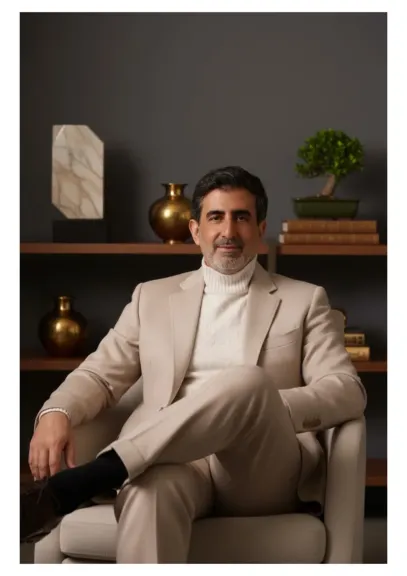
Choucair said the Kingdom's accelerating tourism growth reflects a structural shift in the national economy, with the sector emerging as a key driver of economic diversification and long-term investment under the objectives of Saudi Vision 2030.
He explained that the continued expansion of tourism facilities and visitor-related activities demonstrates the increasing attractiveness of the Saudi market for investors in hospitality, tourism real estate, and destination services. According to Choucair, the current phase is focused not only on expanding the size of the industry, but also on improving the quality of assets and services to generate sustainable long-term returns.
He noted that the steady increase in tourism establishments, alongside substantial investment in hotels, resorts, and large-scale tourism developments, signals Saudi Arabia's transition from building foundational infrastructure to developing a fully integrated tourism ecosystem capable of competing on both regional and international levels.
Choucair added that investment opportunities extend well beyond luxury hotels. Asset management, travel technology, digital booking platforms, entertainment services, and destination development all represent promising areas for growth, while the integration of these industries enhances the sector's overall economic value and strengthens its appeal to institutional investors.
He also emphasized that rising private-sector participation has become a significant contributor to the industry's expansion. With demand for diverse travel experiences continuing to grow, Saudi Arabia still offers considerable room for market expansion, operational innovation, consolidation, and the development of more efficient business models.
According to Choucair, the Kingdom's landmark tourism projects, together with the ongoing development of cultural, entertainment, and natural destinations, are creating new investment opportunities while supporting broader economic value chains across construction, transportation, business services, and advanced technologies.
He noted that international investors increasingly view Saudi tourism as a strategic long-term growth sector rather than one tied solely to traditional economic cycles, particularly as the Kingdom continues strengthening non-oil revenues and expanding the contribution of productive and service-based industries.
"The next phase will not simply be about increasing the number of tourism assets," Choucair said. "Success will depend on developing high-quality destinations, maintaining professional operational standards, and delivering visitor experiences capable of attracting sustained demand over the long term."
Concluding his remarks, Choucair said Saudi Arabia's tourism industry represents one of the region's most compelling investment opportunities over the coming years. He added that investors who prioritize premium assets, technological innovation, operational excellence, and sustainability will be best positioned to benefit from the Kingdom's continuing transformation into a leading global tourism destination.