
The 2026 FIFA World Cup highlighting the growing strength of the global experience economy, according to investment entrepreneur Samer Choucair
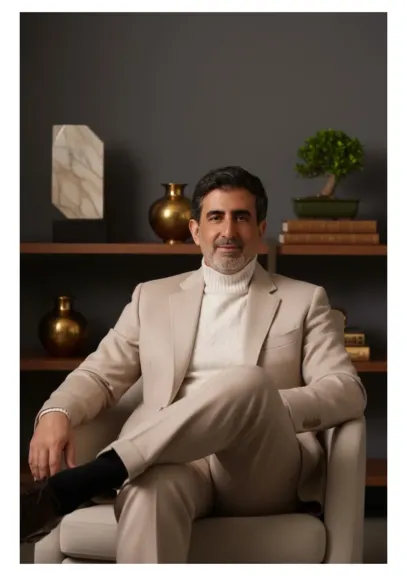
Choucair said the sharp increase in resale prices for certain World Cup tickets reflects a fundamental shift in the value of live sporting experiences, as premium global events have evolved into economic assets that generate value across tourism, entertainment, hospitality, and technology.
He explained that the significant gap between official ticket prices and secondary market valuations—particularly for high-demand matches—illustrates consumers' willingness to pay substantial premiums for unique, once-in-a-lifetime experiences that cannot be replicated digitally.
According to Choucair, the 2026 FIFA World Cup, hosted across the United States, Canada, and Mexico, is creating economic opportunities that extend well beyond football itself. Hotels, transportation providers, digital ticketing platforms, hospitality businesses, and tourism operators are all benefiting from the surge in international demand, reinforcing the resilience of the experience economy despite the rapid expansion of digital entertainment.
He noted that institutional investors increasingly view sports and entertainment as strategic components of diversified investment portfolios, driven by rising consumer spending on travel, live experiences, and premium global events, as well as the growing commercial value of internationally recognized sporting brands.
Choucair emphasized that investment opportunities are no longer limited to broadcasting rights and sponsorship agreements. Significant growth potential also exists in event infrastructure, intelligent ticket pricing technologies, digital ticket management platforms, data-driven fan engagement solutions, and innovations designed to enhance the overall spectator experience.
He added that one of the key challenges facing organizers of major international tournaments is maintaining an appropriate balance between maximizing commercial returns and ensuring accessibility for fans. Large disparities between official ticket prices and secondary market values can create regulatory concerns and reputational risks that require careful management.
Choucair said these developments offer valuable lessons for countries investing heavily in sports and entertainment. Large-scale investments in stadiums and international events should be accompanied by sustainable commercial models that maximize long-term economic value while preserving strong public participation and fan engagement.
"Saudi Arabia's continued investment in sports, tourism, and entertainment under Vision 2030 provides an opportunity to apply the lessons emerging from major international events," Choucair said. "Building successful sports ecosystems requires balancing commercial success with exceptional fan experiences to generate lasting economic returns."
Concluding his remarks, Choucair said the future of sports investment will depend not simply on hosting prestigious events, but on developing integrated ecosystems that combine technology, tourism, hospitality, and immersive fan experiences. He added that the greatest long-term value will come from transforming global sporting passion into sustainable economic growth.