
Building a Better Future: How Plastic Waste Is Being Turned into Eco-Bricks
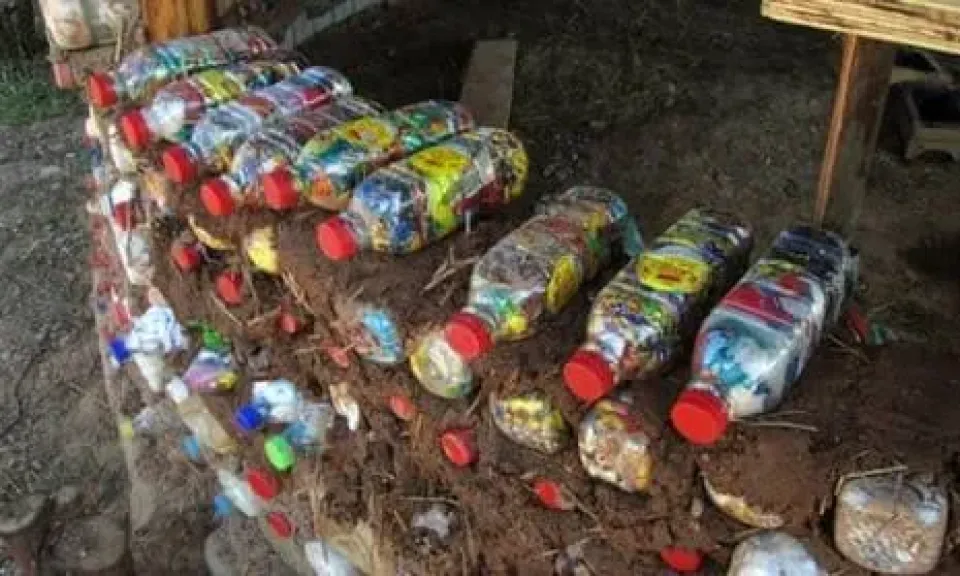
Plastic waste has become one of the world's most pressing environmental challenges. Every year, millions of tonnes of plastic are discarded, with much of it ending up in landfills, rivers, and oceans, where it can persist for centuries. As governments and industries search for sustainable solutions, innovators around the world are transforming this waste into an unexpected construction material: eco-bricks made from recycled plastic.
Unlike traditional clay bricks, which require high-temperature kilns, or concrete blocks, which generate significant carbon emissions during production, plastic-based bricks offer a way to reuse waste while reducing the environmental impact of construction. These bricks are created by collecting, cleaning, and shredding discarded plastic before mixing it with materials such as sand or other recycled aggregates. The mixture is then compressed or molded under controlled conditions to produce durable building blocks.
One of the biggest advantages of plastic bricks is their ability to divert waste from the environment. Plastic bottles, packaging, shopping bags, and other discarded materials that would otherwise pollute ecosystems are given a second life as useful construction products. This not only helps reduce landfill waste but also decreases the demand for virgin construction materials.
Many plastic bricks are also surprisingly strong. Some manufacturers have developed products that are lighter than conventional concrete blocks while maintaining impressive durability and resistance to moisture. Because they are lightweight, transportation costs can be lower, and construction can often be completed more quickly. Certain plastic bricks are also designed to interlock, reducing the amount of mortar needed and making assembly faster and more efficient.
These innovative bricks are already being used in a variety of projects, including homes, schools, walkways, public buildings, and community infrastructure. In regions where plastic pollution is severe, recycling programs that convert waste into construction materials have created new economic opportunities by generating jobs in waste collection, sorting, and manufacturing.
However, plastic bricks are not intended to replace every traditional building material. Engineers must carefully evaluate their fire resistance, long-term durability, structural performance, and suitability for different climates and building regulations. Quality standards and proper testing remain essential to ensure that recycled plastic products are safe for construction.
As technology continues to improve, plastic bricks demonstrate how waste can become a valuable resource rather than an environmental burden. By turning discarded plastic into durable building materials, innovators are addressing two global challenges at once: reducing plastic pollution and creating more sustainable methods of construction.
The growing use of recycled plastic bricks highlights an important shift toward a circular economy, where materials are kept in use for as long as possible instead of being thrown away. With continued investment, research, and public support, yesterday's plastic waste could become the foundation of tomorrow's homes, schools, an
d communities.