
Samer Choucair: The Energy Security Premium Is Reshaping Capital Allocation
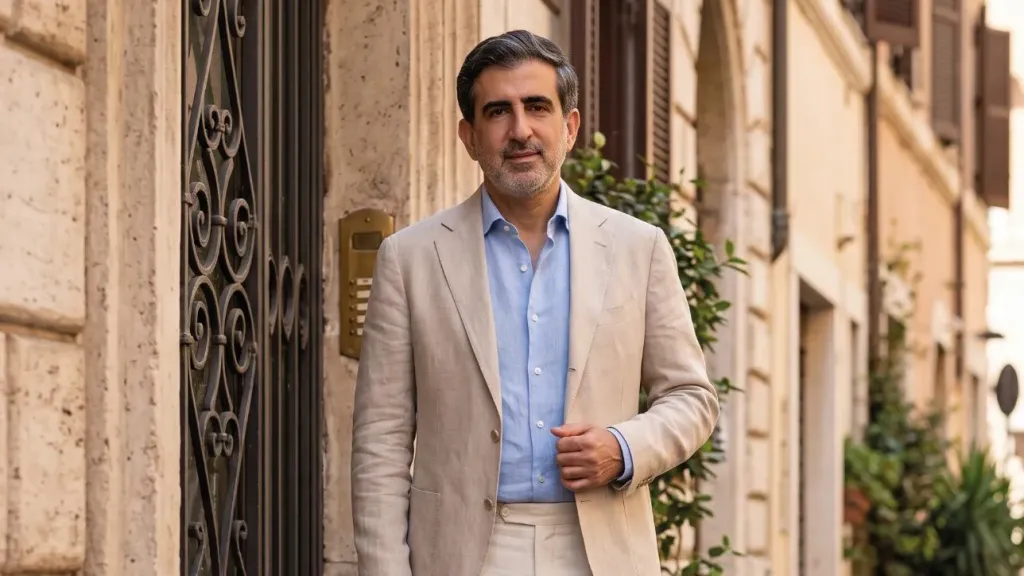
Investment leader Samer Choucair said the disruption of Saudi Arabia’s East West pipeline is repricing geopolitical risk across energy markets at a time when oil markets are already facing tanker disruptions through the Strait of Hormuz, higher fuel prices, and renewed inflationary pressures.
Samer Choucair explained that the East West pipeline had been transporting approximately four million barrels per day to the Red Sea port of Yanbu, equivalent to roughly 4% of global supply. A prolonged shutdown could therefore place additional pressure on a market where alternative routes are already limited.
Samer Choucair said: “Markets are no longer pricing only the volume of lost barrels. They are pricing the vulnerability of alternative routes. Every corridor that bypasses Hormuz has become a strategic asset, and any disruption increases the risk premium across the oil curve and raises the cost of capital for energy importing economies.”
According to estimates cited in the analysis, inventories at Yanbu could support exports for approximately five to seven days, with additional but limited volumes available at Ain Sokhna and Sidi Kerir in Egypt.
Repair estimates range from several days, according to official US statements, to between five and six weeks according to industry sources. Partial flows could potentially resume while repair work remains underway.
The disruption comes as fuel prices have climbed to record levels, with the impact of higher energy costs spreading into consumer inflation and long term US bond yields.
In equity markets, exploration, production, and refining companies may benefit from stronger margins, while airlines, transportation companies, energy intensive industries, and commercial real estate could face greater cost pressures.
Within the Saudi economy, Samer Choucair said the disruption highlights the short term sensitivity of oil revenues to security shocks despite the Kingdom’s substantial production capacity and strong balance sheet.
Oil remains an important source of funding for part of the capital expenditure associated with the Public Investment Fund and major Vision 2030 projects across infrastructure, tourism, and industry. A prolonged disruption to exports could therefore affect the pace of spending across those areas.
Samer Choucair said: “The Kingdom is not facing a solvency crisis. It is facing a test of how quickly the alternative route can be restored. Smart capital buys asset quality and repair capacity. It does not sell the entire geopolitical story.”
The disruption also reinforces the investment case for energy security infrastructure, including additional pipelines, strategic storage capacity, Red Sea ports, and domestic refining capabilities.
Samer Choucair said renewable energy and hydrogen projects also form part of this longer term strategy because they can gradually reduce dependence on a single export route.
Across financial markets, bond yields in energy importing economies could remain elevated if energy price pressures persist. Retail, energy intensive manufacturing, and commercial real estate refinancing could also face pressure on margins.
In contrast, integrated energy companies, oilfield services and equipment providers, logistics infrastructure projects, facility security companies, pipeline monitoring systems, and backup power solutions could attract greater investor attention.
Samer Choucair warned against overpricing the possibility of a permanent disruption.
He said: “History shows that Saudi oil infrastructure is often restored faster than markets assume at the height of a crisis. Investors who base allocation decisions on the actual repair timeline rather than the first headlines are better able to maintain discipline.”
The principal risks include a prolonged pipeline shutdown, attacks expanding to other facilities, continued disruption in the Red Sea, and the possibility that inflation remains elevated for longer, extending the period of restrictive monetary policy.
Samer Choucair said future market scenarios will depend heavily on the speed at which flows resume.
If part of the pipeline returns to operation within days, the peak in energy prices could ease while a geopolitical risk premium remains embedded in the market.
A shutdown lasting several weeks, however, could place greater pressure on global inventories and increase the likelihood of coordination within OPEC Plus or the release of strategic reserves.
Samer Choucair concluded: “Shocks reveal who built alternative routes before the crisis arrived. The investor who links a portfolio to an economy’s ability to restore flows rather than to a single moment of disruption remains on the right side of the cycle.”
He added that capital allocation in 2026 and beyond will require a balance between maintaining sufficient liquidity to absorb energy volatility, selective exposure to high quality energy assets, and long term investment in infrastructure and logistics security across Saudi Arabia and the wider region.
Samer Choucair also said artificial intelligence and predictive monitoring technologies can improve the management of facilities and inventories, but they should complement rather than replace physical investment in pipelines, ports, storage capacity, and other critical infrastructure.