
Samer Choucair: Ain Sokhna Is Repricing Egypt’s Position in Global Supply Chains
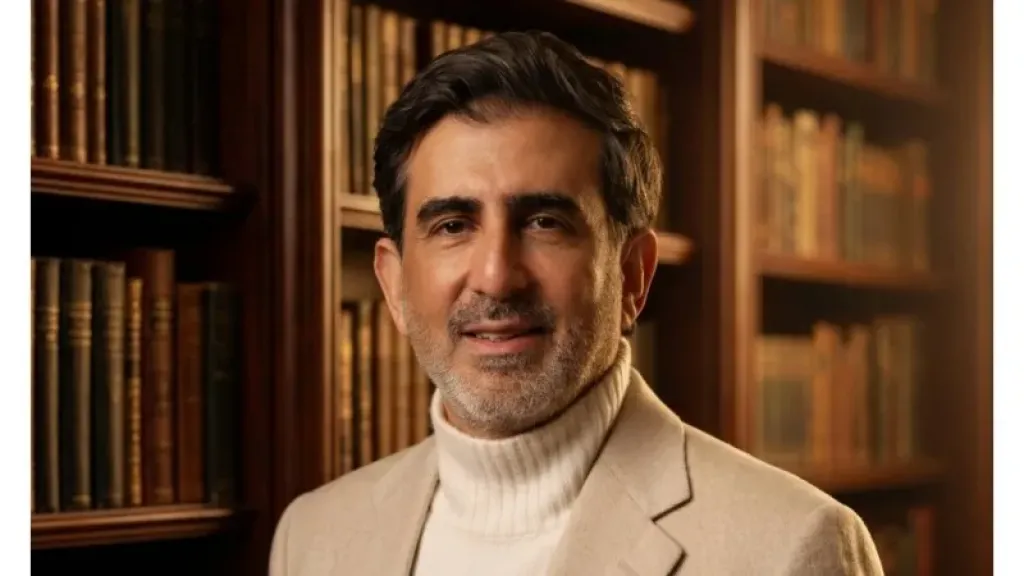
Investment leader Samer Choucair said Orascom Industrial Parks’ plan to attract around 100 factories to a new development in Ain Sokhna, supported by approximately EGP 500 million in infrastructure investment over three years and covering around 3.5 million square meters in partnership with the Suez Canal Economic Zone, represents far more than a traditional industrial land development project.
Samer Choucair said the plan signals a repricing of Egypt’s position as a manufacturing and export platform near the Suez Canal at a time when institutional capital is increasingly seeking supply chains that are shorter, less expensive, and closer to Europe, the Gulf, and Africa.
From Selling Land to Selling Time to Market
Samer Choucair explained that the new zone extends the existing Suez Industrial Development complex, which covers around 10 million square meters, has attracted approximately $12 billion in industrial investment, and includes a portfolio of more than 140 projects at different stages of operation, construction, and preparation.
He said the target of attracting 100 factories, alongside logistics and warehousing projects, means the developer is not simply selling land. It is selling ready infrastructure, shared services, proximity to ports, and access to export channels.
Samer Choucair said this model increasingly resembles specialized industrial platforms in Asia rather than conventional land development because the primary value shifts from the size of the plot to the time required to begin operations.
Capital Is Searching for Export Capacity
Samer Choucair said the plan is being developed in an economy where financing costs and exchange rate volatility remain significant factors, but these conditions can create an advantage for industries generating revenue in dollars or euros.
He explained that the EGP 500 million spent on infrastructure should not be measured solely against rental income. Its value should also be assessed through the multiplier effect created by factory investment in equipment, employment, and exports.
Choucair added that the Suez Canal Economic Zone has continued to bring new factories into operation, with the number of operating plants exceeding 200.
Samer Choucair said this reduces the risk of the development becoming an empty industrial zone and gives infrastructure funds greater visibility into future cash flows.
Green Industries Add Strategic Value
Samer Choucair said the focus on sustainable and export oriented industries, including activities linked to green hydrogen, water desalination, automotive components, and advanced materials, increases the strategic appeal of the project.
The first phase is expected to begin operations near the end of 2026, while the wider development is scheduled to extend over approximately 10 years.
Choucair said this means returns are likely to emerge gradually through rising occupancy and the appreciation of serviced land as the industrial cluster matures.
Samer Choucair stressed that green industries are no longer merely an environmental theme.
As the European Union tightens its carbon border adjustment mechanisms, documenting carbon footprints and energy efficiency is becoming increasingly important for suppliers serving European and Gulf markets.
The Gulf Sees a Supply Platform, Not an Isolated Project
Samer Choucair said Gulf investment funds are unlikely to view the project as a standalone Egyptian opportunity.
Instead, they may see it as part of a broader restructuring of supply chains linked to industrial diversification and Vision 2030.
He said potential integration between Saudi Arabia and Egypt could emerge across energy components, logistics, and industrial zone financing.
Saudi Arabia provides expanding manufacturing capacity and clean energy investment, while Egypt offers land, labor, and strategic maritime access.
Risk Is Repricing Capital
Samer Choucair warned that developing infrastructure across 3.5 million square meters requires precise coordination between the developer, the economic zone, and electricity and water providers.
Any delay in utility connections would increase the cost of capital for manufacturers.
He added that tighter global financing conditions could delay capital expenditure, while changes in rules of origin or trade agreements with Europe could alter the economics of some production lines.
Samer Choucair said transparency around occupancy, exports, and employment will be critical because regular disclosure can reduce the risk premium demanded by infrastructure funds and private credit investors.
The Long Term Investment Case
Samer Choucair concluded that the real investment case is not whether the project ultimately reaches 100 factories, but whether Egypt can convert its location and incentives into measurable productivity through faster operating timelines, lower logistics costs, and greater export content.
He said capital may initially move toward debt secured by utilities and usufruct agreements, followed by equity stakes in industrial zone developers and later by financing for equipment used by export oriented factories.
Samer Choucair added that the winners in the 2026 investment cycle and beyond will be those who allocate capital to platforms connecting manufacturing with logistics and energy rather than to isolated assets detached from value chains.
For sovereign wealth funds and asset managers, Samer Choucair said Ain Sokhna could therefore evolve from an industrial location into a regional hub for capital, production, and exports in the northern Red Sea.