
Samer Choucair: Tadawul Derivatives Are Reshaping the Risk Landscape in Saudi Equities
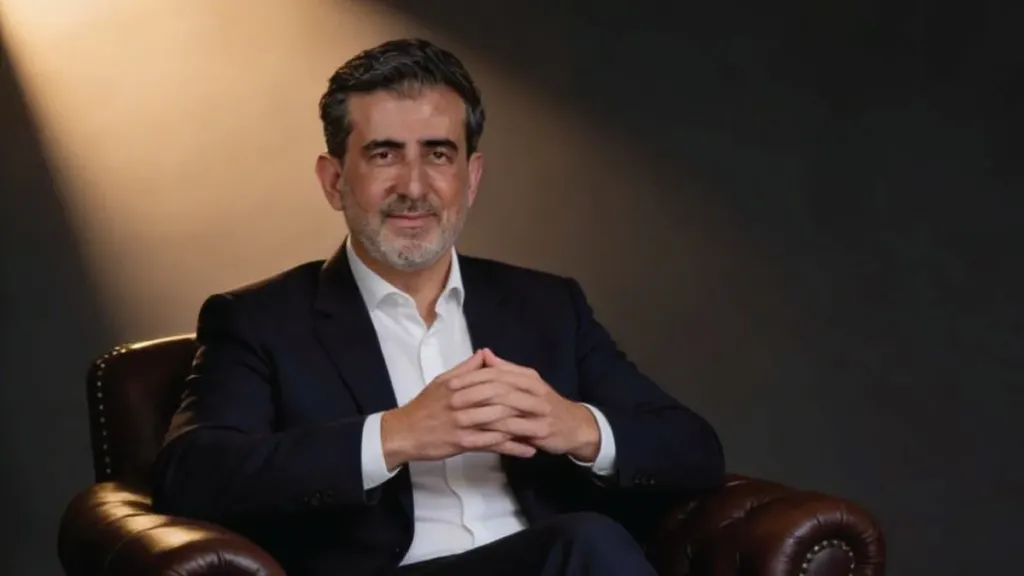
Investment leader Samer Choucair said the enhancements that have taken effect in Saudi Arabia’s derivatives market represent an important step in the market’s transition from simply providing financial products toward building a more efficient ecosystem for risk management and capital allocation, particularly following their implementation for MT30 Index Futures and Single Stock Futures from August 19, 2026.
Choucair explained that the new package includes reductions in trading, clearing, and regulatory fees, alongside a one-year waiver of futures transaction fees and final settlement fees. Additional waivers announced by Muqassa, improvements to the margin methodology, and a margin calculator available to members further strengthen the framework. The market-making structure has also been redesigned to support liquidity, with market-making activities beginning during August through multiple participants via SNB Capital.
According to Samer Choucair, the significance of these measures extends beyond simply reducing trading costs. Their greater value lies in giving institutional investors the ability to manage exposure to Saudi equities without being forced to sell their cash positions during every period of market volatility.
Index and Single Stock Futures give portfolio managers additional tools to hedge positions and redistribute risk, while more efficient margin requirements can reduce the amount of capital tied up in hedging strategies. For institutional investors, this can improve overall capital efficiency while providing greater flexibility in managing market exposure.
Choucair said preliminary data indicate that activity is beginning to improve, although the success of the initiative should not be judged solely by trading volumes during its first few days. Tadawul’s daily report for August 26 showed 285 contracts traded in one MT30 futures expiry, alongside 392 contracts in STC futures and 160 contracts in Al Rajhi Bank futures. Activity was also recorded in futures linked to Saudi Aramco, Ma’aden, Saudi National Bank, and other listed companies.
For Samer Choucair, however, the real test for the Saudi derivatives market will be whether it can maintain liquidity after the temporary fee waivers expire.
“A derivatives market does not become institutional simply because the number of contracts increases,” Choucair said. “It becomes institutional when it can provide consistent bids and offers, competitive spreads, and sufficient market depth for institutions to enter and exit positions even during periods of stress.”
The development of a deeper derivatives ecosystem could therefore have implications beyond short-term trading activity. Greater access to effective hedging instruments can help domestic and international investors manage volatility without materially changing their underlying long-term exposure to Saudi assets.
Samer Choucair concluded that the continued development of derivatives could lower the cost of risk management and strengthen the ability of both domestic and foreign investors to approach the Saudi market as a long-term investment destination.
As the market continues expanding its product range and introducing more diversified hedging instruments, Choucair believes capital efficiency and volatility management will increasingly become fundamental components in assessing the attractiveness and maturity of Saudi Arabia’s capital market, rather than merely secondary factors supporting trading volumes.