
Samer Choucair: The Rejection of “Perfection Culture” Is Redirecting Capital in Medical Aesthetics
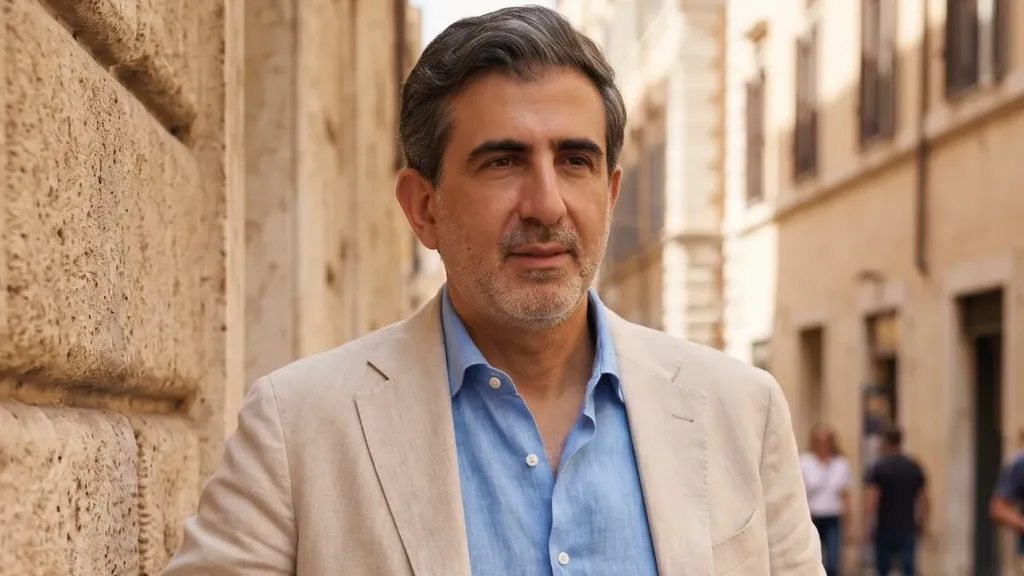
Investment leader Samer Choucair said the rejection of “perfection culture” does not mean spending on medical aesthetics is disappearing. Instead, it reflects a repricing of what consumers now consider socially acceptable, desirable, and worth paying for.
Choucair said the number of non-surgical aesthetic procedures worldwide increased by more than 50% between 2019 and 2024, according to data from the International Society of Aesthetic Plastic Surgery, or ISAPS. He argued that this growth reflects a shift away from highly visible or exaggerated cosmetic outcomes and toward recurring preventive maintenance and subtler forms of enhancement.
According to 2024 data, approximately 38 million aesthetic procedures were performed by board-certified plastic surgeons worldwide, including more than 20.5 million non-surgical procedures and around 17.4 million surgical procedures. That represented an overall increase of roughly 42.5% compared with 2020.
Samer Choucair noted that facelift procedures rose by approximately 64%, even as surgical procedures declined by 6.7% and non-surgical procedures fell by 3.1% in 2024 compared with 2023.
Demand Has Not Disappeared — It Has Changed
Choucair said a decline of roughly 17.4% in botulinum toxin procedures to around 7.9 million treatments, alongside a 5.2% increase in hyaluronic acid procedures, a 38.9% rise in non-surgical skin tightening, and a 33.3% increase in chemical peels, illustrates a clear migration in consumer spending toward what he describes as “silent enhancement.”
He said non-surgical procedures have become increasingly attractive to cautious consumers because they typically involve lower upfront costs, shorter recovery periods, and the ability to repeat treatments every few months. From an investment perspective, that can materially increase customer lifetime value.
Choucair also pointed to the growing influence of GLP-1 weight-loss drugs, which are creating new demand for skin tightening and body-contouring treatments following rapid weight loss. He said this could support demand for non-invasive devices more strongly than some traditional augmentation procedures.
Corporate Results Reveal Where Capital Is Moving
Samer Choucair said listed-company results illustrate how unevenly value is being distributed across the medical-aesthetics industry.
AbbVie’s aesthetics portfolio generated approximately $4.86 billion in revenue in 2025, down 6.1%, with Botox Cosmetic sales of about $2.60 billion and Juvéderm sales of approximately $993 million. Galderma, by contrast, reported record sales of $5.207 billion, representing constant-currency growth of 17.7%, including $2.572 billion from injectable aesthetics, up 11.5%.
Choucair said the divergence reflects changing consumer preferences. Products associated with more visibly artificial outcomes may face greater pressure, while treatments positioned around natural-looking results and collagen stimulation could benefit.
He also expects manufacturers of laser, radiofrequency, and ultrasound-based devices to benefit from continued growth in skin-tightening services and treatments requiring minimal downtime.
Saudi Arabia and the Gulf: A Mix Gap, Not a Demand Gap
Samer Choucair said Saudi Arabia represents the largest beauty market in the Gulf, with the beauty and personal-care market estimated at approximately $8.1 billion in 2025.
The Saudi cosmetic-surgery market was valued at around $825 million in 2024 and is projected to reach approximately $1.84 billion by 2033. The medical-aesthetics clinic market was estimated at roughly $418 million in 2025 and could rise to around $1.29 billion by 2034.
Choucair said surgical procedures still account for approximately 55% of aesthetic activity in Saudi Arabia. He views that as a gap in the treatment mix rather than a lack of demand, particularly when compared with the global dominance of non-surgical procedures.
Saudi medical tourism was estimated at approximately $1.63 billion in 2025 and is projected to reach close to $8.9 billion by 2034, implying annual growth of more than 20%. Choucair said that expansion could create additional opportunities for medical aesthetics in Riyadh, Jeddah, and emerging tourism destinations.
Where Capital Could Go Next
According to Samer Choucair, investment flows between 2026 and 2030 are likely to concentrate around four broad themes: next-generation injectable platforms, skin-tightening and body-contouring devices, organized clinic networks across the Gulf, and artificial-intelligence tools used to manage outcomes, appointments, and inventory.
Choucair said institutional investors will need to distinguish carefully between product manufacturers, multi-service clinic operators, and healthcare and tourism infrastructure because returns are unlikely to be distributed evenly across those categories.
The strongest opportunities, he argued, may emerge where recurring treatment demand, clinical discipline, and scalable customer acquisition come together.
Risks and Opportunities
Samer Choucair cautioned investors against interpreting the rejection of “perfection culture” as a sell signal for the entire medical-aesthetics industry.
He also warned against financing aggressive clinic expansion where clinical standards, physician quality, or governance are weak. Other risks include pressure on real household incomes, tighter credit conditions, regulatory changes, clinical incidents, and shifts in demand caused by the continued adoption of weight-loss drugs.
Choucair said the deeper opportunity is to transform aesthetics from a one-off “event” into a long-term maintenance program. That model can increase visit frequency, strengthen customer retention, and raise lifetime value.
He concluded that the economics of the industry are increasingly being shaped by a paradox: consumers may be rejecting obvious cosmetic intervention while remaining willing to spend heavily on looking naturally improved.
“The natural look has become the most expensive product in the market,” Samer Choucair said. “Delivering it requires greater skill, more precise products, and a longer treatment protocol.”
Choucair said Gulf portfolios may therefore benefit more from a selective basket of leading injectable companies, manufacturers of non-surgical tightening technologies, and organized clinic platforms connected to medical tourism and Saudi Vision 2030.
The underlying demand to improve appearance is unlikely to disappear, he argued. What is changing is consumers’ willingness to pay for results that visibly announce they have been manufactured.