
Samer Choucair: Alamein Faces the Test of Transforming From a Summer Resort Into a Year-Round Tourism Asset
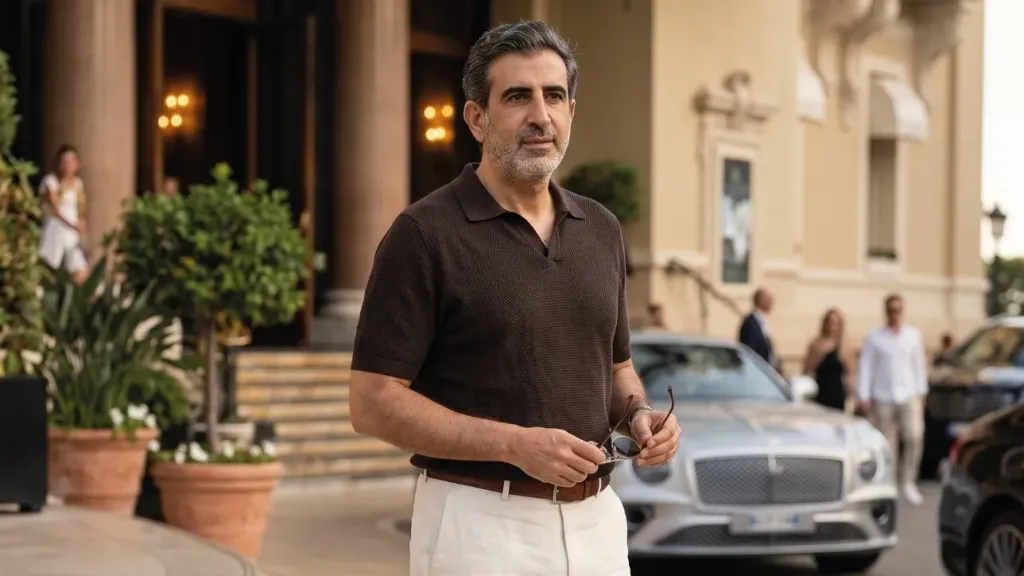
Investment entrepreneur Samer Choucair believes the launch of direct flights from Russia to Alamein International Airport on August 31, followed by an additional flight on September 2 and continued operations through the end of November, represents an important test of the North Coast’s ability to evolve from a short summer season into an extended international tourism destination.
Choucair said the investment significance of the development goes beyond simply adding airline seats. The more important question is whether improved connectivity can raise hotel occupancy, extend the operating season, and ultimately support a reassessment of hospitality and real-estate assets in Alamein based on longer annual utilization.
A Longer Season Could Reshape Tourism Economics
According to Samer Choucair, Egypt’s ability to generate foreign currency from tourism depends heavily on overnight stays, average visitor spending, and the duration of the tourism season. For the North Coast, he sees the third variable as one of the most important challenges.
Egypt’s Ministry of Tourism has increased incentives available to airlines during the summer, with additional increases during October and November, building on efforts made during the previous year to extend the tourism season beyond its traditional peak.
Egypt targeted between 250,000 and 260,000 foreign visitors to the North Coast during the summer of 2026, while tourist traffic through Alamein could approach 300,000 visitors for the full year, compared with approximately 170,000 in 2025, representing growth of roughly 57%.
Choucair added that Egyptian tourism revenues reached approximately $14.4 billion during the first nine months of the current fiscal year, an increase of around 15%, after exceeding $16 billion in the previous fiscal year.
At the same time, Egypt is targeting 30 million tourists and plans to attract approximately $35.4 billion in hotel investment to add around 340,000 rooms by 2031. That would increase total capacity to approximately 568,000 rooms, compared with roughly 228,000 at the end of 2024.
For investors, Choucair said these ambitions make occupancy and seasonality increasingly important. Building additional rooms can expand capacity, but extending the number of profitable operating months determines whether that capacity ultimately produces sustainable returns.
Russia Opens a New Window on the Mediterranean
Samer Choucair said the arrival of the Russian market in Alamein could transfer part of the tourism model that helped support Hurghada and Sharm El-Sheikh to Egypt’s Mediterranean coast.
Egyptian airlines and Russian tour operators have begun developing programs serving the destination. Air Cairo operated initial services between Alamein and Moscow with full capacity, while tour operators including Anex, FUN&SUN, and Coral Travel introduced charter programs and seat allocations extending into October.
The number of flights serving Alamein also increased to 3,193 from 2,542 during the comparable period, representing growth of approximately 26%. The number of airlines operating at the destination reached 15, including Etihad Airways, flydubai, flynas, Saudia, and Air Cairo.
Choucair noted that Gulf travelers reached the destination before the expansion of Russian traffic. Saudia announced six weekly flights from Riyadh and Jeddah, while flydubai increased its summer schedule to daily service.
From an investment perspective, Choucair sees an important distinction between the two markets. Gulf demand can support real estate and higher-value visitor spending, while Russian tourism could become particularly important for maintaining hotel occupancy during the shoulder season.
Alamein’s Investment Story Extends Beyond Tourism
“A direct flight does not create a new asset, but it changes how long an existing asset can be economically utilized,” Samer Choucair said.
For institutional investors, he argued, the decline in occupancy volatility between August and November may ultimately matter more than the absolute number of airline seats.
Alamein has approximately 4,000 hotel keys according to consultancy estimates, with plans to increase inventory by roughly two-thirds by 2030. Choucair cautioned, however, that investors should distinguish between seasonal residential units and professionally managed hospitality assets capable of operating according to the requirements of international tour operators.
That distinction is critical to the investment thesis. A residential unit that generates most of its economic value during a narrow summer window carries a fundamentally different cash-flow profile from a hotel capable of maintaining occupancy across multiple seasons.
Extending the tourism calendar could therefore influence not only hotel revenues but also asset valuations, management contracts, retail activity, transportation demand, and the broader economics of operating New Alamein as a functioning city.
Aviation and Real Estate Among the Potential Beneficiaries
Choucair expects aviation to be one of the fastest beneficiaries of increased connectivity, while hospitality represents the most important operational test and real estate remains the longer-term investment proposition.
New Alamein is being developed as an integrated city incorporating residential towers, universities, administrative facilities, hospitality, and entertainment infrastructure. Russian flights alone will not immediately reprice real estate on a per-square-meter basis, Choucair said, but sustained international connectivity could strengthen the broader investment narrative of a city capable of operating throughout the year.
The distinction matters because year-round accessibility can gradually change how investors value residential, commercial, and hospitality assets. Instead of pricing properties primarily around peak summer demand, investors could eventually begin considering longer periods of economic utilization.
Choucair also noted that Gulf capital is already present across aviation, hospitality, real estate, and energy, positioning Egypt’s tourism and development story within a broader regional investment ecosystem that also intersects with the economic ambitions associated with Saudi Vision 2030.
The Risks Investors Are Watching
Samer Choucair said investors should pay particular attention to whether international flights continue after November, whether airport capacity and ground services can accommodate sustained growth, and whether Alamein’s tourism offering can compete effectively with established destinations such as Hurghada and Antalya.
Exposure to the Russian tourism market also introduces geopolitical considerations, while the real-estate sector faces the possibility of excess supply if development continues to depend predominantly on property sales rather than sustainable operation and occupancy.
For Choucair, some of the most revealing indicators will emerge after the traditional summer peak.
The real test will be whether airlines repeat and expand services beyond November, how average room rates in October compare with those recorded in August, and how Alamein’s occupancy rates perform against destinations such as Sharm El-Sheikh during the same period.
These indicators can help investors determine whether current traffic represents temporary seasonal expansion or evidence of a structural change in the destination’s economics.
The Strategic Investment Outlook
Samer Choucair believes the current environment supports investment opportunities in existing hotel assets, flexible aviation capacity, hotel management, transportation, and tourism-support services. New construction, however, should remain closely linked to demonstrated occupancy rather than projected demand alone.
“Egyptian tourism is no longer being managed around a single peak season, but as a portfolio of seasons,” Choucair said.
He cautioned that financing additional hotel rooms without simultaneously supporting aviation connectivity and operating infrastructure could create excess capacity.
For investors, this changes the order in which capital should potentially be deployed.
“Financing connectivity and operations first gives the investor a genuine option on the revaluation of the asset,” Choucair said.
The central investment question is therefore not simply whether more tourists will visit Alamein during the summer. It is whether airlines, hotels, tour operators, restaurants, transportation providers, and other tourism infrastructure can remain economically active for a significantly larger portion of the year.
Samer Choucair concluded that Russian flights extending through November should be viewed as an early market indicator rather than definitive proof of transformation.
If international connectivity continues beyond the traditional season, hotel occupancy remains resilient during the autumn months, and operators demonstrate that demand can support profitable year-round activity, Alamein could begin moving from a predominantly seasonal real-estate and tourism story toward an institutional tourism asset with a substantially longer operating cycle.
For Choucair, that transition is what ultimately matters to capital: not how crowded Alamein becomes during the height of August, but how effectively its hotels, airport, infrastructure, and commercial assets continue producing economic value after the summer crowds have gone.