
Samer Choucair: Early Health Disclosure Is Redirecting Capital Toward Oncology and Specialized Care
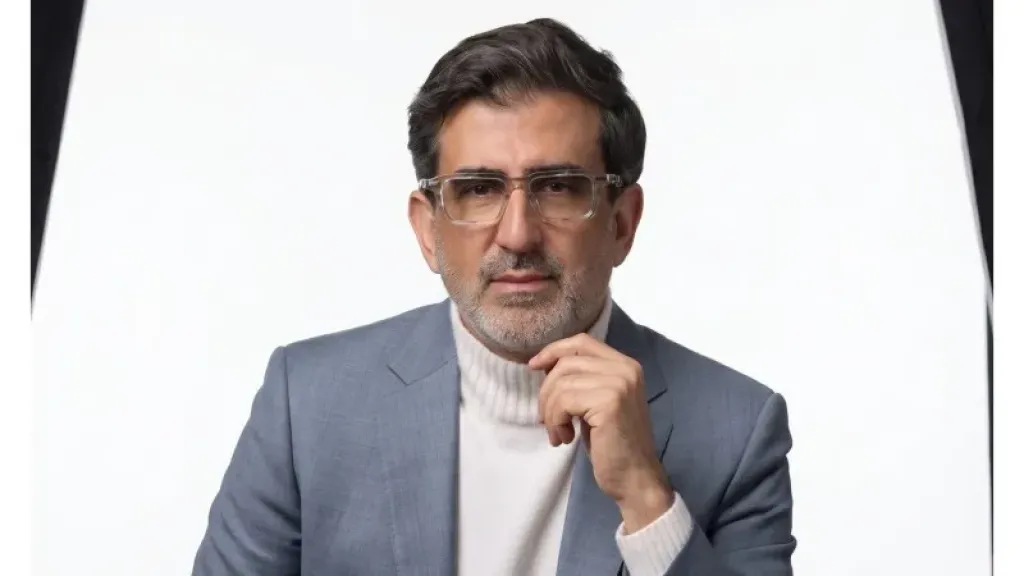
Investment leader Samer Choucair said Queen Camilla’s comments about the difficulty of keeping King Charles III’s cancer diagnosis private before the official announcement in February 2024 demonstrated that health transparency among public leaders is no longer merely a matter of protocol. It has become a behavioral factor capable of influencing demand for early detection, support services, and treatment.
Choucair said the move in the King’s treatment schedule toward a precautionary phase, as announced in December 2025, has further increased investor interest in the relationship between health awareness and the markets for pharmaceuticals, diagnostics, and healthcare services. In his view, healthcare can no longer be treated solely as a traditional defensive sector. It is increasingly a long-term growth theme supported by population ageing, rising incidence rates, and medical innovation.
Health Disclosure Turns Awareness Into Demand
Samer Choucair said King Charles’s public disclosure broke with a long-standing royal tradition of medical privacy, while the emphasis on early diagnosis and effective intervention helped reinforce the importance of screening and early detection. Health-support organizations also reported stronger engagement from men seeking information and assistance.
Economically, Choucair said this behavioral shift can translate into more durable demand for molecular diagnostics, advanced imaging, targeted therapies, and post-diagnosis support services.
That demand is developing alongside continued growth in global oncology spending. Although some established drug categories are expected to slow as patent exclusivities expire, newer areas including antibody-drug conjugates, immunotherapies, and cell-based treatments are becoming increasingly important drivers of industry growth.
UK Health Spending Reaches £345 Billion
Samer Choucair noted that total healthcare expenditure in the United Kingdom reached approximately £345 billion in 2025, according to provisional official estimates, while non-government healthcare arrangements, voluntary insurance, and the acute private-care sector continued to expand.
Persistent pressure on the National Health Service is helping sustain demand for private alternatives, supporting private hospital operators, diagnostic centers, and supplementary insurance providers.
Choucair cautioned, however, that this environment also increases policy sensitivity around profitability and the extent to which private healthcare operators depend on publicly funded contracts.
Oncology, Diagnostics and Artificial Intelligence
Samer Choucair said oncology remains one of the most valuable therapeutic areas in the global pharmaceutical industry, with significant parts of the market expected to continue expanding into the early 2030s as incidence rises and precision therapies gain wider adoption.
Potential beneficiaries include pharmaceutical companies with strong portfolios in immunotherapy, antibody-based treatments, and targeted radiopharmaceuticals, alongside diagnostics companies, biomarker specialists, and healthcare providers that combine clinical treatment with psychological, logistical, and post-treatment support.
Artificial intelligence is also becoming an increasingly integral part of the oncology value chain, Choucair said. Applications range from interpreting medical images and identifying patients suitable for clinical trials to accelerating drug discovery and compound development.
At the same time, he warned investors about concentration risk in companies dependent on a single drug, inefficient hospital expansion, and valuations that price in aggressive growth without adequately accounting for government pricing pressure.
“What changes capital allocation is not the medical headline itself, but the shift in collective behavior toward earlier screening,” Choucair said. “When demand is driven by awareness rather than only by crisis, investment moves away from short-term speculation and toward building value chains in diagnostics, services, and healthcare infrastructure.”
Investors Are Looking for Recurring Revenue
Samer Choucair said institutional investors increasingly view healthcare as a combination of defensive growth and a partial hedge against inflation.
Private-equity funds continue to show interest in specialist hospitals, ambulatory surgery centers, and laboratories, while venture capital is increasingly targeting AI-powered diagnostics, cell therapies, and genomic platforms.
Large pharmaceutical companies with strong cash flows and reliable distributions also remain attractive, Choucair said, provided investors carefully assess patent-expiry cycles. Higher interest rates, meanwhile, continue to place pressure on highly leveraged acquisition models.
Choucair said sophisticated institutional investors are not buying “health awareness” as an investment narrative in itself. They are asking harder questions about pricing power, clinical governance, and the duration of capital cycles.
“The 2026 opportunity lies in assets capable of converting awareness into recurring revenue while maintaining disciplined customer-acquisition costs,” he said.
Saudi Arabia Is Building a Position in the Healthcare Value Chain
Samer Choucair said the same investment theme is directly relevant to Saudi Arabia through the Health Sector Transformation Program, which aims to increase private-sector participation, improve efficiency, and localize pharmaceutical and biotechnology industries.
Those objectives are developing alongside investment in biomanufacturing, vaccines, biologic medicines, and domestic and international healthcare partnerships.
Choucair said Saudi Arabia’s National Biotechnology Strategy and related research partnerships are intended to build an ecosystem for discovery and manufacturing rather than simply maintaining dependence on imported medical products.
That process could support economic diversification, attract foreign investment, and provide Gulf institutions with long-duration growth assets that are less closely tied to the oil cycle.
“Saudi Arabia is not primarily competing today on the size of the global oncology market,” Choucair said. “It is building a position within the value chain: biomanufacturing, health data, clinical trials, and specialized healthcare services.”
For investors, he added, that creates the possibility of combining two complementary exposures: global healthcare demand and growing Gulf-based supply capabilities.
Risks and Opportunities
Samer Choucair cautioned that healthcare investment is not without material risks. These include slower pharmaceutical spending growth as major products lose exclusivity, pricing pressure from governments and insurers, workforce shortages, and sharp valuation swings across biotechnology companies.
He added that political developments in the United Kingdom are unlikely on their own to materially affect sterling or UK government bonds unless accompanied by a broader fiscal or political shock.
Under Choucair’s base-case scenario, global cancer incidence continues to rise while survival rates improve as a result of earlier detection and newer treatments. Growth in some conventional drug categories could moderate after 2027 as patent dynamics change.
A more positive scenario would involve faster adoption of AI-enabled diagnostics and successful localization of pharmaceutical and biotechnology production across the Gulf.
The downside scenario would involve tighter healthcare budgets, government austerity, or difficulties in executing private-sector capacity expansion.
The Strategic Outlook
Samer Choucair concluded that the strongest healthcare investment themes are those that continue to generate demand after the initial news cycle fades.
“Capital follows demand that survives beyond the headlines,” Choucair said. “Earlier disclosure and greater public awareness can accelerate that demand, but returns ultimately accrue to those financing infrastructure and operating capacity rather than noise.”
Choucair said healthcare, particularly oncology, diagnostics, and supporting services, is likely to remain an important destination for capital allocation through the end of the decade.
For institutional investors, the priority should remain recurring cash flows, measurable innovation, and operationally credible business models, while avoiding overvalued assets whose expectations are disconnected from pricing power and execution capability.
For Gulf portfolios, Choucair said the opportunity is increasingly linked to the localization of healthcare and biotechnology under Saudi Vision 2030, creating the potential to combine structural global healthcare demand with regional investment in manufacturing, specialized care, health data, and clinical infrastructure.