
600,000 Barrels a Day: Samer Choucair Says Dangote”s Project Opens the Door to Massive Investment in Africa
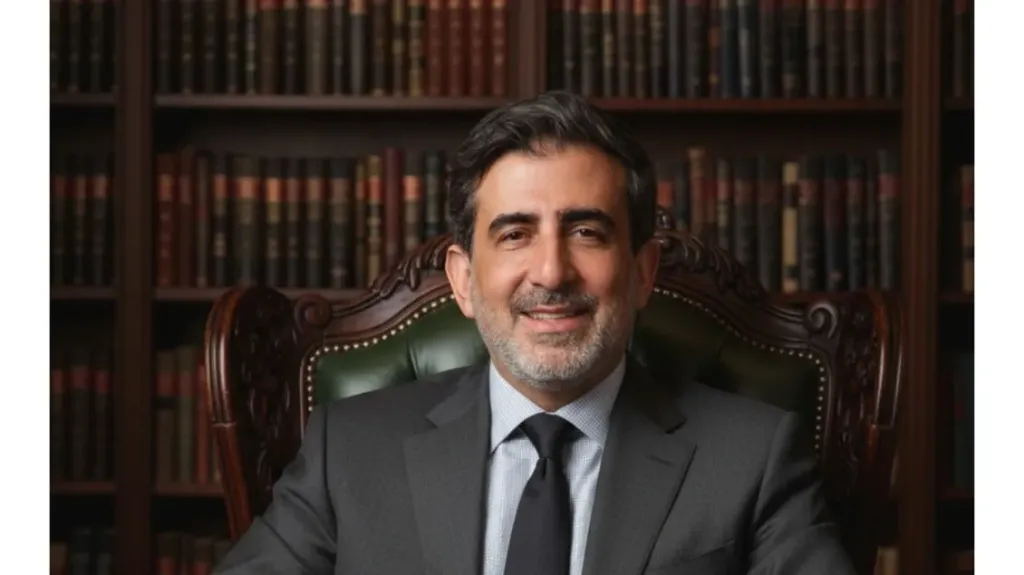
Investment expert Samer Choucair said Aliko Dangote, Africa's richest man, planning to build an oil refinery in Lamu, Kenya, with capacity reaching 600,000 barrels a day and investments estimated at around $16 billion, potentially reaching $20 billion including infrastructure, represents a structural shift in energy security and capital flows across the continent.
Choucair explained that construction on the project, expected to begin in September or October 2026, will allocate a 30% stake to East African countries, including 10% to Kenya worth around $500 million, with interest from Ethiopia and Rwanda, noting that combined government participation could reach around $1.5 billion.
Reducing reliance on imports
Choucair noted the refinery will process about 600,000 barrels a day of crude sourced locally and regionally, particularly from Uganda, Kenya, and South Sudan, strengthening value added within the continent and reducing the foreign currency leakage tied to importing refined fuel.
Choucair added that the roughly 600,000 barrel a day production capacity will exceed current regional demand estimated at 450,000 barrels a day, allowing the surplus to be exported to neighboring markets.
Choucair said: "The ability to convert regional crude oil into locally refined products changes the risk equation in African investment portfolios," since the investor shifts from exposure to import price swings toward controlling larger parts of the value chain.
Lessons from the Nigerian experience
Choucair explained the project benefits from the experience of Dangote's refinery in Lagos, which has a capacity of about 650,000 barrels a day with plans to expand to 1.4 million barrels, noting that lessons learned helped bring down the Kenyan project's estimated cost from $17 billion to about $16 billion, with construction expected to be completed within less than four years.
Choucair added that the proposed financing structure relies on 70% debt and 30% equity, while offering a 30% regional stake helps distribute risk and strengthen political acceptance.
Capital heads toward real assets
Samer Choucair said major refining projects in emerging markets are "reshaping capital flows toward real assets tied to energy," away from exclusive reliance on traditional financial instruments, explaining that investors who grasp this shift may increase their allocations to long term infrastructure.
Choucair noted that increased production of refined products in East Africa could ease pressure on domestic fuel prices and affect global refining margins, alongside rising demand for regional crude, particularly from underdeveloped fields in Uganda and South Sudan.
Appeal for sovereign funds
Choucair explained the project offers sovereign wealth funds and asset managers an investment model that combines scale, regional governance, and government support, while the participation of several countries reduces political risk and the large production capacity delivers economies of scale.
Choucair added the project could attract financing from African development banks and international institutions, alongside Gulf investors seeking geographic diversification in the energy sector, and could open opportunities in logistics, petrochemicals, and ports.
Choucair emphasized that "institutional capital is increasingly moving toward projects that achieve a structural impact on local economies, not just short term financial returns," noting that clarity of governance and regional partnerships will be decisive in attracting major flows.
Execution opportunities and risks
Samer Choucair pointed out that the main risks include execution delays, oil price volatility, and the need to protect the domestic market from cheap imports, alongside the necessity of implementing parallel investments in ports and infrastructure.
On the other hand, opportunities include creating tens of thousands of jobs, strengthening energy security, and developing a petrochemical complex that raises the project's economic value, alongside supporting industrial growth and reducing the current account deficit in Kenya and the region.
A long term strategic bet
Samer Choucair concluded that Dangote's refinery in Kenya represents a turning point from reliance on foreign refining toward building regional capacity, affirming that "major projects in African energy will remain a focal point for long term investment flows in 2026," with the growing importance of supply security.
Choucair added that the success of execution will determine how attractive the region becomes to institutional investment funds in the coming years, while markets will watch the details of financing and government partnerships, viewing the project as a potential model for financing major energy projects and redrawing the capital allocation map in Africa's oil and gas sector.