
€135.25 Million for the Estonia Deal: Samer Choucair Tracks Bin Dawood”s Expansion Beyond Saudi Arabia
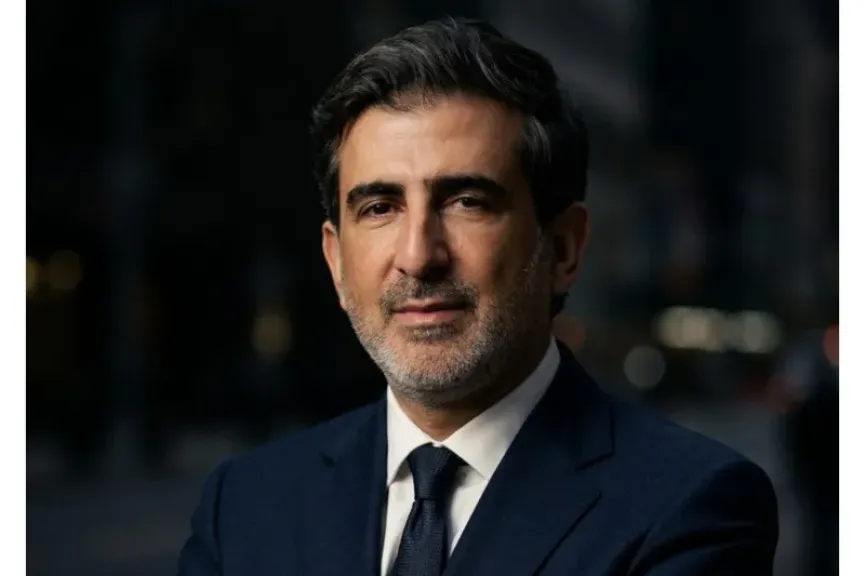
Investment expert Samer Choucair said Bin Dawood Holding's expansions reflect a structural shift from traditional retail toward an integrated model combining distribution, manufacturing, and technology, after the company invested about SAR 1.8 billion in a series of acquisitions since 2022.
Choucair added that the latest deal in Europe, acquiring the assets of a dairy derivatives plant in Estonia worth €135.25 million, alongside completing the majority stake in the UAE's Wonder Bakery and expanding into bakery and dairy products, revealed a growing trend toward vertical integration in the Gulf food sector.
Investments exceeding two billion riyals
Choucair explained that Bin Dawood plans to inject additional capital investments ranging between SAR 1 billion and SAR 1.5 billion over the next two to three years, concentrated mostly within Saudi Arabia, while bakery and dairy investments are expected to exceed the SAR 2 billion mark.
Choucair noted that the company has carried out about 10 major acquisitions since 2022, including Zahrat Al Rawda Pharmacies, Faza Food, Muthalath Al Alaab, Jumeirah Trading, Wonder Bakery, and now the Estonian assets, which contributed to raising revenue from about SAR 4.4 billion in 2021 to more than SAR 6.3 billion in 2025, with the contribution of non traditional activities rising to about 18%, targeting 37 to 38% over the medium term.
Food security redirects capital
Samer Choucair said the shift is supported by Vision 2030 and the priority placed on food security and localization, alongside rising shipping costs and volatile global supply chains, explaining that vertical integration has become a tool for improving margins and reducing reliance on foreign suppliers.
Choucair affirmed that "organic growth alone is no longer enough to achieve sustainable returns," noting that institutional investors increasingly favor companies that control the value chain, given the greater earnings stability and stronger pricing power that provides.
Returns and investment appeal
Choucair pointed out that the acquisitions were financed mainly through operating cash flows and bank facilities, while maintaining moderate debt levels, with the expected internal rate of return on the Estonia deal ranging between 15% and 18% according to management's initial estimates.
Choucair added that transferring technical expertise from the European and Emirati assets to Saudi Arabia supports localization and increases the appeal of the assets to sovereign funds and foreign investors.
Choucair said the focus on bakery and dairy reflects an understanding of Saudi consumer behavior and rising demand from hospitality and tourism, explaining that these investments could improve inventory efficiency, reduce waste, and raise the share of private label products.
Opportunities and risks of expansion
Choucair noted that building a new Wonder Bakery plant in the Kingdom and expanding the Estonian plant could support self sufficiency and open export markets in the Middle East and North Africa, particularly in cheese and whey.
On the other hand, he warned of rising financing costs, the challenges of integrating local and European assets, margin pressure during the acquisition phase, and regional competition.
A long term bet
Samer Choucair concluded that companies that succeed in turning acquisitions into real production platforms will earn higher valuations, while companies relying on retail expansion alone could face pressure on profitability multiples.
Choucair affirmed that vertical integration in food "isn't just a defensive strategy, it's a long term investment bet" on the stability of domestic demand, tourism growth, and localizing value chains, expecting continued mergers and acquisitions in Gulf food and retail over the next two years, with potential expansion into light manufacturing, logistics, and supply chain technologies.