
Samer Choucair: Parkin”s Expansion Into Egypt Opens a New Investment Window in Smart Infrastructure
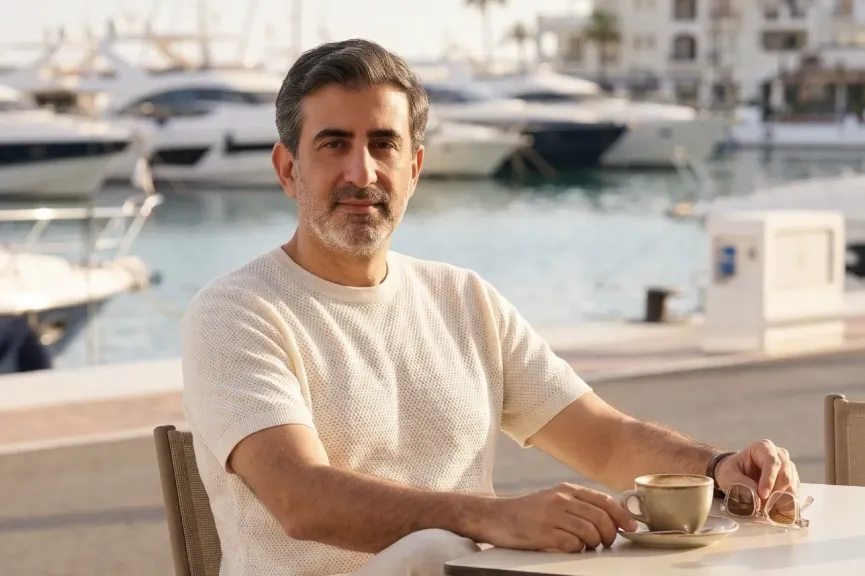
Investment expert Samer Choucair said the move by Parkin, the UAE company and Dubai's largest paid public parking services provider, to launch a pilot for smart parking in New Cairo before the end of 2026 represents a strategic step that opens a new window for capital in digital urban infrastructure.
Choucair explained that the company signed memoranda of understanding with Modon Misr for Asset and Facility Management, Mowasalat Misr, and Redcon Properties, in its first expansion outside the UAE, noting that the move reflects growing demand for technology managed urban mobility solutions in Egypt's new cities.
A data driven model
Choucair added that the pilot will test technologies including automatic license plate recognition, AI powered cameras, barrier free parking, digital permits, and centralized management platforms.
Choucair noted that the expansion comes alongside strong performance from Parkin, which recorded revenue of 364.1 million dirhams in the second quarter of 2026, up 14% year over year, while net profit rose 12% to 166.2 million dirhams, with its parking portfolio reaching around 268,000 spaces.
Reallocating capital
Choucair said Parkin's expansion represents "a gradual reallocation of capital from traditional assets toward data driven operating models and operational efficiency," explaining that institutional investors increasingly favor companies capable of exporting successful operating models to markets with high population and urban density.
Choucair affirmed that New Cairo represents an important initial test, since the pilot will undergo technical and operational evaluation before a decision is made on expansion, allowing demand and feasibility to be measured without exposing the company to high capital risk from the outset.
Opportunities for investors
Choucair explained that the sector opens opportunities for private investment funds and venture capital in digital payment technologies, fleet management, the internet of things, and integration with public transport systems.
Choucair added that institutional liquidity is increasingly moving toward sectors that combine "operational stability with the potential for regional expansion," particularly when supported by local partnerships that reduce the risks of entering new markets.
Choucair noted that evaluating the pilot should focus on the quality of future contracts, usage rates, and the ability to dynamically price services based on real time data, alongside Parkin's ability to maintain strong profit margins during expansion.
Opportunities and risks of expansion
Choucair pointed out that the main risks include the need to adapt the model to demand patterns, purchasing power, and the regulatory framework in Egypt, in addition to the fact that the pilot phase won't immediately reflect on external revenue.
On the other hand, Choucair believes partnerships with companies linked to the New Urban Communities Authority provide an organized entry channel to parking assets in new cities, and could in the future open opportunities in urban logistics, parking demand management, and services tied to electric vehicles.
A long term bet
Choucair affirmed that long term investors will focus on Parkin's ability to combine strong local cash flows with a disciplined expansion plan based on partnerships rather than costly acquisitions, particularly in an interest rate and inflation environment that requires greater precision in capital allocation.
Choucair concluded that Parkin's entry into Egypt signals a structural shift in the financing and management of urban assets, and that the model's success will strengthen investment opportunities in the digital infrastructure of new cities, provided it combines technical expertise, operational governance, and a deep understanding of the local market.