
Samer Choucair: 24% Lower Dementia Risk With Recreational Exercise, and Physical Labor Poses a Startling Paradox
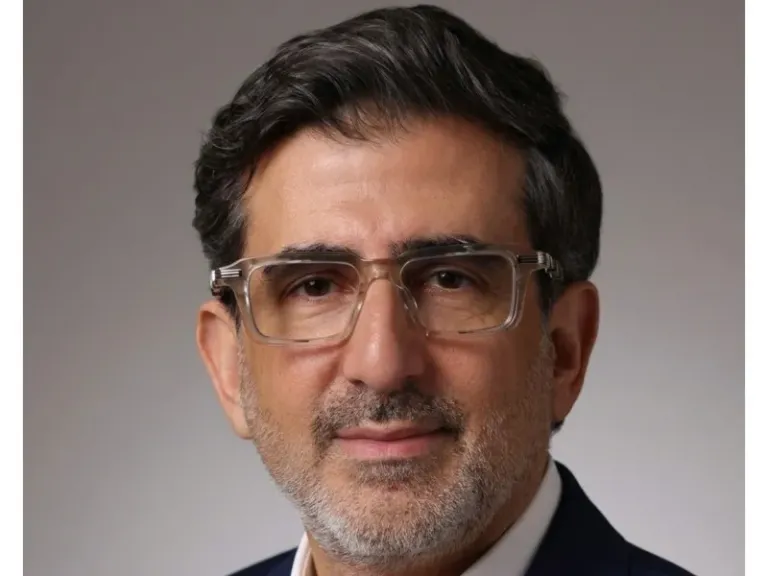
Investment expert Samer Choucair believes the new findings on the relationship between physical activity and dementia call for rethinking the concept of "healthy activity," not just from a medical standpoint, but as an economic factor that could affect productivity, care costs, and capital allocation over the coming decades.
A meta analysis published in Lancet Public Health, led by researchers from the University of Southern California, reviewed 74 studies covering more than 4.2 million people across 30 countries. Higher leisure time physical activity was linked to a 24% lower dementia risk, while occupational physical activity was linked to a 20% higher risk. These findings remain observational associations that don't prove the nature of occupational activity causes dementia, and the researchers noted low or very low certainty in the evidence.
Choucair said the economic significance of the study lies in how it distinguishes between voluntary exercise and movement imposed by the nature of a job. Strenuous physical work can come paired with psychological stress, reduced control over work pace, and exposure to pollution, noise, and repetitive tasks, while recreational activity often combines movement with social interaction and recovery time.
Choucair added that the scale of the problem makes preventing cognitive decline an increasingly important economic issue. The World Health Organization estimates the global economic cost of dementia at around $1.3 trillion annually, with more than 57 million people living with dementia and about 10 million new cases each year. The organization also notes that up to 45% of dementia risk factors can be prevented or delayed by addressing modifiable factors, including low physical activity, social isolation, high blood pressure, diabetes, and pollution.
Choucair believes this data opens investment space for fitness and preventive health, green spaces and sports facilities, wearable technology, digital health services, and redesigning workplaces to reduce risk and improve quality of life.
In the Gulf, these trends could intersect with investments in quality of life, sports, and healthcare, particularly in Saudi Arabia, where the design of cities and work environments is becoming part of the long term productivity equation.
Choucair cautions against turning the study's findings into direct investment bets on specific companies, saying: "The real value will emerge when preventing dementia and supporting cognitive health turn into measurable services, ones that lower care costs and preserve human productivity."
Choucair concludes that long term capital should view cognitive health as part of the human infrastructure of the economy, not merely a line item in health spending, while stressing the need to separate what the evidence actually establishes from what still remains an investment hypothesis.