
Egypt”s Lowest Risk Premium in 12 Years — Samer Choucair Sets Out the Conditions for Sustained Improvement
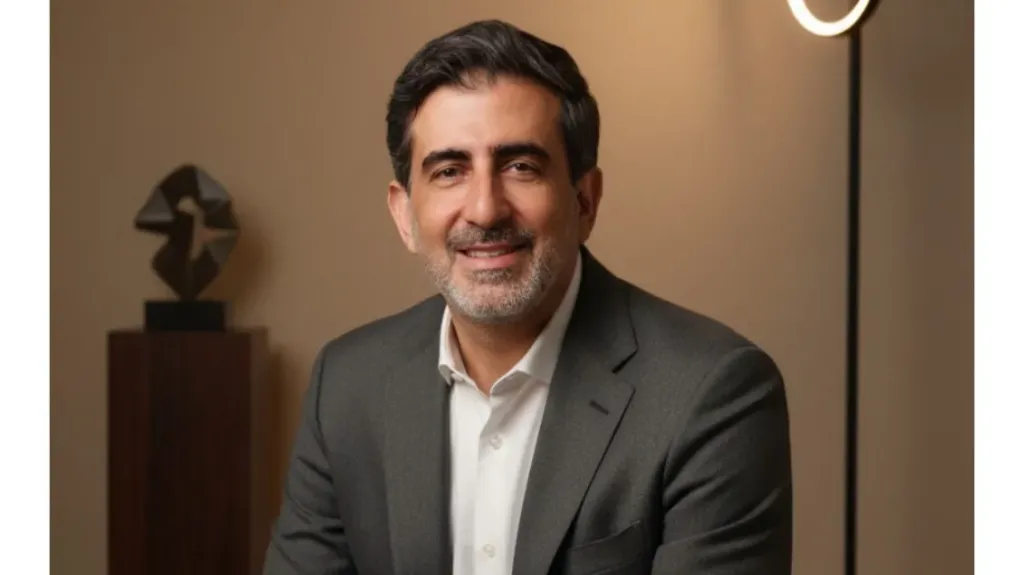
Investment expert Samer Choucair said that the decline in Egypt's dollar-denominated sovereign debt risk premium to 322 basis points its lowest level since 2014 reflects a shift in how markets view the country, moving from an acute external financing crisis to a high-yield reform credit story.
Choucair explained that record reserves, IMF support, and exchange-rate flexibility have driven the spread down by around 150 basis points since March, while the total return on Egyptian bonds has exceeded 10%, compared with about 3.2% for the emerging-markets average.
Choucair noted that the risk premium no longer prices in the possibility of running out of dollars within weeks, but rather prices in the state's ability to manage domestic maturities and carry out reforms and privatization after the current IMF program ends on December 15, 2026.
**Reserves Bolster External Buffers**
Samer Choucair explained that net international reserves reached $56.29 billion by the end of July, a record level, supported by remittances, tourism revenue, a partial recovery in Suez Canal income, and multilateral inflows.
Choucair added that the IMF completed, at the end of July, the seventh review of the Extended Fund Facility and the second review of the Resilience and Sustainability Facility, unlocking about $1.8 billion — roughly $1.5 billion from the core program and about $272 million from the sustainability window — while the $8 billion program is set to expire in December 2026 with no follow-up arrangement announced yet.
Choucair said these developments have reduced immediate dollar-liquidity risk, but do not eliminate challenges around domestic financing and debt rollover.
**Bond Market Reprices Risk**
Samer Choucair noted that 5-year credit default swaps fell by about 162 basis points to around 269 basis points, while Egyptian bonds have delivered a total return exceeding 10% since the end of March, compared with 3.2% for the emerging-markets basket.
Choucair added that S&P affirmed Egypt's rating at B/B with a stable outlook in April, while Moody's kept its rating at Caa1 with a positive outlook, reflecting improved external buffers and exchange-rate flexibility, despite ongoing financing needs and regional risks.
Choucair explained that these levels do not mean Egypt has reached investment grade, but they reduce the likelihood of the tail-risk scenarios that dominated pricing in 2023.
**The Pound and Domestic Debt Under Watch**
Samer Choucair said the appeal of Egyptian treasury bills remains supported by high real interest rates and foreign portfolio inflows, but this type of flow remains sensitive to global monetary tightening and the repricing of geopolitical risk.
Choucair added that urban inflation stayed in the double digits during July, putting the central bank in a delicate balancing act between supporting the pound, containing prices, and preserving the appeal of domestic debt instruments.
Choucair emphasized that institutional investors need to distinguish between the strength of external buffers and the quality of the balance sheet, since higher reserves reduce liquidity risk, while continued reliance on short-term instruments for domestic debt keeps rollover risk in place.
**Privatization Is the Next Test**
Samer Choucair noted that the decline in the risk premium does not mean challenges have ended, given continued overall financing needs, the heavy weight of domestic debt, the short maturities of a large portion of it, and slower-than-expected privatization compared with the original program's projections.
Choucair said any slowdown in structural reforms or in curbing the state's role in the economy could quickly widen the risk premium again, even with reserves at elevated levels.
Choucair added that improved sovereign credit could benefit Egyptian companies capable of generating dollar revenue or tied to tourism, logistics, and exports, while banks heavily invested in treasury instruments remain sensitive to any sudden rise in domestic yields.
**Egypt Draws Gulf Capital**
Samer Choucair explained that Egypt's repricing matters to Gulf funds seeking real returns, but he cautioned against chasing the lowest spread in 12 years without factoring in the risks that lie beyond December 2026.
Choucair said the institutional question is no longer "has the risk premium fallen?" but rather "can Egypt sustain its financing costs once the IMF's umbrella expires?"
Choucair added: "The long-term investor isn't buying a headline about the lowest risk premium in 12 years they're buying the economy's ability to convert reserves and reform into sustainable financing costs for companies, not just for the state."
Base Case and Risks
Samer Choucair said the base case assumes continued exchange-rate flexibility, a sustained primary surplus, and continued remittance and tourism flows supporting reserves, with a possible rating upgrade from at least one agency if commitment to external financing targets continues.
Conversely, stalled privatization, renewed pressure on the pound, or a widening financing gap after the program ends could push spreads back toward 2025 levels.
Selective Credit, Not Safe Credit
Samer Choucair concluded that by 2026, Egypt has moved closer to a category of "selective credit rather than safe credit," affirming that the drop in the risk premium justifies reopening positions for investors capable of managing rollover and privatization risk, but that it alone is not proof that the dollar-distress cycle has ended.
Choucair said the most disciplined institutional allocation should balance dollar and pound exposure, and sovereign bonds against sectors capable of generating hard currency, while treating reserves as a necessary condition for stability not a sufficient guarantee of sustainable capital costs.