
Samer Choucair: Early Diagnosis Is Becoming an Economic Lever and Redirecting Healthcare Capital
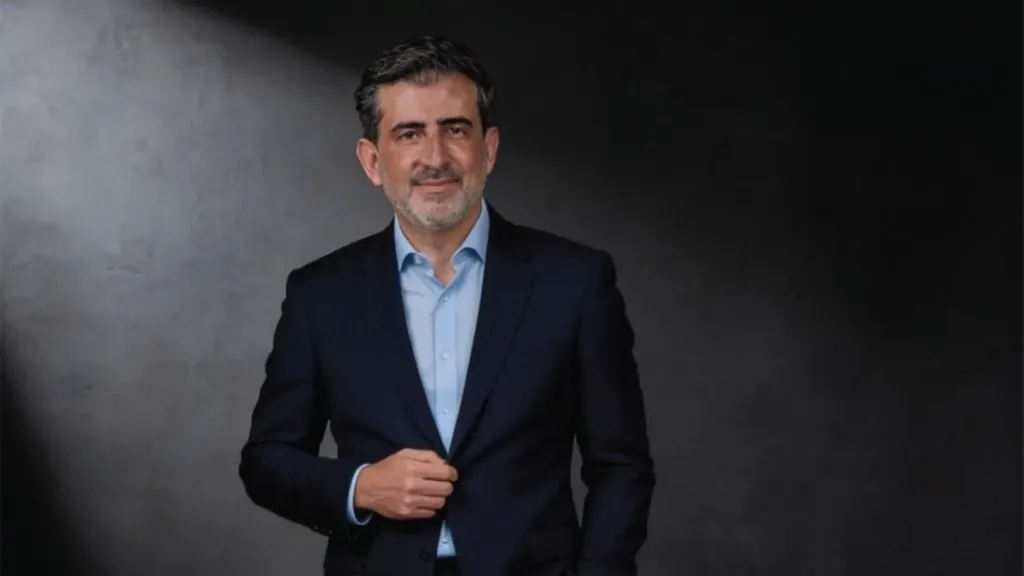
Investment leader Samer Choucair said the expansion of specialized laboratory diagnostics, particularly in oncology, reflects a structural shift in Saudi Arabia’s healthcare investment landscape. He noted that the launch of a specialized laboratory in Jazan, with proceeds dedicated to supporting cancer patients and equipped with a high-throughput system capable of screening 100 cases per hour, represents a model for extending healthcare investment beyond the Kingdom’s major urban centers.
Choucair said this trend supports the objectives of Vision 2030 by increasing private-sector and nonprofit participation while creating opportunities for institutional capital in medical technologies, molecular diagnostics, and healthcare value chains with long-term returns.
Specialized Diagnostics Are Reshaping Healthcare Investment
Choucair noted that the expansion of specialized medical laboratories forms part of the Health Sector Transformation Program, which aims to improve spending efficiency and expand access to healthcare services across the Kingdom.
Independent estimates put the Saudi healthcare market at approximately $71 billion in 2026, with a projected compound annual growth rate of around 6.7%, potentially exceeding $105 billion by 2031. The laboratory diagnostics sector, including in-vitro diagnostics, is also continuing to expand, driven by the growing prevalence of chronic diseases and cancer.
Choucair said that expanding diagnostic services in areas such as Jazan can reduce reliance on referrals to major cities, lower treatment-related travel costs, reduce time lost by patients and their families, and support local economic productivity.
“Investment in early diagnosis is no longer simply a social choice; it has become an economic lever that can reduce the long-term burden of advanced treatment on public and private budgets,” Choucair said.
The Diagnostics Market Opens New Opportunities for Capital
Choucair explained that the diagnostic laboratory market is benefiting from the expansion of health insurance and greater awareness of early detection. Some independent analyses estimate the market at approximately $1.6 billion, with projections of around $3 billion by the middle of the next decade and annual growth rates ranging between 6% and 6.5%.
He identified molecular diagnostics and high-throughput testing as two of the most attractive areas for investment, particularly as initiatives such as the Saudi Genome Program support the development of precision medicine and oncology treatment.
These developments, Choucair said, create opportunities for local and international medical-device companies, private laboratory operators, and private-equity funds seeking assets with relatively stable cash flows and healthcare demand that is less sensitive to economic cycles.
A Model Combining Returns With Social Impact
Choucair emphasized that specialized laboratories capable of generating sustainable revenues while directing part of those proceeds toward patient support could create new models for partnerships between the public, private, and nonprofit sectors.
Institutional investors, he said, are increasingly assessing these models based on their ability to balance financial sustainability with measurable social impact. Such a balance can reduce exposure to economic volatility and increase the attractiveness of healthcare within diversified portfolios supporting the non-oil economy.
Jazan as Part of an Integrated Healthcare Value Chain
Choucair noted that the presence of a specialized oncology center at the Specialist Hospital in Jazan, alongside new laboratory facilities, could contribute to a more integrated local treatment ecosystem.
This could help attract medical talent and reduce the need for patients to travel to other cities or abroad. The expansion of diagnostic infrastructure would also increase demand for advanced laboratory equipment, maintenance, and training services, creating investment opportunities ranging from local manufacturing to healthcare logistics.
Capital Seeks Geographic Diversification
Choucair said asset managers and sovereign wealth funds increasingly view diagnostics as an area combining moderate risk with relatively stable returns, supported by population growth and rising life expectancy.
Capital could flow toward companies listed on Tadawul that are expanding laboratory services, as well as projects focused on localizing medical-device and consumables manufacturing. He also expects continued interest in acquisitions of regional laboratory networks and partnerships with nonprofit organizations.
“Strategic capital allocation in the coming years will increasingly favor healthcare assets that combine structural growth with sound governance, particularly those serving areas outside traditional centers, because they provide genuine geographic diversification within the Saudi market,” Choucair said.
AI and Localization Strengthen the Opportunity
Choucair identified the availability of specialized talent, early-stage operating costs, and potential regulatory changes affecting healthcare-service pricing as key challenges.
However, he said government support and rising demand for early diagnosis could mitigate these risks.
Opportunities include expanding the use of AI-supported molecular diagnostics, developing domestic supply chains for medical equipment and consumables, and connecting regional laboratories with national data platforms to strengthen precision medicine.
Advanced Diagnostics as Part of a Broader Transformation
Choucair concluded that continued implementation of the Health Sector Transformation Program is likely to drive further investment in diagnostic infrastructure outside the Kingdom’s major cities.
He said medical diagnostics has become an increasingly attractive area for institutional capital allocation in Saudi Arabia.
“Investors who build portfolios around long-term structural trends, such as expanding access to advanced diagnostics, will be better positioned to benefit from the broader economic transformation driven by Vision 2030,” Choucair said.
He added that the transformation reflects a shift away from simply expanding healthcare capacity toward improving efficiency, quality, and equitable access, ultimately redefining the healthcare investment landscape across the Kingdom.