
Samer Choucair: Harry and Meghan’s Return Could Reshape the Economic Value of British Soft Power
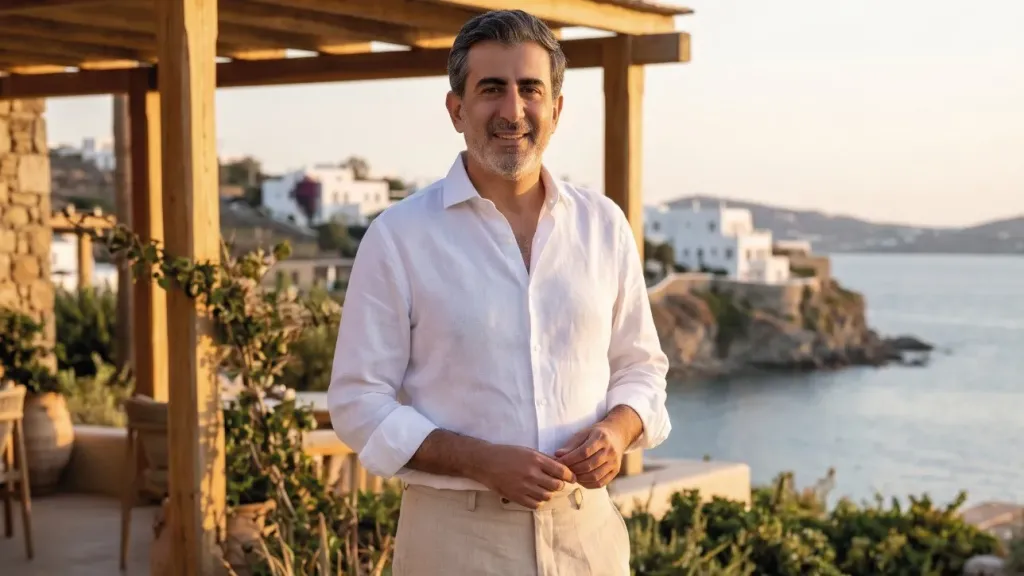
Investment leader Samer Choucair said that Prince Harry and Meghan Markle’s return to the United Kingdom with their two children, after more than six years since moving to California, represents a symbolic development that extends beyond family matters. The couple remain private citizens and are not returning to official roles within the British royal family. According to recent reports, they intend to live in a private residence outside London while their children begin schooling in the UK.
Choucair noted that the development does not alter the formal structure of the British monarchy, but it could renew global interest in the British brand, with potential indirect effects on tourism, entertainment, media, and luxury and rural real estate.
Soft Power as an Intangible Economic Asset
Choucair explained that the British monarchy is not a direct financial asset, but it represents an important component of the United Kingdom’s soft power through its influence on tourism, media coverage, and brands associated with the British image.
He said Harry and Meghan’s return, even as private individuals, could redirect international media attention toward Britain and locations associated with royal history, potentially providing a limited boost to sectors benefiting from the country’s soft power.
“Markets price national symbols as indirect assets,” Choucair said, noting that the return of a prominent symbolic figure could support limited capital flows toward tourism, media, and property businesses that benefit from Britain’s global image.
Tourism, Media, and Real Estate in Focus
Choucair identified three main areas that could be affected.
The first is tourism and entertainment. Increased global interest in the royal family could support demand for accommodation, events, and products associated with royal sites and British history, particularly in areas outside London.
The second is media and entertainment production. Harry and Meghan’s previous projects with global platforms have demonstrated the commercial value of narratives surrounding the couple, potentially renewing attention toward British content and production and distribution companies.
The third is luxury and rural real estate. The relocation of a globally recognized family to a private area outside London could increase international attention among prospective buyers, particularly in locations near private schools or historic sites.
Capital Does Not Buy the Royal Story
Choucair emphasized that sovereign wealth funds and asset managers do not treat royal developments as direct drivers of stocks or bonds. Instead, they may be considered secondary factors within assessments of risk, reputation, and soft power.
“The institutional investor does not buy a royal story; it buys cash flows and stability,” Choucair said, explaining that a stronger perception of continuity could marginally reduce a country’s reputation-related risk premium and support valuations in sectors that are particularly sensitive to reputation.
A Broader Investment Lesson
Choucair said the British experience offers a broader lesson for economies seeking to maximize the value of intangible assets.
Countries capable of transforming historical and cultural symbols into tools for attracting tourism, investment, and international partnerships can generate indirect economic returns over the long term.
He added that this concept intersects with the experience of Gulf economies in developing soft power and linking culture, entertainment, and tourism to economic diversification strategies, making national image management increasingly relevant to capital allocation.
Risks Could Limit the Economic Impact
Choucair cautioned that renewed media attention could also revive previous divisions within the royal family, potentially limiting the anticipated positive effect.
The fact that Harry and Meghan remain private citizens also means that their return has no direct institutional impact on the functioning of the monarchy.
Potential areas of opportunity could include British private education, rural real estate, and brands associated with the British lifestyle, alongside increased international interest in locations connected to the royal family’s image.
Indicators Investors Will Watch
Choucair said institutional investors are likely to monitor inbound tourism, the performance of hotel and entertainment companies, rural property markets, and consumer spending related to tourism and cultural experiences over the coming months.
He explained that sustained positive coverage could provide a limited improvement in valuations for certain soft-power-related assets, but it is unlikely to become a major driver of the British economy or financial markets.
Symbolic Value Enters Investment Calculations
Samer Choucair concluded that Harry and Meghan’s return reminds investors that economic value is not determined entirely by direct financial indicators.
“Symbolic events remind investors that economic value extends beyond direct financial figures,” he said, emphasizing that institutional capital will remain primarily focused on stability, adaptability, and cash flows, while treating soft power as a supporting factor in long-term capital allocation.