
Samer Choucair: PIF Enters a New Phase of Extracting Value from Vision 2030 Assets
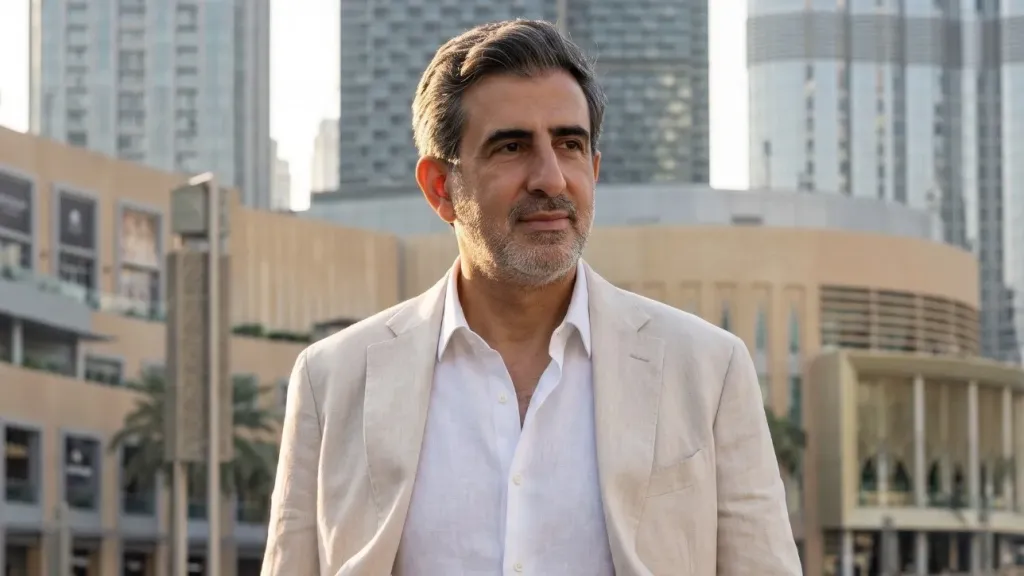
Investment leader Samer Choucair said that the Public Investment Fund (PIF) has entered a new phase in managing its domestic portfolio, as sectors such as tourism and logistics move from heavy reliance on investment support toward generating more sustainable operating profits.
Choucair explained that this shift falls under the Fund’s 2026–2030 strategy, which focuses on realizing value, maximizing returns, and increasing private-sector participation. This reflects a transition in sovereign capital from financing assets during their establishment phase toward extracting value from existing investments.
Choucair noted that the Fund’s net profit doubled in 2025 to approximately SAR 65 billion, supported by 9% revenue growth and improved portfolio operating performance, alongside a sharp decline in new government capital contributions. This indicates a growing reliance on retained earnings, private financing, and capital recycling.
Tourism and Logistics at the Heart of the Transformation
Samer Choucair said that the tourism, travel and entertainment sectors, along with industry and logistics services, have formed a core part of Vision 2030 investments, and that their maturation is an important indicator of the evolution of the sovereign-capital cycle.
He explained that tourism is targeting a contribution of 10% of GDP by the end of the decade, while the contribution of travel and tourism to the Saudi economy exceeded $185 billion in 2025. The Kingdom welcomed more than 120 million visitors that year, with tourism spending exceeding SAR 300 billion.
Regarding logistics, Choucair noted that Saudi Arabia has planned investments exceeding SAR 1 trillion through 2030 to strengthen its position as a global hub connecting three continents. This includes an integrated network of ports, airports, railways, and logistics zones, with the private sector expected to account for around 80% of targeted investments in transportation and logistics services.
Revaluing Saudi Assets
Samer Choucair viewed the transformation as a natural stage in the life cycle of sovereign capital, during which the Fund moves from being an initial financier and developer to becoming a catalyst for value creation and a participant in returns.
He added that institutional investors have been monitoring these ecosystems’ ability to generate independent cash flows, considering this a key factor in determining the attractiveness of Saudi assets within global long-term allocation portfolios.
Choucair noted that years of heavy capital spending on projects such as The Red Sea, NEOM, King Salman International Airport, and Riyadh Air are gradually translating into operating revenues and an expanding customer base. This could pave the way for private-sector partnerships, potential listings, and foreign direct investment.
Private Capital Enters the Next Phase
Samer Choucair said markets have increasingly favored assets capable of transitioning from a “strategic support” model to an “operating return” model. Such a shift reduces reliance on direct government financing and creates room for more diversified funding instruments, including green bonds, public-private partnerships, and project finance.
Choucair expects a greater share of capital to flow toward PIF-affiliated companies in tourism and logistics, particularly those with competitive positions in regional supply chains or tourism destinations supported by sustainable demand.
The logistics sector, he added, is also experiencing consolidation and restructuring aimed at creating larger entities with greater capacity to attract international investors.
Opportunities and Risks
Samer Choucair explained that the transformation is not without challenges. Regional geopolitical tensions could affect tourism and shipping in the short term, while sustaining tourism profitability requires continued investment in quality, experiences, and demand diversification beyond seasonal patterns.
In logistics, regional competition and the ability to attract global shipping volumes remain critical factors. However, Choucair emphasized that the opportunities appear greater, particularly with visitor numbers expected to reach 150 million by 2030, supported by major events such as Expo 2030 and the 2034 FIFA World Cup, while the logistics sector benefits from Saudi Arabia’s geographic position and the restructuring of global supply chains.
A New Phase of Capital Allocation
Samer Choucair emphasized that long-term investors have viewed the maturation of these sectors as an opportunity to build investment positions linked to the structural transformation of the Saudi economy.
He noted that the success of the next phase will not be measured solely by current profits, but also by the ability of tourism and logistics to attract sustainable private capital and gradually reduce reliance on sovereign support.
Samer Choucair concluded:
“The Public Investment Fund’s entry into the value-realization phase has shifted market attention from the scale of spending toward the quality of returns and capital efficiency. Tourism and logistics are well positioned to become models for this transformation within the Vision 2030 portfolio, opening the door to greater capital flows into mature assets in one of the region’s fastest-transforming economies.”