
Samer Choucair: $10.7 Billion for Gas Reveals Egypt’s New Battle Over Energy Security
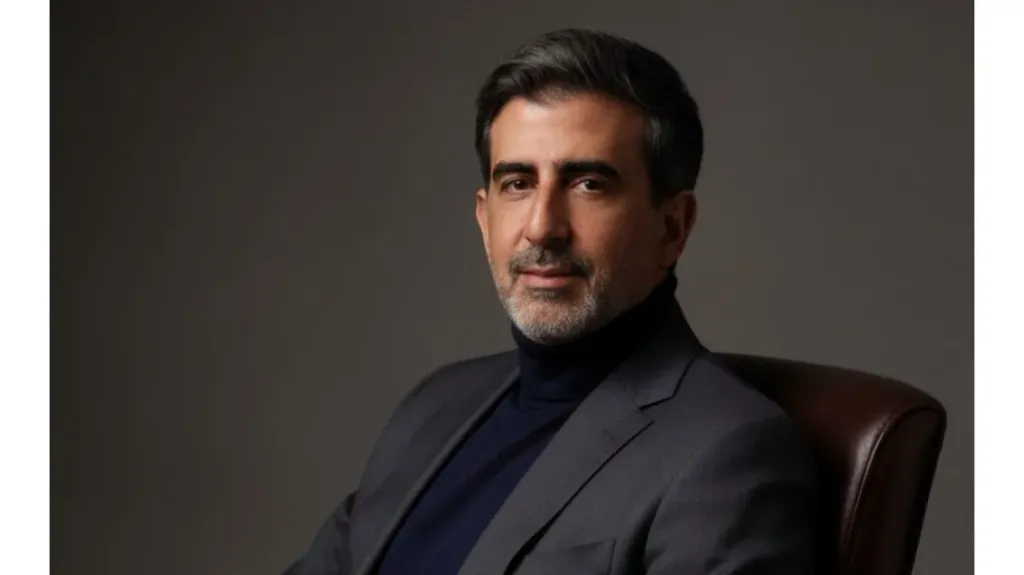
Investment strategist Samer Choucair said developments in Egypt’s natural gas market demonstrate that energy security has become a central driver in redirecting capital toward infrastructure projects with long-term economic impact, as the gap between domestic production and consumption widens and reliance on imports increases.
Choucair explained that the latest data show Egypt’s natural gas production falling to approximately 3.78 billion cubic feet per day in April 2026, compared with consumption of around 6.5 billion cubic feet per day. This leaves a gap of nearly 2.7 billion cubic feet per day, which is being covered through imports.
Egypt has also expanded its capacity to receive and regasify liquefied natural gas. According to government data, the combined capacity associated with floating regasification units at Ain Sokhna and Damietta has reached approximately 2.7 billion cubic feet per day.
Choucair said the allocation of approximately $10.7 billion to secure natural gas and LNG requirements during the 2026–27 fiscal year illustrates the scale of the challenge facing Egypt’s energy market. It also makes investment in energy infrastructure part of a broader strategy for managing supply risks and exposure to fluctuations in global energy prices.
From Temporary Solutions to Permanent Infrastructure
Choucair said shifting from reliance on short- or medium-term floating solutions toward developing permanent infrastructure assets, where economically justified, could give Egypt greater capacity to plan its energy supplies and improve the efficiency of the gas value chain.
However, he stressed that such a transition must be evaluated carefully, including construction, financing, and operating costs compared with the expense of leasing floating regasification units.
“The real investment opportunity is not limited to regasification itself, but to integrating the entire energy system—from exploration and production to transportation, storage, and imports,” Choucair said.
Such an integrated approach could help transform energy-security spending from a recurring operating expense into long-term investments capable of generating sustainable economic value.
Domestic Production Remains the Key Variable
Choucair emphasized that the success of any new energy infrastructure project will ultimately depend on its economic viability, the stability of supply contracts, and Egypt’s ability to increase domestic gas production.
Higher local production would gradually reduce the country’s import bill while strengthening the resilience of the economy against global energy-market volatility.
He concluded that Egypt’s gas challenge therefore represents more than a short-term supply problem. It is increasingly a capital-allocation challenge, requiring the country to balance immediate energy-security needs with investments that can improve domestic production, infrastructure efficiency, and long-term energy resilience.