
Samer Choucair: Geopolitical Shocks Are Reshaping the Global Capital Map in 2026
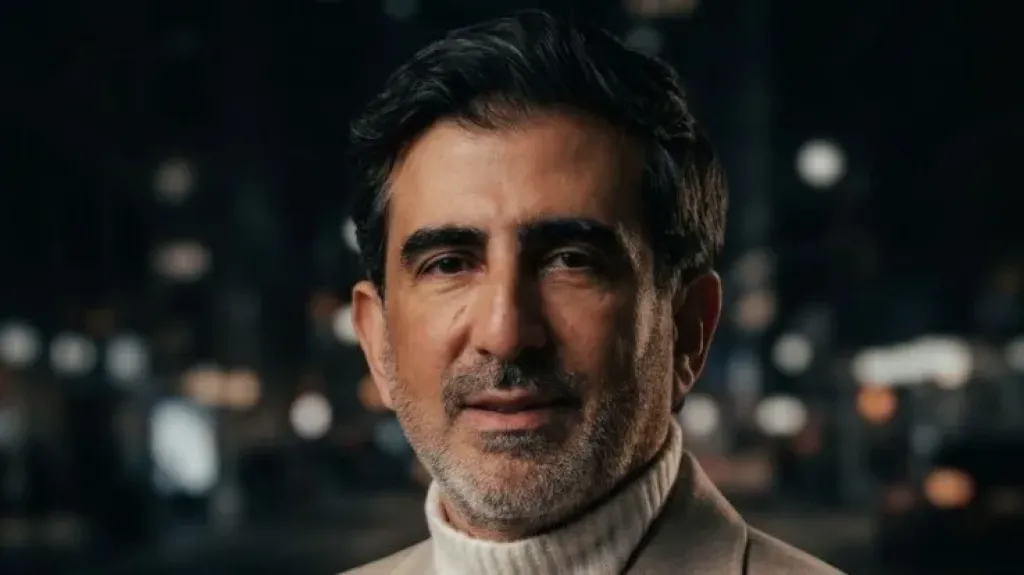
Investment strategist Samer Choucair said that the ability of global markets to absorb geopolitical shocks has become a critical factor in capital-allocation decisions, noting that historical experience reveals a significant gap between the initial severity of a shock on certain sectors and the ability of the broader economy and financial markets to regain their balance.
Choucair pointed to the aftermath of the September 11, 2001 attacks as a clear example. U.S. stock markets were closed for four days, while the suspension of air travel and financial disruptions delivered a major shock to the travel, aviation, and insurance industries. Swiss Re estimated insured losses related to the attacks at tens of billions of dollars, while the International Monetary Fund concluded that the direct impact on U.S. output was limited, equivalent to roughly 0.1% of monthly GDP in September.
Choucair said the most important lesson for investors in 2026 is not to attempt to predict every potential shock, but to build portfolios capable of withstanding them. This requires diversifying sources of returns, reducing dependence on supply chains vulnerable to geopolitical bottlenecks, and increasing exposure to assets linked to infrastructure, energy, cybersecurity, and the digital economy.
Geopolitical Risk Becomes a Structural Investment Factor
According to Choucair, today’s geopolitical shocks differ from those of previous decades because trade, energy, technology, and national security are increasingly interconnected. As a result, geopolitical risk has become a structural component of how companies and countries are valued rather than simply a temporary factor influencing asset prices.
“The successful institutional investor looks for companies with stable cash flows, pricing power, and operational resilience, rather than chasing short-term market movements driven by fear or speculation,” Choucair said.
He added that investors should focus on the underlying resilience of businesses, including their ability to maintain operations, protect margins, secure critical inputs, and adapt when geopolitical conditions change.
The Gulf’s Diversification Creates Greater Resilience
In the Gulf, Choucair believes economic diversification is giving some markets greater capacity to absorb external shocks.
In Saudi Arabia, non-oil activities accounted for approximately 55% of GDP in 2025, while growing by 4.9%. Choucair said this reflects a broader economic base and a growing number of independent drivers of growth.
He believes sectors including logistics, energy, mining, digital infrastructure, and artificial intelligence could benefit from the global reprioritization of investment, particularly as governments seek to strengthen supply security and reduce exposure to critical bottlenecks.
For institutional investors, this shift creates opportunities beyond traditional defensive assets. Infrastructure that supports energy security, digital connectivity, industrial production, and resilient supply chains could become increasingly important as governments and companies respond to a more fragmented global economy.
Resilience Becomes a Measure of Asset Quality
Choucair concluded that geopolitical shocks do more than expose market vulnerabilities—they also reveal the underlying quality and resilience of individual assets.
“Shocks do not only reveal the risks within markets; they also reveal the quality of assets and their ability to withstand disruption,” Choucair said.
He emphasized that the next phase of global investing is likely to reward capital that balances growth, resilience, and liquidity, while building portfolios capable of performing across multiple geopolitical and economic scenarios.