
Samer Choucair: Boeing-Archer Deal Redraws the Investment Map for Autonomous Aviation
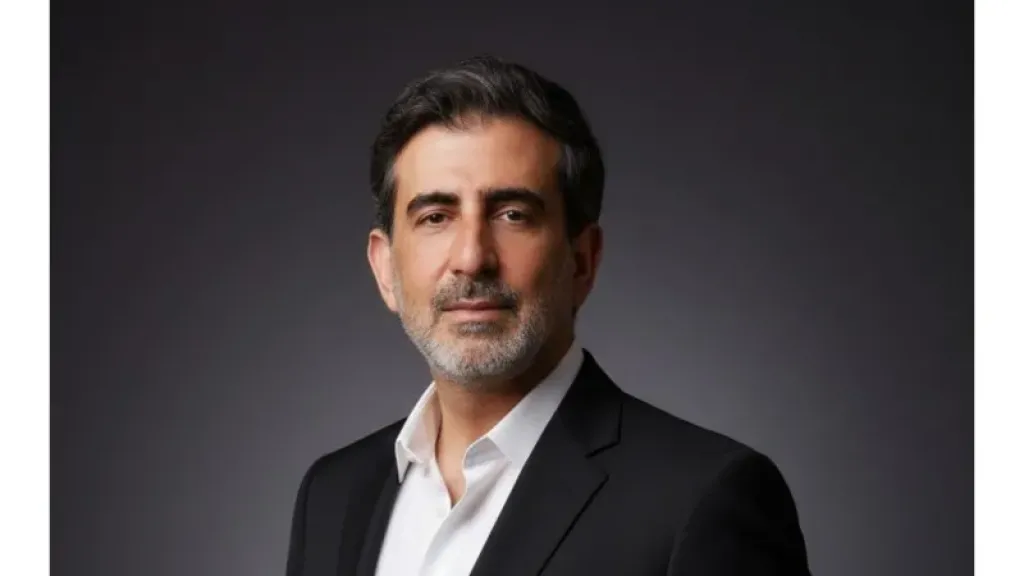
Investment strategist Samer Choucair said Archer Aviation’s acquisition of Boeing’s autonomous aviation and drone-focused units represents a structural shift in the advanced air mobility sector.
Choucair explained that Boeing has stepped back from directly developing a flying taxi in exchange for a strategic stake of approximately 20% in Archer, while retaining access to Wisk’s core technologies. The transaction is expected to close by the end of 2026.
He noted that the agreement gives Archer immediate revenue from profitable defense operations and accelerates its path toward commercial operations, while for Boeing it represents a capital reallocation focused on its core commercial and defense aircraft businesses.
Immediate Revenue vs. Future Bets
Samer Choucair explained that Archer shares rose by more than 18% in some sessions during the first days following the announcement, driven by the market’s assessment of the revenue added through defense unit Insitu.
Insitu generates more than $200 million annually and produces positive cash flow. Boeing shares, meanwhile, remained relatively stable, which, in Choucair’s view, indicated that the market interpreted the transaction as an example of disciplined capital allocation rather than a retreat from innovation.
He said the deal reflects a broader shift among major corporations away from bearing the full cost of development and regulatory certification toward maintaining exposure to emerging technologies through partnerships and equity stakes.
A Platform Combining Defense and Air Mobility
Samer Choucair noted that Archer now controls three complementary capabilities: Wisk’s autonomous aviation technology, SkyGrid’s air-traffic management systems, and Insitu’s military drone fleet.
In his view, this combination transforms the company from a business primarily dependent on future revenues into a platform combining current defense revenues with future advanced-air-mobility opportunities.
He added that Boeing retained access to autonomous-flight technologies for use in its current and future commercial and defense programs. Boeing also retained an option to purchase up to $200 million in additional Archer shares, along with a seat on the company’s board.
“Selective Exposure” in Institutional Capital
Choucair said the transaction demonstrates a form of capital discipline that is becoming increasingly important amid relatively high interest rates and continuing operational pressures.
The “selective exposure” model allows institutions to benefit from the growth of emerging sectors while preserving operational flexibility and avoiding heavy capital burdens on their balance sheets.
He explained that the electric vertical takeoff and landing, or eVTOL, aircraft market is expected to grow at compound annual rates exceeding 25% through the end of the decade, driven by advances in batteries, regulatory certification and demand for solutions to urban congestion.
However, certification by regulators such as the U.S. Federal Aviation Administration remains a major challenge.
The Gulf as a Testing Ground for Operations and Investment
Samer Choucair highlighted the deal’s additional significance in the Gulf, where Archer has established an advanced presence in the UAE through cooperation with the Abu Dhabi Investment Office to accelerate commercial operations of its Midnight aircraft and develop a network of vertiports.
He also pointed to Archer’s agreements with entities associated with the Saudi Public Investment Fund, including The Helicopter Company and Red Sea Global, to test and operate flying-taxi services at major tourism destinations.
According to Choucair, these initiatives align with Saudi Vision 2030, particularly its goals of economic diversification and development of innovation in logistics, tourism and smart infrastructure.
A New Model for Sovereign Asset Allocation
Samer Choucair said the flow of Gulf capital into autonomous aviation technologies reflects a deeper transformation in sovereign asset allocation.
Sovereign wealth funds and institutional investors are increasingly looking for assets that combine advanced technology with measurable revenues, particularly in areas such as civil defense and urban logistics.
He added that this trend could lead to more partnerships between Western aerospace companies and regional funds, benefiting from relatively faster regulatory environments and direct government support for pilot projects.
Strategic Opportunity and Risks
Choucair explained that the main challenges remain regulatory certification and market acceptance of fully autonomous operations, as well as the difficulty of integrating three different business units without dispersing resources.
Nevertheless, he believes the equity-based structure of the transaction reduces Archer’s cash burden while giving Boeing greater strategic exposure to the technology.
Samer Choucair concluded that the coming years could bring additional alliances between traditional aerospace giants and companies specializing in physical AI.
The real value, he argued, lies not simply in owning future technology, but in converting that technology into sustainable cash flows under disciplined capital governance—a model he sees the Boeing-Archer transaction beginning to establish for the wider sector.